
Table of Contents
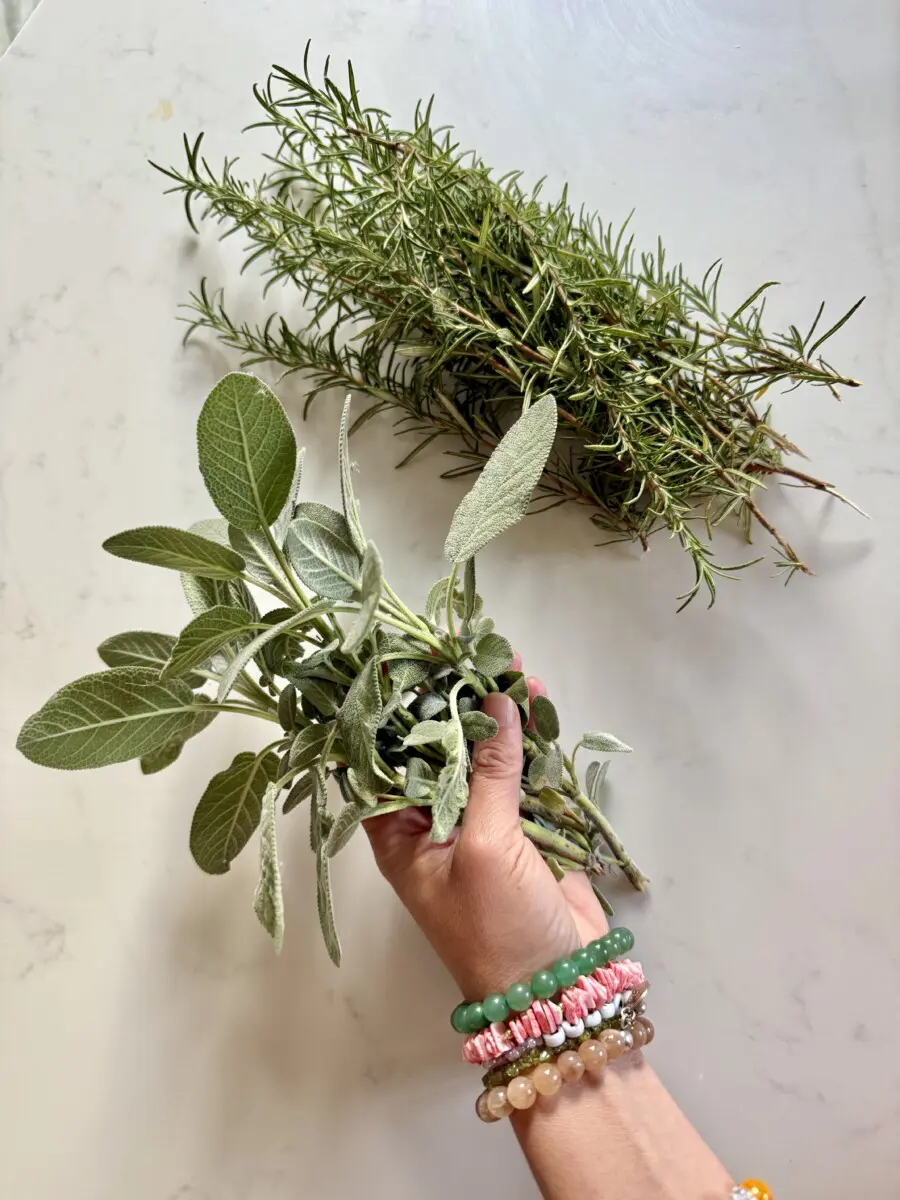
It’s the end of summer and I have just harvested some of my herbs from the herb garden to preserve for the winter. I have two methods I use, one of them is to use an ice cube tray and fill it with herbs and olive oil – and then just freeze it. These then become portions of a tablespoon of olive oil and packed herbs of sage, rosemary and thyme mostly. The other method is also very simple and we are going to talk about this one in this article. Drying herbs is as old practise to preserve them for the cold months as is cooking with fire. Thousands of years old, tried and tested method that works and not only that, but it will cost you no energy, so it’s the cheapest way. This way, you enjoy your own, home-grown, pesticide-free herbs at home anytime of the year. Learning how to dry and preserve herbs is a great way to save money, live sustainably and a rewarding way to use make your garden produce go longer.
Steps to Drying and Preserving Your Own Herbs
There are different harvesting methods depending on how you’d like to use or preserve your herbs. Follow these steps if you are planning to dry them by hanging them up.
Harvesting
I harvest my herbs before the rainy autumn season hits in the UK, because they start mulching and browning, in a less humid/wet climate it’s good to chop them before the first frost. Cut back perennial herbs and cut down all annual herbs before winter arrives. Having said this, you can cut some anytime in the dry summer season and start drying them batch by batch if you wish. Never take more than one-third at a time. (This is especially important for perennials.)
Drying
I use the hanging drying method, which is the most common and gives you the best success rate. This method is based on hanging the herbs that are harvested on the stem.
Herbs that can be harvested on the stem/spring:
- rosemary
- thyme
- parsley
- cilantro
- oregano
- sage
- tarragon
- mint
Step 1.
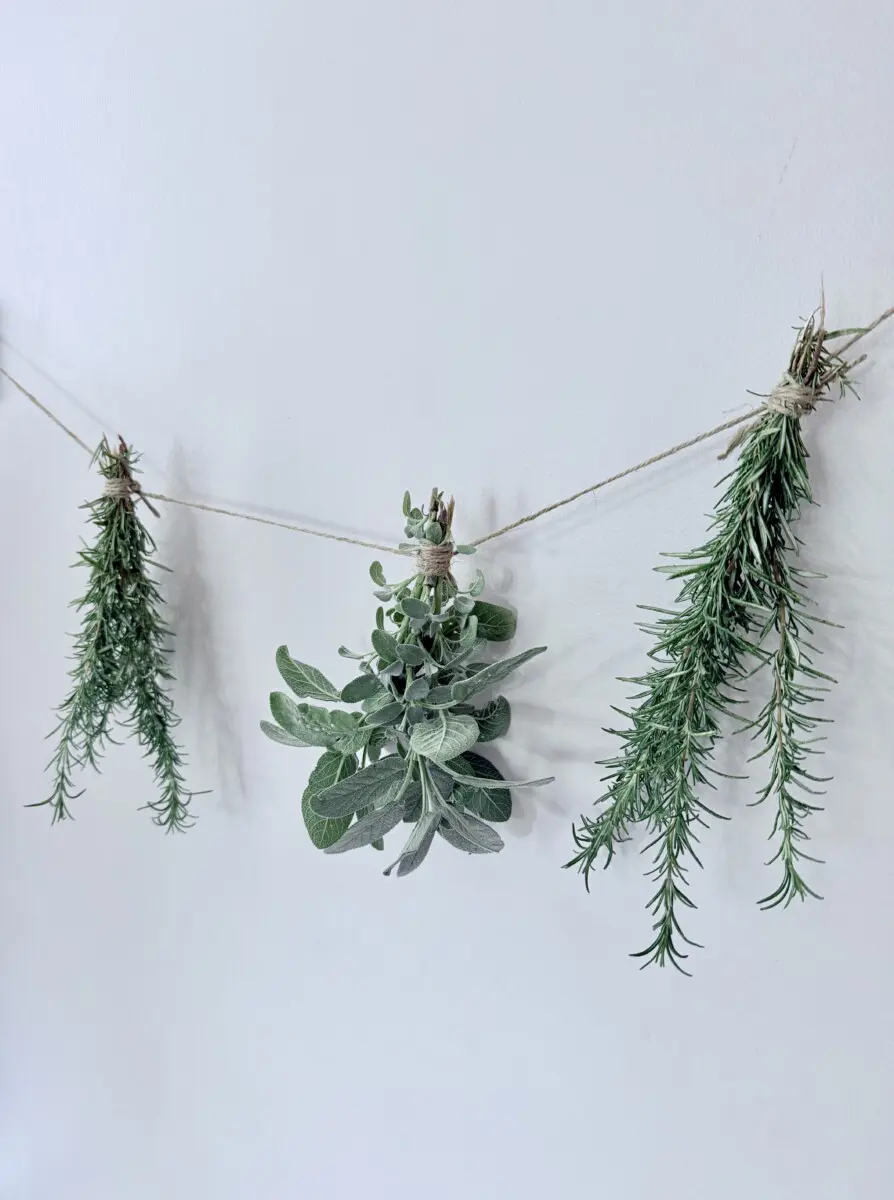
The the herb in small bunches, 3-5 springs per bunch and tie some twine around the base of the stems.
Step 2.
Hang the bunches of herbs in a dark, cool and dry room for a few weeks to dry. If you do not have a dark room available, try to protect them from direct light. It normally takes a few weeks, but this will vary depending on humidity level and temperature. Keep checking until they are fully dried.
Other drying methods
Some soft, leafy herbs like basil, cannot be dried on the stem/spring. They need to be picked by the leaves and let them dry by being laid out on paper.
Blast from the past that is a dehydrator – also a great option, although not free as it uses electricity.
Storing Dried Herbs
Airtight glass jars are the best to store dried herbs – depending on the quantity, you can choose different sizes. You can also just refill the store-bought dried herb jars. Herbs should be kept in a cool and dry location, away from the light.
How long will dried herbs keep?
Depending on the herb at least a year or even more but they never really go off once they are fully dried. If you discover any mold, just throw the batch away – unlikely to happen if they stored correctly. Dried herbs lose their flavour the longer they sit in storage.