
Table of Contents
This is a collaborative post.
Maximizing the energy efficiency of your home can cut costs and improve your quality of life. Simple upgrades will significantly reduce energy and water waste, making your home more comfortable and sustainable. Boosting your energy efficiency will likely have a positive impact on your health, too, as clean air filters and energy-efficient decor ensure that you can enjoy clean air and a comfortable living space year-round. Even the smallest things like swapping out lightbulbs and sealing drafts small changes can lead to noticeable savings over time.
Energy Efficiency: Cutting Down on Waste
Wasting energy is expensive, but making a few strategic upgrades can help lower costs and reduce a home’s environmental footprint. One of the most straightforward changes is switching to LED lighting. LED bulbs are far more efficient and durable than incandescent lights, and will save you plenty of cash over the course of a few years. Choosing energy-conscious design features, such as classic Victorian Fireplace Surrounds, can also improve both efficiency and style in the home.
Improving Energy Efficiency
Switching to modern refrigerators or washing machines and ENERGY STAR-rated appliances can save you hundreds of dollars a year. Eco-friendly, high-tech appliances are just as effective as traditional appliances, too.
Heating and cooling account for a large portion of household energy use. As such, improving insulation with airtight sealant and caulking cracks in old walls should be high on your priority list. Weatherstripping around doors and windows helps keep conditioned air inside, and adding insulation in attics and crawl spaces keeps temperatures consistent year-round.
Small decor changes can help, too. Certain decor adjustments contribute to better energy conservation, from using thicker curtains to selecting LED light bulbs.
Investing in window upgrades can further enhance energy efficiency. Double-glazed or triple-glazed windows help regulate indoor temperatures and window films or insulating blinds can provide an extra layer of protection against extreme temperatures.
Water Conservation: Reducing Usage Without Sacrificing Comfort
Water waste increases utility bills, but conservation doesn’t have to mean inconvenience. Installing low-flow showerheads and faucets can help you save water without undermining the performance of your taps. Many water-saving appliances, such as dishwashers and washing machines, use less water while maintaining high efficiency.
Leaks waste water quicker than bad habits or inefficient appliances. Fixing even small leaks prevents unnecessary waste and keeps water bills from creeping up. Dripping faucets and running toilets are easy to repair and can lead to significant savings over the course of a year.
For those interested in outdoor water conservation, rainwater collection systems provide an eco-friendly way to irrigate gardens and lawns. Greywater recycling—which involves reusing gently used water from sinks, showers, and washing machines—can further reduce household water waste.
In addition to rainwater collection, xeriscaping is another excellent way to reduce outdoor water use. Xeriscaping makes use of drought-resistant plants and efficient irrigation techniques, making it an ideal choice if you’re a green thumb living in a dry area.
Smart Upgrades: Tech That Saves Money and Energy
Technology plays a significant role in home efficiency. A smart thermostat is an easy way to start automating your home. It is also one of the most cost-effective investments, as it helps regulate heating and cooling for maximum efficiency. You can also set a daily schedule, meaning you can warm your house up on cold winter mornings without waking up to turn on the heating.
Many electronics continue to draw power even when turned off. This is called phantom energy use and may undermine your energy-saving habits. Smart power strips and timers cut electricity flow to devices when they are not in use. This prevents unnecessary power consumption without requiring homeowners to unplug everything manually.
Major Investments
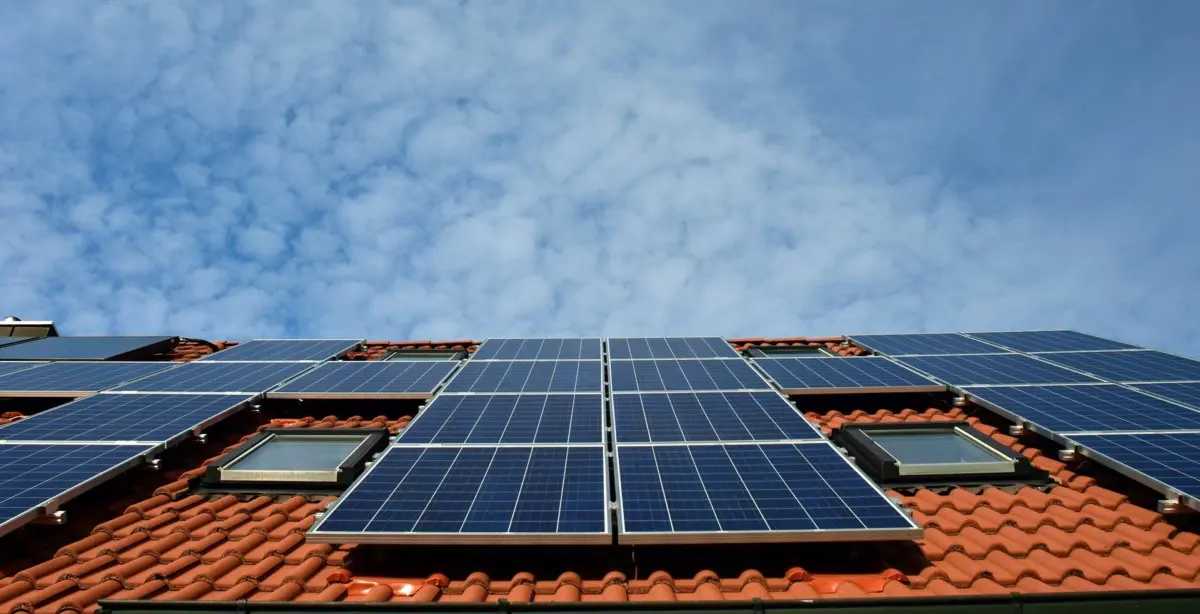
Long-term investments in tech like solar panels will pay dividends in the long run. Government-backed schemes make installing solar cheaper and PV panels are becoming increasingly effective. You can even sell your unused energy back to the grid, meaning you can start to claw back some of the cash you spend on energy.
Tools like automated lighting, security systems, and energy monitoring systems help homeowners track their energy use and adjust settings effortlessly to optimize efficiency. You don’t need to break the bank when buying smart fans or smart lights, but should treat the tech as a long-term investment.
Regularly changing your HVAC filter can also improve the efficiency of your AC unit. HVAC filters get clogged over time and ineffective filters are sure to raise your energy bill. You’ll need to change your filter more often if you smoke, have pets, or use your fireplace regularly. Switching up your filter can improve the quality of your air and make it easier to breathe at home, too.
Small Steps, Big Impact
Creating an energy-efficient home doesn’t require a complete overhaul. Small, manageable changes make a noticeable difference in utility costs and environmental impact. Replacing traditional bulbs with LEDs, sealing air leaks, and using smart thermostats are easy ways to start.
Adding simple habits to daily routines also contributes to efficiency. Turning off lights when leaving a room, running full loads in the dishwasher and washing machine, and setting water heaters to an optimal temperature all help reduce waste without significant changes.