
Table of Contents
If you live in the UK like me, have you noticed that some spice and herb blends – such as Herbs de Provence are just gone from the supermarkets? I don’t really know why, I’ve tried to look for reasons online as it’s really strange, that suddenly Herbs de Provence is nowhere to be found. Some news outlets mentioned possible allergen contamination, but I didn’t really find the reason. So, this was my prompt to make my own… And it turns out, it’s actually very simple, you probably have the all the dried herbs in your pantry anyway – so all you have to do is just mix them. Let’s do this!
What is Herbs de Provence?
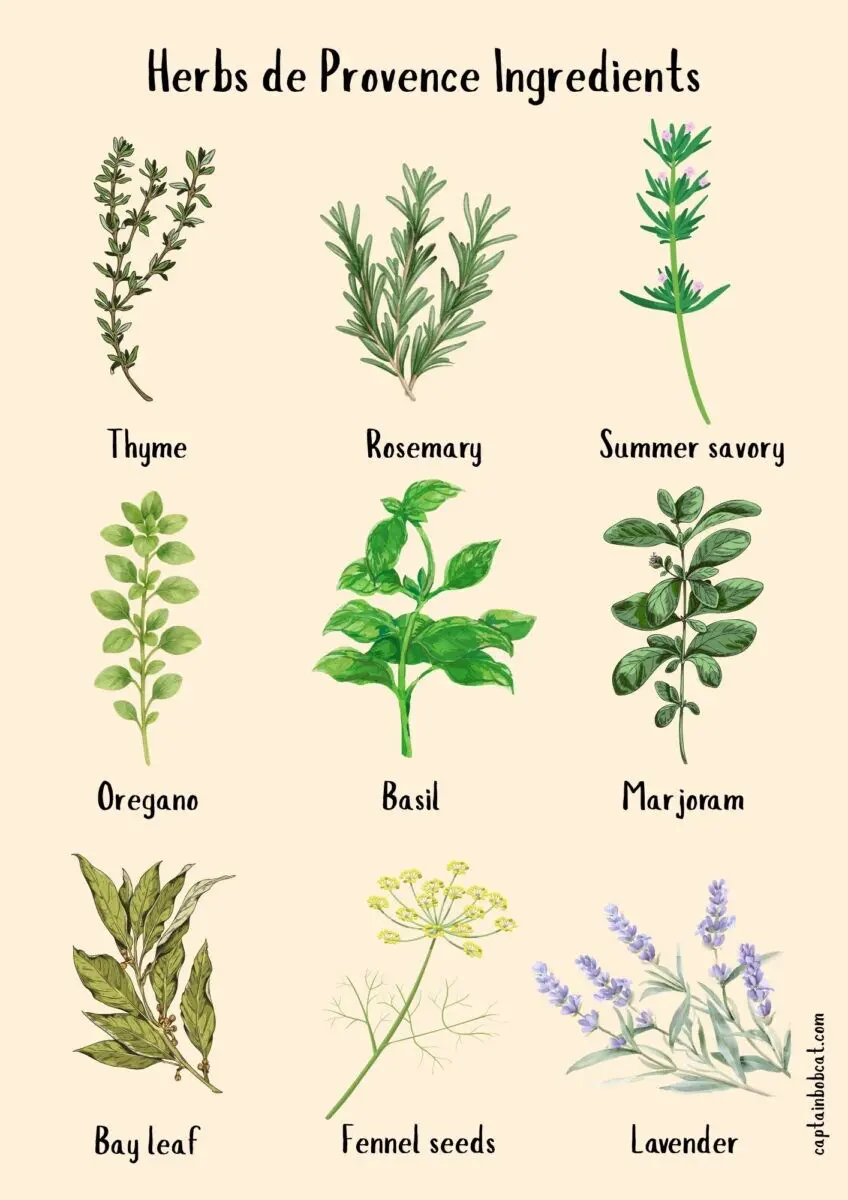
Herbs de Provence is a fragrant blend of dried herbs that grow in the Provence region in the south of France during the summer months. This mix is is well known all over the world, and a staple in many pantries, just like Italian mixed herbs, Ras el Hanout or all spice. There’s no agreed standard for this blend. A couple of herbs must be included like rosemary and thyme – but the rest changes from recipe to recipe. It’s not even anything “traditional”, it was commercially created in the 70’s and has no protected geographical status (like Champagne) or other legal definition. Don’t let busy bees tell you otherwise!
What is Herbs de Provence Used in?
Herbs de Provence is incredibly versatile and can be used in a range of culinary applications. I use it a lot, like really, a LOT. In marinades, in stews, in risottos, anything meat for the lads to chuck on the BBQ, season my vegetarian mains, grilled vegetables, even in soups – there are so many dishes Herb de Provence can be added to. It really is an excellent all round herb blend.
What Are the Basic Proportions for Herbs de Provence?
Like I said, there is no real benchmark or standard what it NEEDS to contain and what can be substituted. Obviously, you can vary the proportions and substitute a herb or two according to you taste and what you have. As a general thumb of rule, you can use this breakdown below, as a base:
- 20% thyme
- 20% rosemary
- 20% summer savory
- 10% oregano
- 10% basil
- 10% marjoram
- 10% crumbled dried bay leaves
How to Make Herbs de Provence – the Method
- Make sure all the herbs are fully dried before mixing. (Air drying works for all of these)
- Lightly crush them with a mortar and pestle if they are too coarse.
- Combine all ingredients in a mixing bowl and put them in an airtight jars or containers. Store in a cool, dark cupboard.
- Shake before use to redistribute.
Let’s See All the Herbs That Could Be Used in Herbs de Provance
Like I mentioned (keep repeating myself about this, aren’t I?), there is no definite recipe and one size fits all when it comes to Herb de Provence. There are other herbs that can be also used and/or swapped.
Thyme
This herb is the backbone of Herbs de Provence. With its earthy, slightly minty flavor, thyme complements a variety of dishes.
Rosemary
Known for its strong, distinctive flavor, rosemary adds a robust and pine-like aroma to the mixture. It pairs particularly well with grilled meats and roasted vegetables.
Summer savory
Or sarriette in French is not an often used culinary herb, in fact, it’s quite underrated. It’s a Mediterranean herb with delicate, anise-like aroma which makes it versatile: used in both savory and sweet dishes.
Oregano
This herb contributes a warm, slightly bitter flavor. Its presence in Herbs de Provence bridges the gap between sweet and savory.
Basil
Offering a fresh, sweet aroma, basil lightens the blend. It is often associated with Mediterranean cuisine, providing a bright note that balances the earthiness of the other herbs.
Marjoram
Similar to oregano but sweeter and milder, marjoram rounds out the flavor of Herbs de Provence. Its softer notes make it perfect for delicate dishes such as fish and poultry.
Fennel seeds
Fennel seeds’ aroma is both sweet and savory, with a slight hint of licorice spice and citrus. Fennel seeds come from the flowers of the fennel plant.
Tarragon
Tarragon has a pleasant fragrance of mint and vanilla. But, just one bite will reveal its sweet but peppery aroma, with a little bit of licorice like fennel but more potent.
Bay leaves
When we say bay leaves, we are talking about the culinary, typical spice that is Bay Laurel or European Bay (Laurus nobilis). They have a very “herby” fragrance with slightly floral notes. The bay leaf’s purpose is to add flavor but mainly to deepen existing flavor.
Sage
With a slightly peppery and musky aroma, sage adds depth to the mixture. Its strong flavor means it should be used sparingly to avoid overpowering the dish.
Marjoram
Similar to oregano but sweeter and milder, marjoram rounds out the flavor of Herbs de Provence. Its softer notes make it perfect for delicate dishes such as fish and poultry.
Lavender
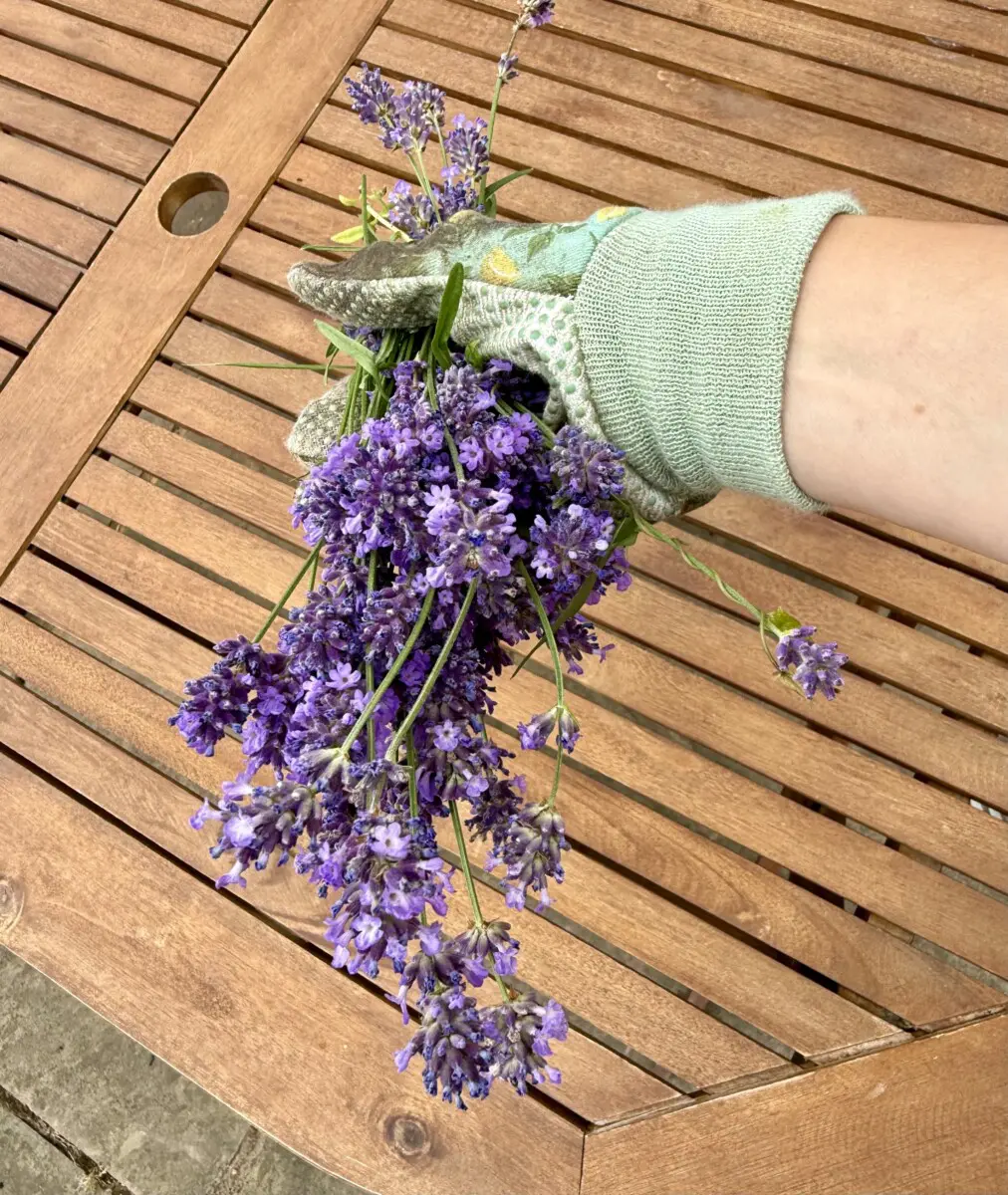
Not exactly a staple within the Herbs de Provence mixture, however, but some people swear on adding lavender, because it provides a floral touch. And well, it’s a French thing to do. While its inclusion may be less common, some says it’s needed to capture the essence of Provence.
Storing Herb de Provence
When storing Herbs de Provence, it’s best to keep it in an airtight container, away from direct sunlight, to preserve its flavor and aroma. Using fresh herbs when possible is also recommended (by that I mean freshly dried).
Drying Your Own Herbs de Provence Blend
This is very much possible if you plant them in your herb garden – you can air dry each of the ingredient herbs (or alternatively use a dehydrator, but to be honest, air drying is a lot easier if you have the space and it requires no energy used.