
Table of Contents
This is a collaborative post.
When considering the structural integrity and overall well-being of a home, water leaks stand as one of the primary culprits that can trigger dire problems. A minor leak might initially present as an inconsequential issue. However, failing to address the leak promptly can lead to significant damage that demands costly repairs. For this reason, the importance of identifying water leaks early cannot be overstated.
Frequent locations of water leaks within average homes span from plumbing mishaps with pipes or faucets to seeping from appliances and even structural deficiencies. Presented in this comprehensive exposition is a critical discussion on the identification of potential water leaks early. These areas include analysis of the common signs of water leaks, pointers on inspecting plumbing fixtures and fittings, advice on checking the potential leak spots in appliances, and tips on preventing future leakage incidents.
Common Signs of Water Leaks in Your Home
Identifying a water leak early within your home can be the saving grace that prevents extensive damage, which could translate to unsightly repair expenses. After all, drastic issues often start with small signs. Consider setting aside time to examine your home thoroughly – these careful observations can save you invaluable time, effort, and money and maintain the aesthetic appeal of your home.
Rising water bills
Are a blatant red flag that all might not be well within your home. If water charges are increasing drastically without any evident increase in your water usage, it’s wise to conduct a comprehensive check-up of your water system.
Physical signs like damp
Are also quite reliable in signalling hidden water leaks in your home. Generally, damp patches on your walls, ceilings, or floors can point to water leaks. Such areas may look discoloured, ill-shaped, sagging, or soft to the touch, and might even peel away. Walls may also bulge or bubble up due to water retention within.
Unpleasant smells
Supporting the physical signs are unusually persistent foul, musty odours. Mould and mildew have unique musty smells that can help you identify water leaks, particularly in hidden sections of your home. These organisms thrive in damp, dark environments, and their existence is a clear indicator of persistently wet areas.
Hearing the sound of running water
When every water source is turned off serves as a clear warning of a potential leak. The sounds are generally because water is not reaching its intended outlet, indicating a disruption in your plumbing system.
Inspecting Plumbing Fixtures and Fittings
Many homeowners might be surprised by how much water they can save by thoroughly inspecting and fixing their plumbing fixtures and fittings. The process is simple yet can save you a considerable amount of time, effort, and resources.
A fundamental step is to assess visible pipes for indications of cracks, rust and general wear. This includes outdoor hose bibs and indoor pipes connecting to appliances. Over time, metal pipes are susceptible to rust, and plastic pipes are inclined to degrade, leading to potential leaks. Without a doubt, neglecting minor problems can culminate in significant issues that could disrupt your facility operations.
Observing the areas beneath your sink, around toilets, and bathtubs is equally crucial. Constantly dampened sites, drippings, puddles, or unusual mould formations pave the way for diligent investigations for potential leaks. Disaster tends to strike most unexpectedly, hence frequent inspection of these often-disregarded spaces is essential in leak-protection.
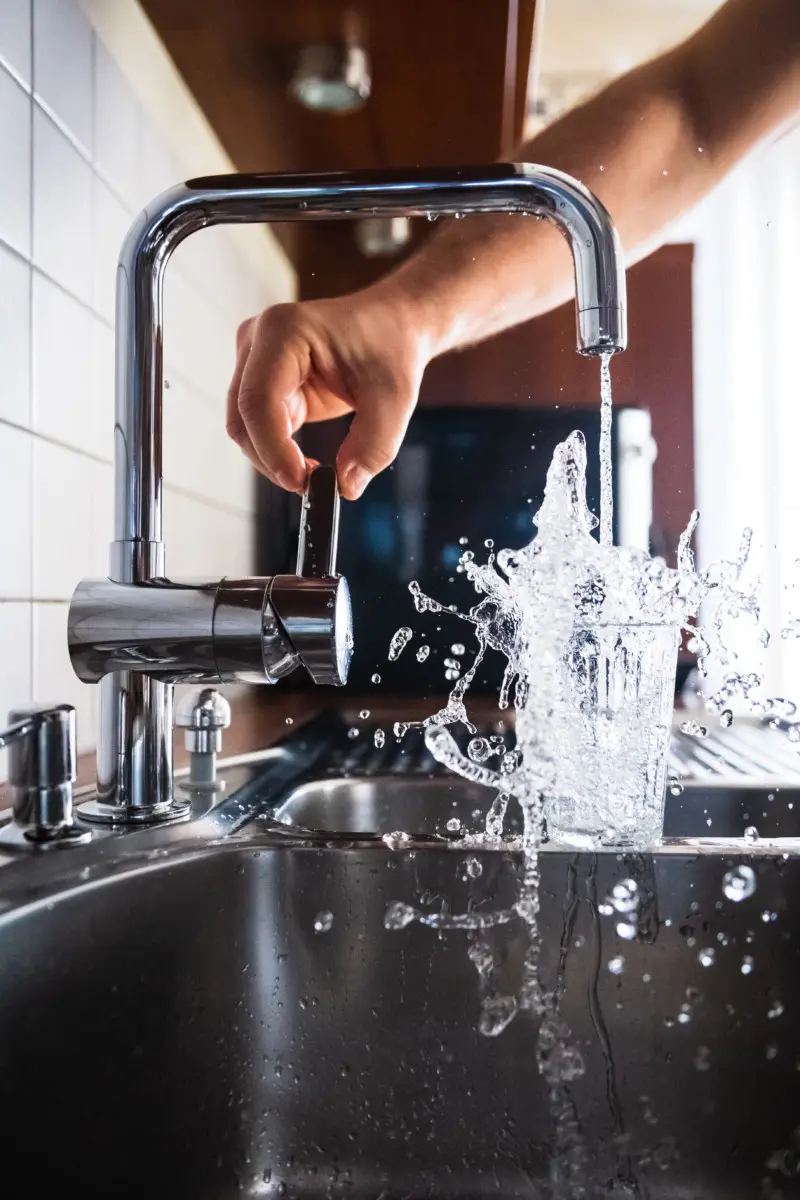
Performing tests on your household’s brilliant invention, faucets, is a practical idea. A dripping faucet, no matter how minute the drip is, signals there’s room for improvement with your plumbing fittings. Attend promptly to any fixtures producing any sound of dripping when closed, to avoid the damage an unchecked leak could lead to.
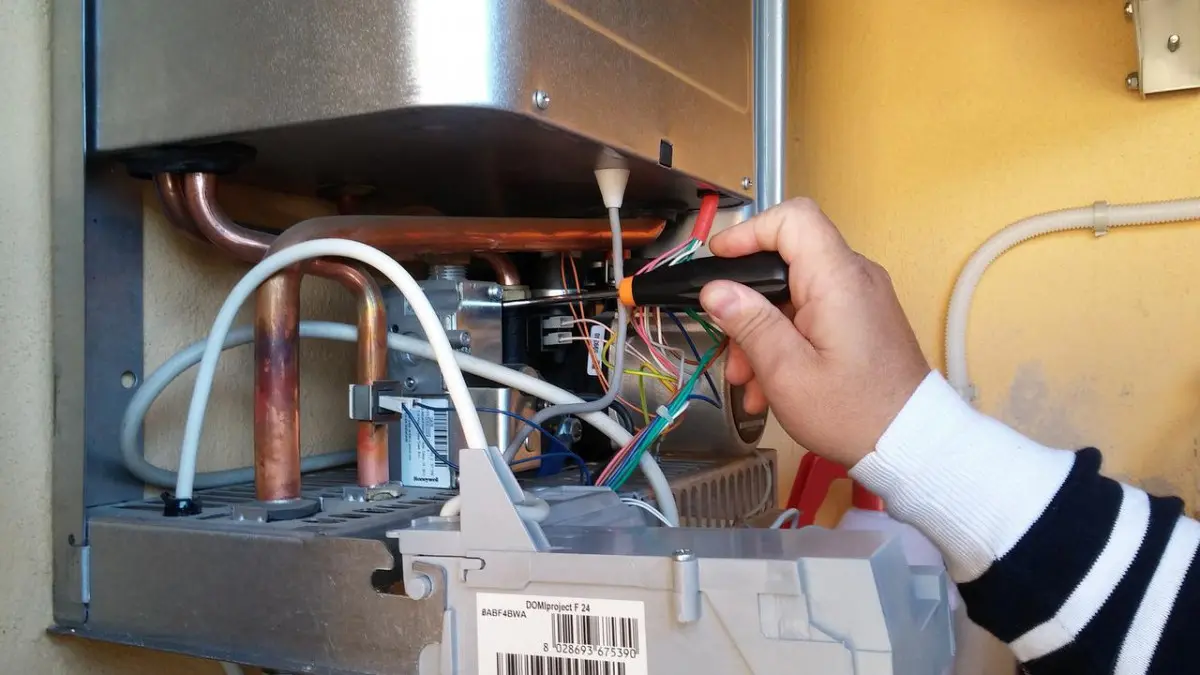
Water heaters often serve as a reliable source of leaks. Pay special attention to the connections of your water heaters and look out for signs of rust formation and occasional water poolings.
Checking Water Appliances for Leaks
Household appliances such as dishwashers, washing machines, and refrigerators, while incredibly useful, can often be the source of accidental water leaks. Familiarising yourself with these common causes of appliance leaks can help mitigate potential damage.
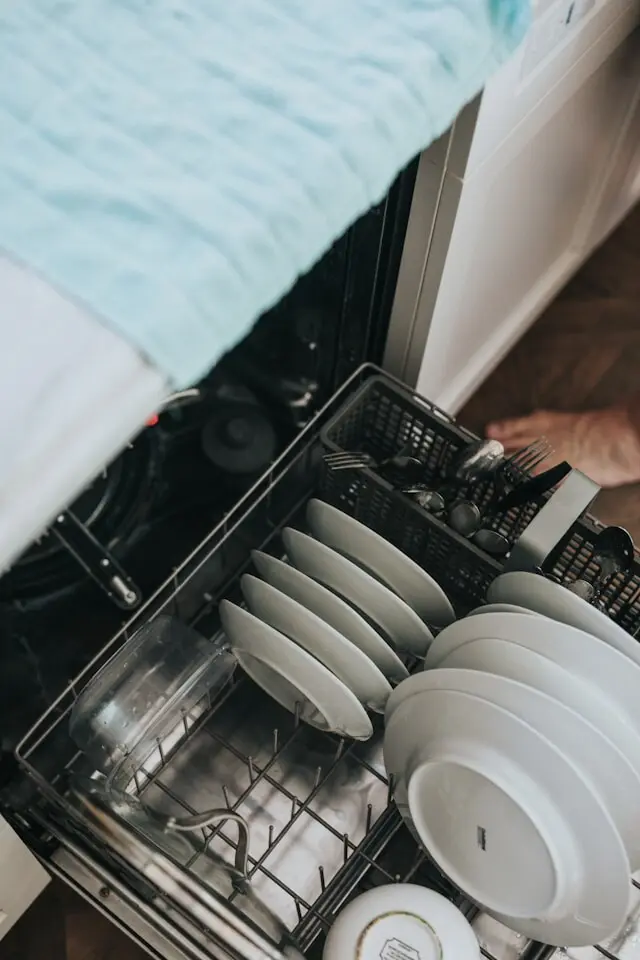
Dishwashers and washing machines are frequently connected to the water supply system in homes. Without a hint, they can produce significant leaks when functioning or after their operation. Be keen to check frequently under these appliances for any signs of water. Do not neglect to ensure they’re balanced to facilitate overflow prevention.
Close inspection of the connecting hoses and seals is an effective approach. Allowing regular usage to take a toll on them can lead to leaks, hence be proactive to replace any components that look weary or deteriorated.
In circumstances where you’re unable to identify the cause of the leak even after a thorough examination of your appliances, seeking professional help can save you from further frustrations. Professional appliance inspection or repair technicians can isolate the leak quickly, offer invaluable guidance on prevention techniques and provide solutions to avert future leaks.
Detecting Hidden Water Leaks
Detecting hidden water leaks requires an extra dose of diligence, but it’s essential to identify these leaks before resulting in any considerable damage. Techniques for identifying these leaks vary, but they are all aimed at guaranteeing the peace of mind for every homeowner.
You can start by listening for unusual sounds, like dripping or running water, when your home is quietest. Observing the position and existence of your stucco, a change can indicate water is streaming in places it’s not expected.
Water leak detectors and moisture meters are also effective tools for detecting unseen issues. These handheld devices provide readings that measure humidity in specific areas, which might indicate an underlying leak.
Indirect signs of hidden leaks lie in the reduced water pressure. If you notice a significant decrease in the strength of the water flow from your taps, it’s a clear indication that water might be diverted somewhere unintentionally in your household plumbing system.
Thermal cameras present a non-invasive method to detect hidden leaks. They spot the temperature difference in your walls, floor or ceilings, serving as a decipherable clue that you might have a water problem to address.
Prevention and Maintenance Tips
Implementing preventive measures and maintaining your entire water system are crucial elements in safeguarding your home from water damage. A vital step in this direction is working with a regular maintenance schedule that aligns with seasonal changes and the overall usage of your water supply system.
Installing leak detection systems and alarms adds another defensive layer against potential water leaks. They deliver the double benefit of alerting you in a timely manner about potential leaks to prevent severe damage and offering a sense of security.
Always remember that seasonal changes can significantly influence the functionality of your plumbing system. Therefore, adjusting your preventive measures to align with these seasonal changes can considerably reduce potential leaks.
Additionally, scheduling annual inspections with a professional plumber guarantees the maximum potential and lifespan for your plumbing. They can detect looming issues from an expert’s angle, sparing you from a would-be water crisis.
Staying Ahead of Water Damage
Catching leaks early isn’t about being paranoid—it’s about being prepared. A few regular checks and an awareness of warning signs can go a long way toward protecting your home’s structure and value.
From monitoring water bills and listening for unusual sounds to inspecting appliances and plumbing fixtures, learning how to spot leaks early empowers homeowners to take control of their home maintenance. When combined with smart tools and professional support, these habits help prevent small issues from becoming major disruptions.
Every home is different, and so is every homeowner’s experience. Sharing tips and lessons learned helps build a more informed, proactive community—one where water damage is the exception, not the rule. By taking the time to check for leaks at home, you’re investing in a safer, healthier, and more resilient living space for years to come.