
Table of Contents
This is a collaborative post.
Regular maintenance of home appliances is important and it can mean the difference between smooth operation and frequent bouts of frustration. Dishwashers, being one of the most frequently used appliances in many households, are no exception to this tenet. One of the components of a dishwasher’s ongoing efficiency and longevity is the often-overlooked dishwasher filter, a tiny piece of the machine that works tirelessly to ensure your dishes are perfectly clean and sanitised.
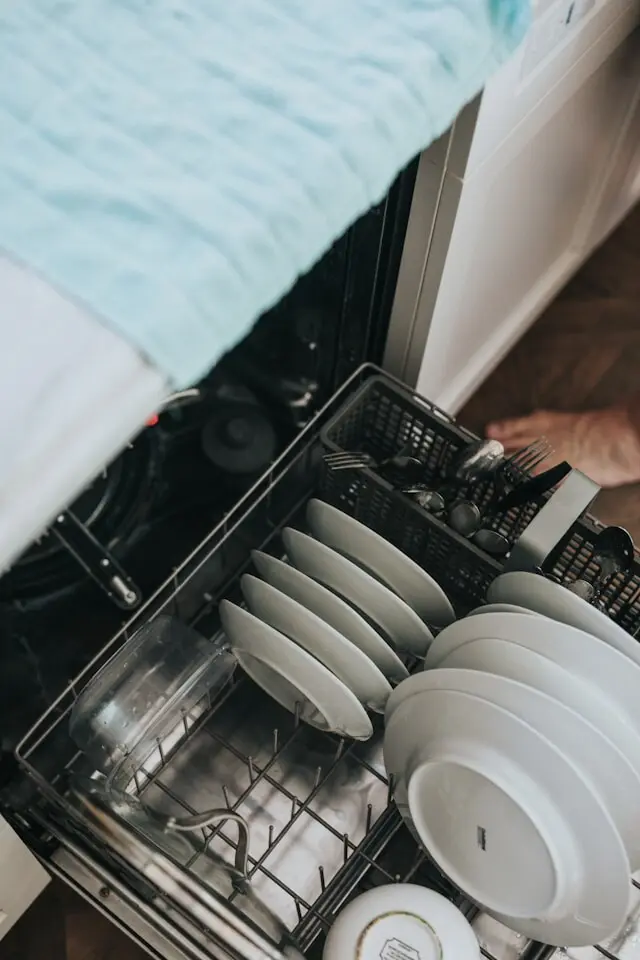
Why Is It Important to Clean the Dishwasher Filter Regularly?
A clean filter plays can accentuate a household’s capability to preserve its dishwasher for longer periods. A clean filter prevents debris, food particles, and grime from building up inside the appliance – attributes that contribute significantly towards maintaining its performance peak and ensuring an uncompromising level of cleanliness for your dishes.
The most noticeable benefit is efficiency – a choked or blocked filter curbs a dishwasher’s ability to clean properly. The second is the pleasing sight of cleaner, sparkly dishes – after all, none of us wishes to be greeted by residual food particles or spots on our dishes after a wash cycle.
When should you consider cleaning the dishwasher filter?
Often, the signs are quite discernible – dishes do not seem as clean as they used to, and there is an omnipresent, unpleasant odour emanating from the dishwasher that simply does not seem to dissipate.
How The Dishwasher Filter Works
A dishwasher filter exists to serve a straightforward but crucial function – it catches and holds back food particles, grease, and debris that could otherwise end up back on your dishes or, even worse, lead to clogged plumbing. There are primarily two types of dishwasher filters – manual and self-cleaning, each with its unique attributes.
Manual filters can be found in more contemporary dishwasher models. They need to be cleaned manually (hence the moniker), and are preferred due to their efficiency in trapping debris and particles. By contrast, self-cleaning filters, encountered predominantly in older models, necessitate less frequent cleaning because they dispose of residual food debris via a grinding process.
The filter is usually located at the dishwasher’s base inside the tub. The location can differ marginally, depending on the particular model of the dishwasher. Accessing it may sometimes warrant the removal of the bottom dish rack. A clogged filter can cause an array of issues about the dishwasher’s performance, resulting in unclean dishes after a wash cycle or triggering unusual smells that can permeate your kitchen.
Preparing to Clean Your Dishwasher Filter
Your safety is paramount as you prepare to clean the dishwasher filter. First, ensure the dishwasher is unplugged or disconnected from the power source. This precautionary step significantly reduces any risk of electrical accidents. If possible, turning off the water supply is also prudent to prevent potential water leaks during the cleaning process.
Gathering your cleaning arsenal in advance can expedite the process and make it much easier. It is recommended that you have rubber gloves to safeguard your hands, a soft brush to clean the filter, a bowl of hot, soapy water for soaking the filter, a mildly abrasive detergent to cleanse thoroughly, and a cloth to dry the filter later.
Your dishwasher’s user manual can be an invaluable guide, providing specific instructions on how to remove and clean the filter based on your precise model. How often should a filter be cleaned? As a rule of thumb, the dishwasher filter should be inspected and cleaned after every 1-3 months, though the frequency increases for households where dishwashers see heavy usage.
Step-by-Step: How to Remove and Clean the Filter
Once you’re armed with the right tools and have the safety measures in place, you’re ready to begin the filter-cleaning process, outlined step-by-step below:
1) Disconnection
Double-check to ascertain that the dishwasher is completely disconnected from the power source and water supply before beginning the cleaning process.
2) Reach the Filter
You’ll need to remove the lower dish rack to have unimpeded access to the dishwasher filter, usually positioned beneath the spray arm.
3) Extraction
How you withdraw the filter will depend on the dishwasher model – some models will require a slight twist, others might necessitate a gentle pull. Be aware of any locks or clips that might hold the filter in place.
4) Initial Cleaning
Rinse the filter under a running tap – lukewarm water should suffice – dislodging any loosely cluttered debris or grime.
5) Intensive Cleaning
Submerge the filter in a bowl of warm water mixed with mild detergent. Allow it to soak for about 10-15 minutes, then use the soft brush to lightly scrub the filter. It’s imperative not to use abrasive cleaning materials that might inadvertently cause damage to the filter.
6) Inspect and Assess
Closely examine the filter for any signs of considerable wear or damage, post-cleaning. If any damage, such as cracks or breakage are visible that may affect its performance, it’s advisable to consider a replacement filter.
7) Dry and Reinstall
To conclude, thoroughly dry the filter using the cloth to ensure no residual moisture persists that could potentially affect the dishwasher. Once entirely dried, place it securely in its original position, ensuring that any locking mechanism is firmly reinstated.
Maintaining a Clean Dishwasher Filter: Tips and Tricks
To maintain a clean filter consistently, implementing a few simple preventive measures can provide enduring benefits:
- Pre-washing: Rinse your dishes lightly before loading them into the dishwasher, minimising the amount of residual food that germinates inside the dishwasher.
- Particle Removal: Scrape off sizeable food particles from the dishes before loading them, reducing the amount of chunky debris that could clog the filter.
- Cleanser Usage: Every once in a while, use dishwasher-safe cleaning agents or a homemade solution like vinegar and baking soda for an internal clean-up of your appliance.
- Routine Maintenance: Make it a habit to regularly examine and, as required, clean the dishwasher filter. Ideally, filter cleaning should dovetail with a monthly or bi-monthly maintenance schedule, tweaking as necessary based on the frequency of dishwasher usage.
Troubleshooting Common Dishwasher Issues Related to the Filter
Common issues cropping up in a dishwasher might well be a flag indicating a dirty or improperly installed filter. Identifying and resolving these can prevent degradation of the dishwasher’s performance.
Unsatisfactory cleaning
If dishes are persistently emerging unclean after a wash, the filter might be the root cause, being clogged with accumulating debris. Address this by cleaning the filter meticulously.
Persistent odour
Lingering smells could suggest trapped debris in the filter, necessitating an inspection and deep cleaning of the filter. Consider running a wash cycle with just a cleaning agent or vinegar inside the empty dishwasher, which often helps eliminate the unpleasant smell.
Drainage Issues
Fastidious attention needs to be paid if the dishwasher isn’t draining the water efficiently, a prime sign of a clogged filter. Examine the filter, clean it if needed, and check to ensure it’s correctly seated in position.
For issues that don’t become resolved despite diligent filter cleaning, it may be time to call upon professional help. A thorough evaluation by a professional could pinpoint hidden problems that might escape a layman’s radar but could lead to expensive repairs if left untreated.
Keeping Your Dishwasher Running at Its Best
As you can see, the filter is a vital part of a dishwasher’s anatomy that requires regular attention to ensure the appliance consistently performs at its best. Responsible for trapping and holding back debris and food particles, a clean filter is essential for efficient washing cycles and ultimately sparkling clean dishes.