
Table of Contents
This is a collaborative post.
Energy. It’s everywhere and nowhere. Or at least that’s how it seems as we move from retail floors littered with colorful products to tech-filled offices humming with innovation. Two different worlds collide in their energy demands, yet connected in their need to keep the lights on—literally and metaphorically.

Retail Sector: Show Me the Lights and the Sales
The retail industry is one gigantic light show. Walk into any store, and you’re bombarded with fluorescent bulbs, neon signs, and alluring displays. Lighting isn’t just functional; it’s strategic. Bright lights highlight products, encouraging spontaneous buys and making everything look just a little bit shinier.
Then comes the HVAC system. Keeping customers and employees comfortable is a must, but air conditioning doesn’t come cheap. Retail giants shell out big bucks just to keep that sweet spot temperature.
But let’s not forget those lovely electronic beeps and pings. From autonomous checkouts to digital signage, electricity flows constantly, turning receipts from infinite lines of code into tangible proof of purchase. Yet, this demand leads to another kind of receipt—a hefty electricity bill.
Amid this energy consumption, retailers are also keenly exploring avenues to reduce commercial electricity rates effectively. By securing better rates, they can allocate resources efficiently, making room for further innovation and sustainability efforts.
Behind the scenes, retailers are adopting technologies like energy management systems to actively monitor and reduce their consumption. By examining patterns in energy use, stores can identify wastage points and implement corrective measures. The change towards digitized inventory systems also symbolizes a move toward reducing redundancy and conserving energy.
Tech Sector: Living on a Wire
Ask anyone in the tech industry if they could survive without energy, and they’d probably scoff. Energy powers everything—servers, cloud infrastructure, endless networks of interconnected systems. It keeps our beloved gadgets alive, and without it, the tech industry would crumble into dust faster than you can say “power outage.”
This sector doesn’t just want energy; it demands it. Data centers consume staggering amounts, not just to run servers but to cool them too. And here’s where it gets interesting: tech companies are obsessed with green energy. They don’t just want to consume power—they want to transform how they use it.
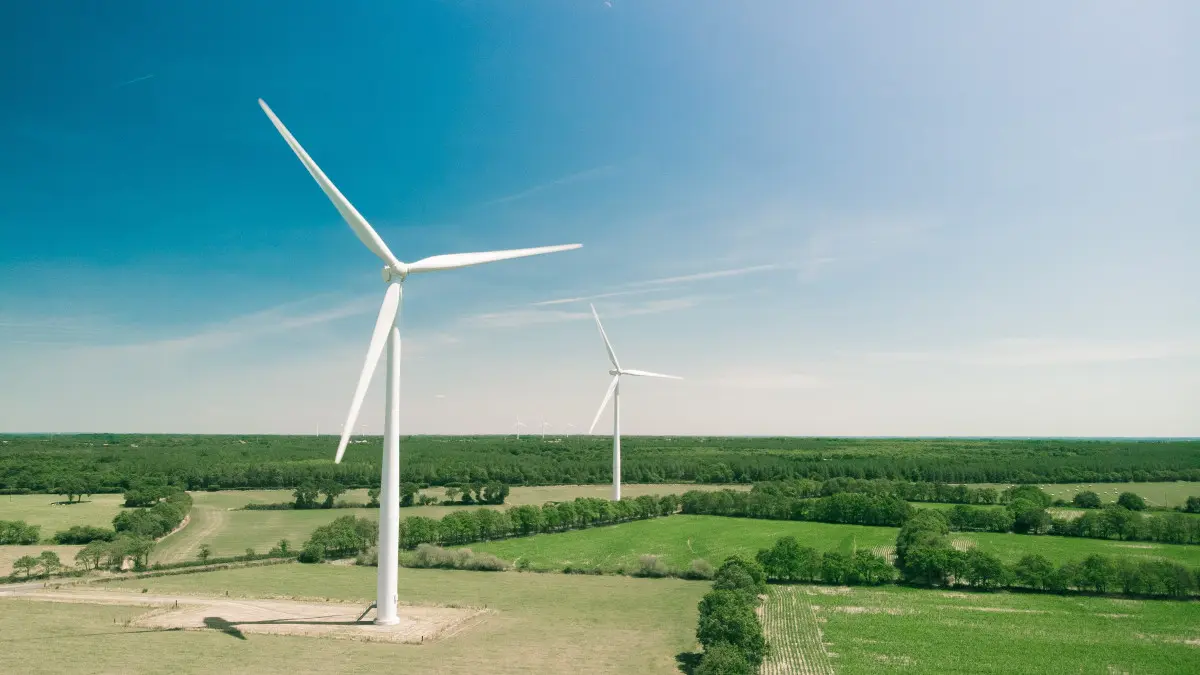
We’re witnessing a change where companies are committing billions to renewable sources. Solar panels and wind turbines aren’t just for off-the-grid hippies anymore; they’re the tech giants’ new best friends.
Moreover, the tech industry is investing in energy-efficient processors and devices that minimize power usage while maximizing output. This focus on hardware innovation is complemented by software solutions that optimize application processes to be as energy-efficient as possible. By prioritizing resource conservation, tech firms aim to maintain their growth while being conscientious of their environmental impact.
Energy Needs, Energy Solutions
Clearly, both the retail and tech sectors bear the burden of heavy energy demands. But how do they plan to keep up with their power-guzzling habits? The answer’s simple: innovation.
Retail companies are investing in energy-efficient lighting systems and smart thermostats. Motion sensors stop those never-ending light displays, and LED lights conserve power without sacrificing flair.
The tech industry is no slouch in this department either. Empowered by innovation, tech companies are popping up with their own unique energy solutions. Whether it’s hosting data on renewable sources or creating solar-powered campuses, organizations are determined to have their (eco-friendly) cake and eat it too.
Collaboration between these sectors holds promise. Retailers seek technological solutions to make their operations more sustainable, while tech companies work on creating products and systems that are ever more energy-conscious. Joint ventures and partnerships demonstrate how these industries can learn from each other’s strengths, fostering a shared vision for efficient and responsible energy use.
The Future is Bright and Charged
Being human is deeply entangled with energy use. As technology shapes how we live and work, it’ll be retail and tech that stand at the forefront. And it makes sense; these sectors excel at dreaming big and redefining norms.
But there’s more to this dream. It’s about creating a future where energy use is sustainable and ethically sound. The tech and retail industries might have different needs, but their energy aspirations are aligned more closely than ever before.
Sure, it’s complicated. But if these sectors can reduce their footprint while continuing to power progress, they might just light the way for us all.
Energy—treated with respect and innovation—holds the power to alter industries and lives. Ultimately, it’s not just about usage but about the decisions making every kilowatt count.
The journey toward sustainable energy use is ongoing, and both sectors are aware of the urgency. Retail requires an energy-efficient supply chain, whereas tech companies need to build more sustainable data centers. While the solutions may differ, the end goal remains the same: a planet-friendly operation that still meets the robust needs of consumers and creators alike.