
Table of Contents
This is a collaborative post.
Your power bill arrives. You open it, check the total and think, “That seems about right.”
There is no nasty shock. The amount looks similar to the last bill. So, you pay it and move on.
But the dollar amount does not always tell the full story.
Your bill might look normal while your home is still using more electricity than it needs. The useful number to look at is not only what you paid. It is how much electricity your household actually used.
A Normal Bill Does Not Always Mean Normal Usage
It is easy to judge a power bill by its final cost. After all, that is the number coming out of your bank account.
But electricity prices can change. Your plan can change. Discounts can come and go. Different homes also use electricity in very different ways.
This means two households could receive similar bills while using quite different amounts of power.
For example, a small household with one or two people may have very different needs from a family of five. A unit may also use electricity differently from a large detached home.
That is why the total cost on its own is not always a useful measure of whether your home is using electricity efficiently.
Look at How Much Power You Actually Use
Your electricity bill should show how much energy you used during the billing period. This is usually measured in kilowatt-hours, or kWh.
You do not need to become an energy expert. The important thing is to start noticing your own pattern.
Look back over several bills and ask:
- Is our electricity use going up?
- Are we using more than we did at the same time last year?
- Has our household size changed?
- Have we added any new appliances?
- Are we using heating or cooling more often?
- Does the increase make sense for the way we live?
One bill gives you a snapshot. Several bills can show you a pattern.
Your Household Size Matters
A home with more people will usually use more power. There are more showers, more washing, more cooking and more devices being charged.
But household size is only part of the picture.
Two families of four can have very different electricity use.
One may have gas hot water, line-dry their clothes and rarely use air conditioning. The other may have electric hot water, use a dryer several times a week and run heating or cooling for long periods.
Neither household is necessarily doing anything wrong. Their homes simply have different energy needs.
This is why comparing your bill with a neighbour’s bill rarely tells you very much.

The Home Itself Can Change the Picture
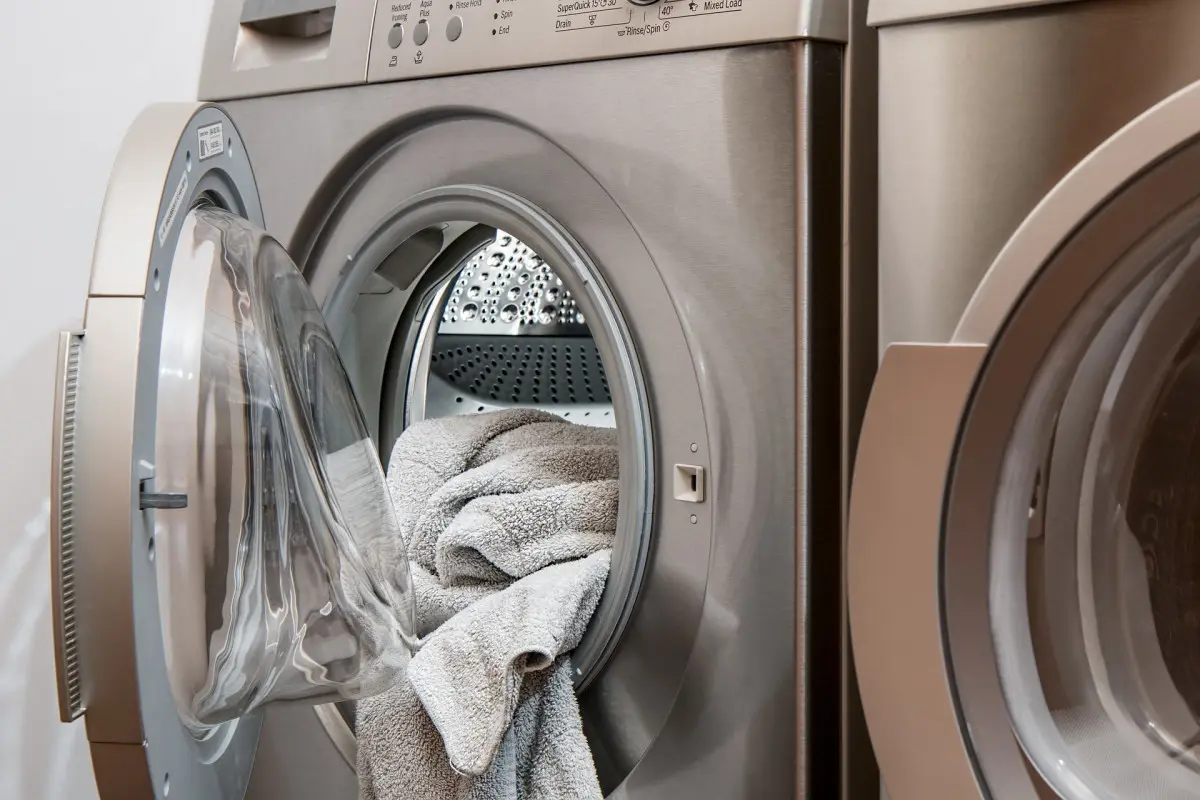
Sometimes it is not your habits that are driving electricity use. It is the home.
An older house may take more energy to keep comfortable. A home with poor insulation may heat up quickly in summer or lose warmth during winter. That can mean heating and cooling systems need to work harder.
The appliances fitted to the property also matter.
Some common high-use items include:
- air conditioners
- electric hot water systems
- clothes dryers
- electric heaters
- pool pumps
- large fridges and freezers
An appliance does not have to be running all day to have an impact. Something that uses a lot of electricity for a few hours each day can add up across a billing period.
Seasonal Changes Can Hide Higher Usage
Sydney homes do not use electricity in exactly the same way all year.
A warmer summer can mean more air conditioning. Cold winter mornings may bring out electric heaters. School holidays can mean more people are home during the day.
Because these changes feel normal, it is easy to miss how much extra power they may use.
This is another reason to compare similar periods rather than simply looking at your last bill.
Checking winter against winter or summer against summer can give you a clearer picture of what has changed.
Give Your Usage Some Context
Once you know how much electricity your home is using, the next question is simple: is that amount typical for a household like yours?
Average figures are not a pass-or-fail test. Every property and family is different. But they can give you a useful reference point.
Learning more about typical Sydney power bills can help you compare your household size and usage with a broader benchmark.
If your use seems much higher, you can then start looking at what may be contributing to it rather than guessing from the dollar total alone.
Check the Things That Run in the Background
Some electricity use is obvious. You know when you turn on the air conditioner or use the dryer.
Other use is easier to forget.
Take a quick look around your home for devices that stay on for long periods. Think about spare fridges, heated towel rails, pool equipment, entertainment systems, old freezers or appliances left on standby.
Also consider whether something has changed recently.
A new appliance, more working from home, extra house guests or using a different room heater can all alter your normal pattern.
You do not need to switch everything off and live in the dark. The aim is simply to understand where your electricity is going.
When Your Usage Does Not Make Sense
Sometimes you will check your habits and still struggle to explain why your home seems to use so much power.
That is worth paying attention to.
An older appliance may be running less efficiently. Electrical equipment may not be working as it should. Your heating, cooling or hot water system may also be using more energy than you realise.
If the numbers do not match what is happening in your home, further investigation can help identify whether there is a practical reason.
The goal is not to obsess over every kilowatt-hour. It is to know what is normal for your household.
Once you understand your own usage, your power bill becomes much more useful. Instead of simply showing what you owe, it can help you spot changes, ask better questions and make smarter decisions about how your home uses electricity.