
Table of Contents
This is a collaborative post.
A healthy smile is built in the ordinary moments: the two minutes before bed, the glass of water after lunch, the flossing session you actually do rather than intend to do. Most people know good oral hygiene matters, but the gap between knowing and doing is where problems quietly take hold. Tooth decay and gum disease are largely preventable, yet they remain among the most common health conditions in the UK.
Research from the Oral Health Foundation consistently shows that consistent daily care, combined with regular dental visits, is what keeps teeth and gums healthy long-term. The question most people have is not whether to bother but which habits genuinely make a difference. These dentist-approved tips cut through the noise.
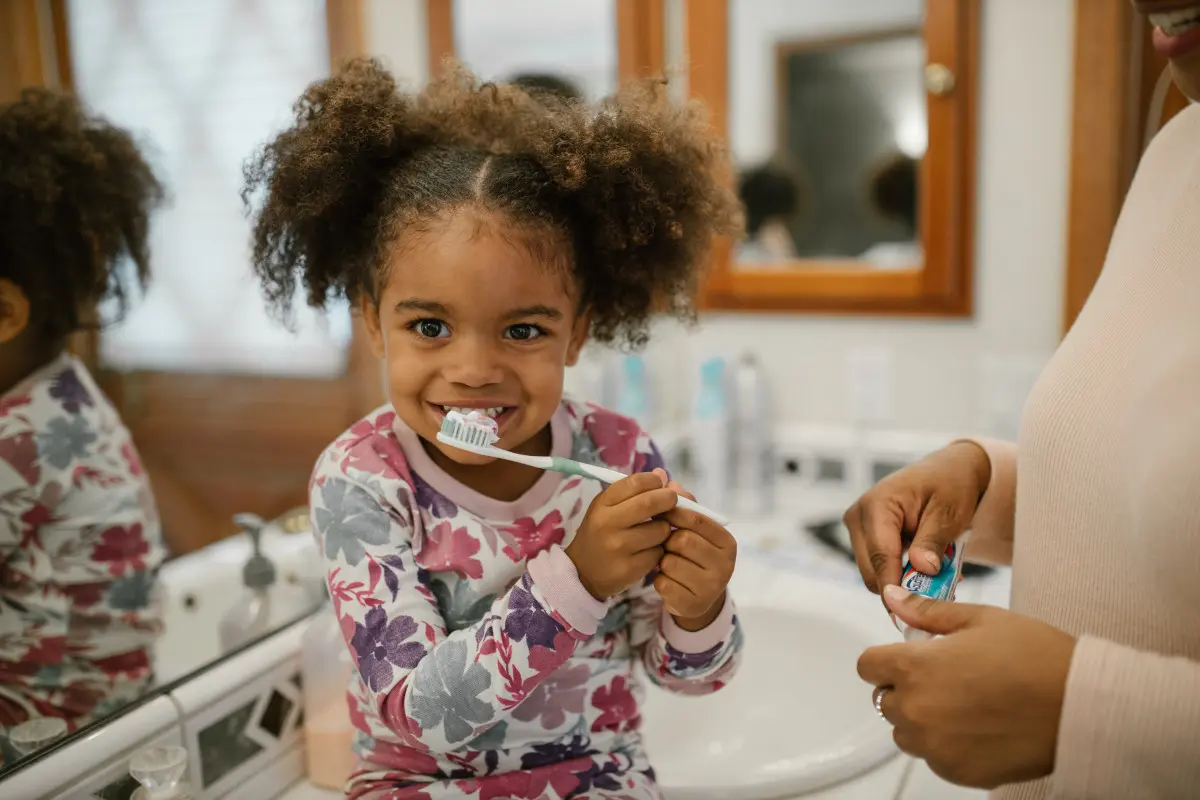
Why everyday habits shape your long-term oral health
Your mouth is home to hundreds of bacterial species. Most are harmless, but without proper hygiene, the harmful ones combine with food debris to form dental plaque. Left undisturbed, plaque hardens into tartar, which can only be removed by a dental professional, and the cycle of decay and gum disease begins.
Beyond the mouth itself, the stakes are higher than most people realise. Poor oral health has been linked in studies to diabetes, cardiovascular disease, and other systemic conditions. The mouth is not a sealed-off compartment; it is connected to the rest of your body, and what happens there has knock-on effects.
If you want advice tailored to your own situation, speaking with an experienced private dentist in Upminster is a good place to start.
Build a strong oral care routine every day
Brush properly, not just frequently
Twice a day is the standard recommendation, and it stands for good reason. Fluoride toothpaste is non-negotiable, as fluoride strengthens enamel and actively protects against decay. The technique, though, is where many people go wrong. Hold the brush at a 45-degree angle to the gumline and use short circular movements rather than the vigorous back-and-forth scrubbing that can wear down enamel over time.
Brush for a full two minutes
Most people brush for under a minute and consider it done. Two minutes is the minimum needed to clear plaque properly from all surfaces. A soft-bristle brush is kinder to gums and just as effective. If you use an electric model, replace the head every three months or when the bristles visibly splay.
Floss every single day
This is the step most commonly skipped, and it is one of the most impactful. Your toothbrush cannot reach the spaces between teeth, where plaque builds up and cavities often begin. Daily flossing protects those areas, reduces gum inflammation, and contributes to fresher breath. If you are unsure whether you are doing it correctly, ask your hygienist to show you at your next visit.
Clean your tongue
Bacteria accumulate on the tongue’s surface throughout the day, contributing to bad breath and adding to the overall bacterial load in your mouth. A tongue scraper works well, or simply use the back of your toothbrush. It takes ten seconds and makes a noticeable difference.
Use mouthwash as a supplement, not a substitute
Mouthwash has a role in a good oral hygiene routine, but rinsing does not replace brushing or flossing. An antibacterial or fluoride mouthwash can reduce bacteria and offer additional enamel protection, but it works best as the finishing layer, not the main event.
For patients already maintaining good daily hygiene and looking for a cosmetic boost, professional teeth whitening in Upminster is worth exploring once your teeth and gums are in good shape.
Daily habits that protect your teeth beyond brushing
Drink more water
Water is easily the most underrated tool for oral health. It rinses food particles from the mouth, dilutes acids produced by bacteria, and supports healthy saliva production. Saliva is your mouth’s natural defence system, neutralising acids and helping to remineralise enamel throughout the day.
Eat foods that support stronger teeth
Dairy products, leafy greens, crunchy vegetables, nuts, and lean proteins all contribute to oral health in various ways. Calcium strengthens enamel; vitamin D helps your body absorb it. Building meals around these foods is one of the quieter but more effective ways to protect your teeth over the long term.
Cut back on sugar between meals
Every time you consume something sugary, bacteria in your mouth produce acids that attack enamel. It is not just the amount of sugar that matters but the frequency. Constant snacking or sipping means your teeth are under repeated acid attack throughout the day. Keeping sugary food and drink to mealtimes gives enamel time to recover in between.
Avoid tobacco in all its forms
Smoking and other tobacco products raise the risk of gum disease, tooth loss, persistent bad breath, and oral cancer significantly. Avoiding tobacco is one of the most impactful choices you can make for your oral health, alongside brushing and flossing.
The overlooked habits that quietly affect your dental health
Replace your toothbrush regularly
A toothbrush with splayed, worn bristles cannot clean effectively, no matter how diligently you use it. Every three months is the standard guidance, or earlier if the bristles show obvious wear. This is an easy win that many people delay longer than they should.
Stop using your teeth as tools
Tearing open packaging, biting off thread, or cracking nuts with your teeth puts considerable stress on enamel and can chip or fracture a tooth. These are small habits worth breaking before they lead to an expensive repair.
Wear a mouthguard if you play sport
A custom-fitted mouthguard from your dentist offers far better protection than an over-the-counter version. For anyone who plays contact sports, the upfront cost is modest compared with the potential cost of a broken or knocked-out tooth.
Keep up both morning and evening routines
The morning routine addresses bacteria that multiply overnight. The evening routine is, if anything, more important: it removes the day’s accumulated plaque and food debris before sleep, when saliva production drops and teeth are more vulnerable. Skipping either regularly allows problems to build up gradually.
Wait before brushing after acidic food or drink
After consuming something acidic, such as citrus fruit, juice, or fizzy drinks, wait around 30 minutes before brushing. Brushing immediately can spread softened enamel across the tooth surface rather than removing debris. A rinse with water is the better short-term response.
When professional dental care is essential
No home routine, however thorough, can do everything. Regular dental check-ups allow a dentist to catch small issues before they escalate, and professional cleaning removes the hardened tartar that brushing simply cannot shift. Preventive care is almost always less costly, and less uncomfortable, than treating problems that have been left to develop.
Warning signs to take seriously include bleeding gums, persistent bad breath, tooth sensitivity, loose teeth, or pain when chewing. None of these should be normalised or waited out. Catching them early generally means simpler, less invasive treatment.
Practices such as Church View Dental emphasise preventive care precisely because early intervention helps patients keep their natural teeth for longer, avoiding the more complex procedures that come from delayed treatment.
Common mistakes that undermine an otherwise good routine
Quite often, people believe they are doing everything right but are caught out by small habits that reduce effectiveness. Brushing too hard is a common one, damaging gums and wearing away enamel over time. Skipping flossing leaves plaque in areas that brushing cannot touch. Forgetting to clean the tongue allows bacteria to linger. Holding onto a toothbrush for too long means cleaning quality gradually declines. And missing routine appointments means early-stage cavities or gum disease go undetected until they become harder to treat.
Correcting these habits is usually straightforward once you are aware of them.
How these habits add up over time
Healthy teeth are rarely the result of one dramatic change. They are built through consistent, unglamorous daily habits that work quietly in the background. Brushing properly, flossing without fail, eating in a way that supports your teeth, drinking plenty of water, and attending regular check-ups form a foundation that holds up for life.
If you want to know where your own routine could be stronger, a preventive dental assessment is the most direct way to find out. A professional can identify the specific gaps in your care, offer personalised guidance, and help you build a routine you can actually sustain. A healthier smile does not usually require a complete overhaul, just a handful of small, consistent improvements.