
Table of Contents
When it comes to your home’s interior design, adding personality is the main goal. Mixing and matching art styles might be the perfect solution as long as it reflects your own taste. Creating an eclectic home allows you to showcase it and bring together sometimes wildly different pieces.
Mixing and matching art styles can seem overwhelming at first. However, with the right approach, you can achieve a cohesive and visually appealing look. In this article, I’ll explore how to do this – plus some tips and ideas.
About Eclectic Home Decor
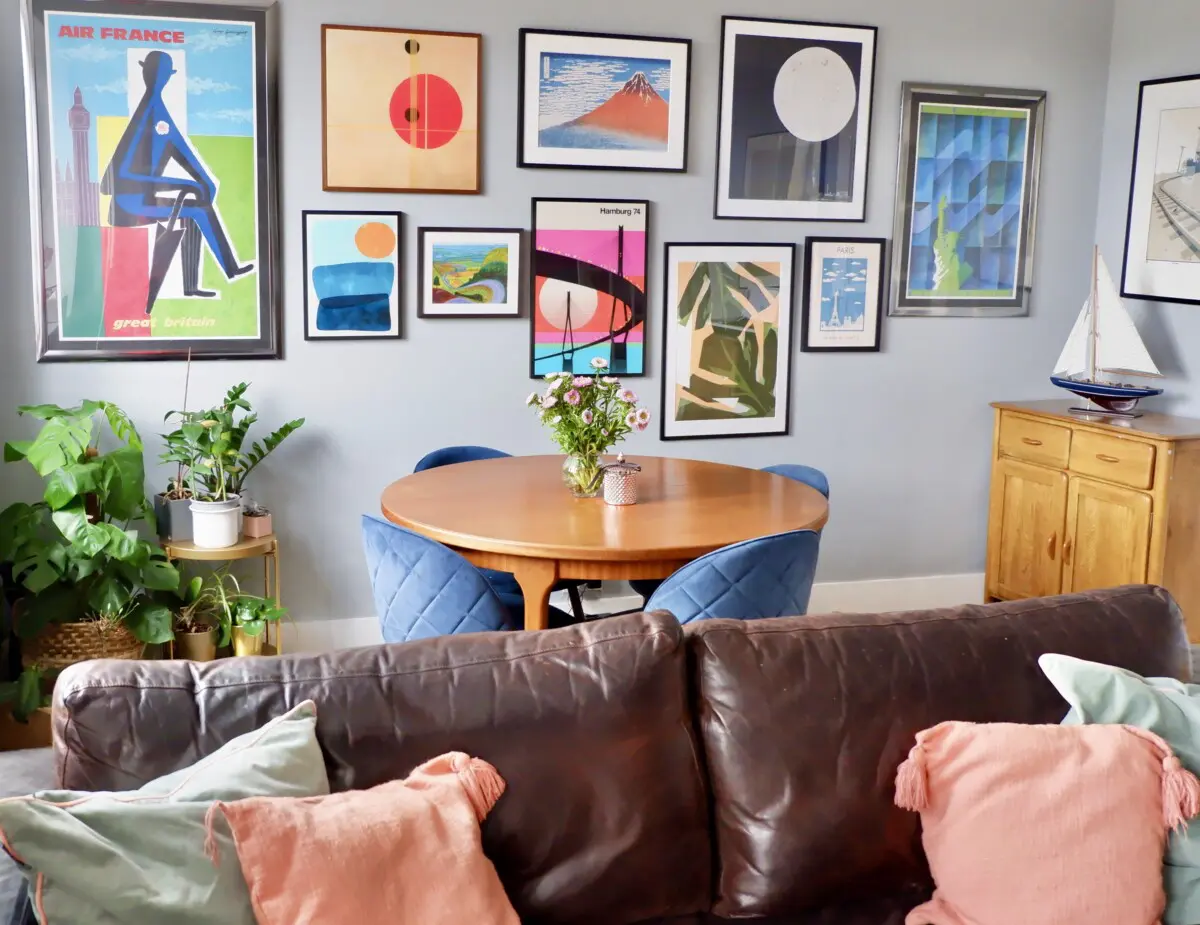
Eclectic home decor is all about combining different styles to create a unique look. Break free from traditional design rules and be more flexible! Eclectic style is often characterized by its diversity, bringing pieces together from different eras, styles, and even cultures. It thrives on contrasts and unexpected pairings. It’s perfect for those who love to experimenting with interior design.
While eclectic decor encourages variety and bold moves, it is important to keep the balance. You want the end result to look curated and not just chaotic.
How to Choose Art for Your Eclectic Home Design
The key when creating an eclectic home design is picking out a variety of art styles. So explore different art styles that resonate with you. This can include everything from modern abstracts to classic landscapes. The goal is to select pieces that you love and that reflect your personal taste.
You might want to look at galleries like the Leftbank Art Gallery featured at Swann’s Furniture & Design. They offer a wide range of unique pieces that can add a special touch to your decor. Their collection includes everything from contemporary to traditional styles, ensuring that you’ll find something that fits your vision.
Apart from art styles, think about mixing different mediums and textures. Combining paintings, sculptures, and textiles can add depth and interest to your decor. For example, you might pair a bold abstract painting with a delicate watercolor or a textured sculpture with a smooth canvas – but in the same colour palette.
Tips for Mixing and Matching Art Styles
- Have a theme as a first step. Begin by choosing a loose theme to guide your art selection. This could be based on color, subject, or style. This helps to create a sense of direction and makes sure that your art pieces complement each other.
- Use a Common Color Palette: A common color palette can tie different art pieces together and create visual consistency. This doesn’t mean that all your pieces need to match perfectly, but having some common colors can help create a cohesive look.
- Play with Scale and Proportion: Experiment with different sizes and scales of art. Mixing large statement pieces with smaller works can add variety and keep your decor from feeling monotonous. For example, you might hang a large abstract painting above your sofa and pair it with a collection of smaller prints on an adjacent wall.
- Balance and Symmetry: Balance and symmetry are key to avoid chaotic look. Arrange your art pieces thoughtfully, so that they are evenly distributed throughout the room.
Work Through Different Rooms
Living Room: You want to create a dynamic and inviting living space, as this is where most time will be spent. Consider A gallery wall with a variety of frames and art pieces is always perfect for living rooms. This can include everything from family photos to abstract paintings, making an interesting display.
Bedroom: For the bedroom, blend personal and meaningful art pieces, this will make the room cozy and personal. Consider placing a large piece of art above the bed to serve as a focal point. You can then just leave it like that, or surround it with smaller, complementary pieces.
Kitchen and Dining Area: Add eclectic art to the kitchen without overwhelming the space – the kitchen tend to be a busy area! Use small, impactful pieces that can be easily changed out. Choose pieces that are easy to clean and maintain, as kitchens can be prone to spills and splatters.
Other Tips to Consider
Regular Rotation: Regularly rotate your art pieces to keep your decor fresh and interesting. This not only prevents your space from feeling stale but also allows you to showcase different pieces over time. You can rotate art seasonally or whenever you feel like refreshing your interior decor.
Mindful Purchasing: Buy art mindfully to avoid clutter and ensure each piece adds value to your decor. Before buying a new piece, consider how it will fit with your existing collection. Buy from reputable sellers and don’t buy copies or cheap counterfeits.
Quality Over Quantity: Invest in high-quality art pieces that you love, and that will stand the test of time. While it can be tempting to fill your walls with lots of art, focusing on quality ensures that each piece has a meaningful place in your home. High-quality art not only looks better but also adds value to your decor.