
Table of Contents
This is a collaborative post.
The importance of energy efficiency in homes cannot be overstated, with several benefits attached to this crucial practice. For many Australian homeowners, it is a viable way to reduce utility costs and limit exposure to rising energy prices. It involves the judicious and effective use of energy to maximise utility and minimise waste, resulting in cost-saving, which is a strategic economic move on the part of homeowners.
Furthermore, better energy efficiency helps to lower greenhouse gas emissions – thus helps in the fight against climate change. As a bonus for homeowners who adopt energy-efficient practices, the comfort of homes will be significantly enhanced!
In Australia, the unique climate is already characterised by big extremes: from very hot summers to chilly winters. People must adapt their energy consumption patterns to the climate – and think ahead as it’s changing. We need to make sure that the energy we use is tailored to these conditions in order to manage the costs, combat climate change and maintain the comfort of our living environment at the same time.
Conducting a Home Energy Audit
Carrying out a home energy audit is the first important step towards a more energy-efficient home. It gives homeowners a good understanding of how energy is used in their homes and where wastage occurs. After the assessment, well-informed steps can be taken to implement energy efficiency practices and modifications where necessary.
Typically, there are two types of energy audits – professional and DIY home energy audits. Professional energy audits are carried out by certified auditors who expertly audit and evaluate a home’s energy use. They provide a detailed report highlighting the inefficiencies and how they can be addressed.
DIY energy audits involve homeowners conducting a basic review of their home’s energy use. There are a lot of printables available for this online.
The audit usually entails careful examination of key areas in your home, such as doors, windows, insulation, heating and cooling systems, lighting fixtures, and also appliances.
Tools that can make the DIY energy auditing process easier include:
- infrared thermometers – which can be used to identify drafts around windows and doors or poorly insulated areas
- smoke pencils for detecting air leaks
- energy use monitors, which give real-time digital readings of electricity use
Enhancing Insulation and Weatherproofing
Insulation is among the most effective ways of maintaining a consistent and comfortable temperature in your home all year round. Proper insulation keeps your home warm in winter and cool in summer by limiting the flow of heat.
There are a wide range of insulation materials available on the market, and determining the most suitable for your home can be influenced by several factors, including the design of your home and the location. Some of the options available to homeowners in Australia include batts and blankets of mineral wool, such as fibreglass and rock wool, cellulose insulation, and reflective foil insulation. Each of these materials perform differently under specific temperature ranges.
Weatherproofing is another popular choice of protecting the interior of your home from draft and moisture. Weatherproofing practices include:
- applying weather stripping to windows and doors
- sealing any cracks or gaps with caulk
- using door sweeps to block drafts from the bottom of exterior doors
Australia’s government recognises the importance of insulation and weatherproofing as measures of energy efficiency and provides various rebates and incentive programs to help homeowners make their homes more energy-efficient.
Upgrading to Energy-Efficient Appliances
Switching to energy-efficient appliances is another effective way to reduce energy consumption. These appliances are designed to perform the same or better function as their alternatives while using less electricity. they help homeowners to reduce the amount of energy they use and as a result, they can make significant energy and cost savings.
Look out for the Energy Rating Label on every appliance. A higher star rating on this label indicates that the appliance is more energy-efficient.
When looking to upgrade your appliances, some high-impact appliances to consider include refrigerators, washing machines, dishwashers, and air conditioners. While energy-efficient models often come with higher upfront costs compared to their less-efficient counterparts, they save money over time, which can offset the initial cost.
Managing Hot Water Usage
Hot water systems account for a significant portion of household energy consumption in Australia. Therefore, efficient use of hot water is imperative in achieving overall home energy efficiency. One practical way to reduce hot water usage is by installing water-efficient appliances and fixtures such as low-flow showerheads and faucet aerators. These fixtures can limit the volume of water that is displaced, thereby reducing the amount of hot water that needs to be heated.
Further efficiency can be achieved by insulating hot water pipes and tanks, which reduces heat loss and ensures that your hot water stays hot for longer. This means that your hot water system doesn’t have to work as hard to keep the water hot, resulting in energy savings and a more efficient water heating system.
Ideally, hot water heaters should be set to heat water to 60 degrees Celsius for storage hot water systems or no more than 50 degrees for instant hot water systems. Regular maintenance of these systems also plays a role in keeping them efficient and ensuring their longevity.
Additionally, an off-peak hot water switch could be considered. This switches on your hot water system during off-peak electricity times when electricity rates are cheaper, providing further savings on your energy bills.
Implementing Solar Energy Solutions
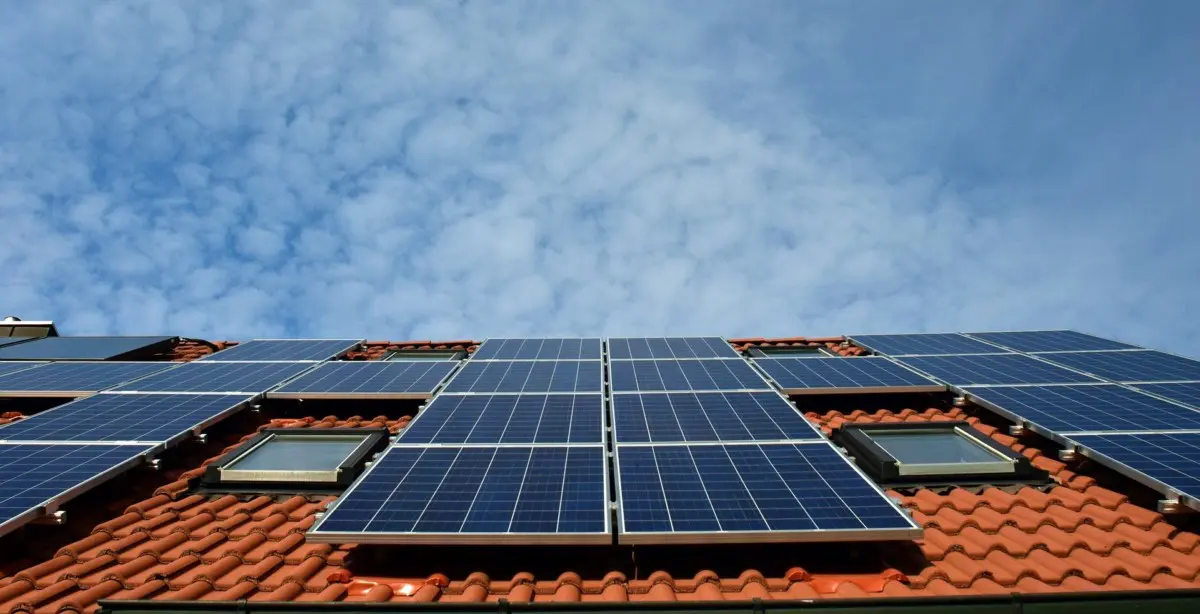
Solar energy offers a renewable and environmentally friendly source of power for our homes. By converting sunlight into electricity, solar panels provide a potentially unlimited supply of power that can significantly reduce dependence on the grid.
Before installing solar panels, several factors like roof suitability need to be considered. Factors such as your roof’s size, orientation, and the presence of any shadow casting structures can affect how much energy you can generate. As solar panel installation can be expensive, these considerations should be made to ensure that you enjoy a good return on your investment.
Moreover, selecting the right solar provider is crucial. Homeowners must compare offerings from different providers based on panel quality, company reputation, warranties, and pricing. Going through the well-detailed contract terms is also essential to avoid future surprises.
The Australian government supports solar power adoption through incentives and subsidies to reduce residents’ cost burden. These support initiatives can help offset the initial costs associated with solar panel installation, making the transition to renewable energy more affordable for many homeowners.
A solar battery system might also be worth considering. By storing excess energy from your solar panels in a battery, you can use this stored power when the sun’s not shining, allowing for solar energy usage around the clock and maximising the benefit of your solar power system.

Utilising Smart Home Technology
With the advent of smart home technology, there are a variety of devices available on the market that can make managing your home’s energy consumption easier and more efficient. Devices like smart thermostats, for example, provide more precise control over temperature settings in your home. These thermostats can be programmed to heat or cool your home only when needed, thereby reducing wasted energy.
Energy monitoring systems are another smart technology that can help improve energy efficiency. They provide real-time feedback on your energy usage, including detailed breakdowns of how much power is being used by different devices within the home. This allows you to identify which appliances or systems are using the most power and make informed decisions about how to decrease your energy use.
Smart lighting systems and power strips are also available options that deliver automatic controls, such as timers or motion sensors. This means that lights and devices can be programmed to switch off when not in use, thereby eliminating unnecessary energy consumption.
Practicing Energy-Saving Habits
Making conscious energy-saving habits part of our daily routine is perhaps the simplest and least expensive way to improve energy efficiency. Actions such as consistently turning off lights when leaving a room, unplugging electronic devices when they’re not in use, or using appliances strategically can have a significant impact on reducing energy consumption and costs.
Improving the efficiency of heating and cooling systems should also be a key focus area since these systems tend to account for the most significant proportion of home energy use. Using ceiling fans to assist in air movement can help to reduce the need for air conditioning. Similarly, effective insulation and draft sealing can keep your home warmer in winter without having to increase heating.
Avoiding the use of energy-intensive appliances during peak demand periods is another habit to cultivate. This practice can help save on energy costs and contributes to the stability of the overall power grid.
Encouraging everyone within your household to participate in energy conservation practices helps to instil a culture of energy efficiency, fostering a sense of collective responsibility towards achieving this goal.
Conclusion
Improving energy efficiency is a practical strategy for Australian homeowners, imparting both economic and environmental advantages. Beginning with small changes like turning off lights when not in use and progressing to more significant steps like installing solar systems, every adjustment brings us closer to our goal of energy efficiency.
The journey to energy efficiency is a continuous one requiring consistent effort and adaptation. However, with these efforts, homeowners can create a more comfortable living environment, potentially lower utility bills, and contribute to a healthier environment.
With numerous resources available for homeowners interested in making their homes more energy-efficient, there are more than enough opportunities to learn and stay informed on the best choices for your home.
In conclusion, the benefits of energy efficiency are vast, extending well beyond the obvious financial savings. Embracing energy efficiency practices delivers long-lasting advantages for homeowners, the environment, and society as a whole. By taking proactive steps to enhance energy efficiency, homeowners can enjoy a greener, healthier, and more efficient home now and in the future.