
Table of Contents
This is a collaborative post.
Orthopaedic issues can often creep up on us gradually, making it difficult to decide when to seek professional help. While occasional aches and pains are common, persistent discomfort might signal that something more serious is occurring. Here are 10 signs that it might be time to visit an orthopaedic specialist.
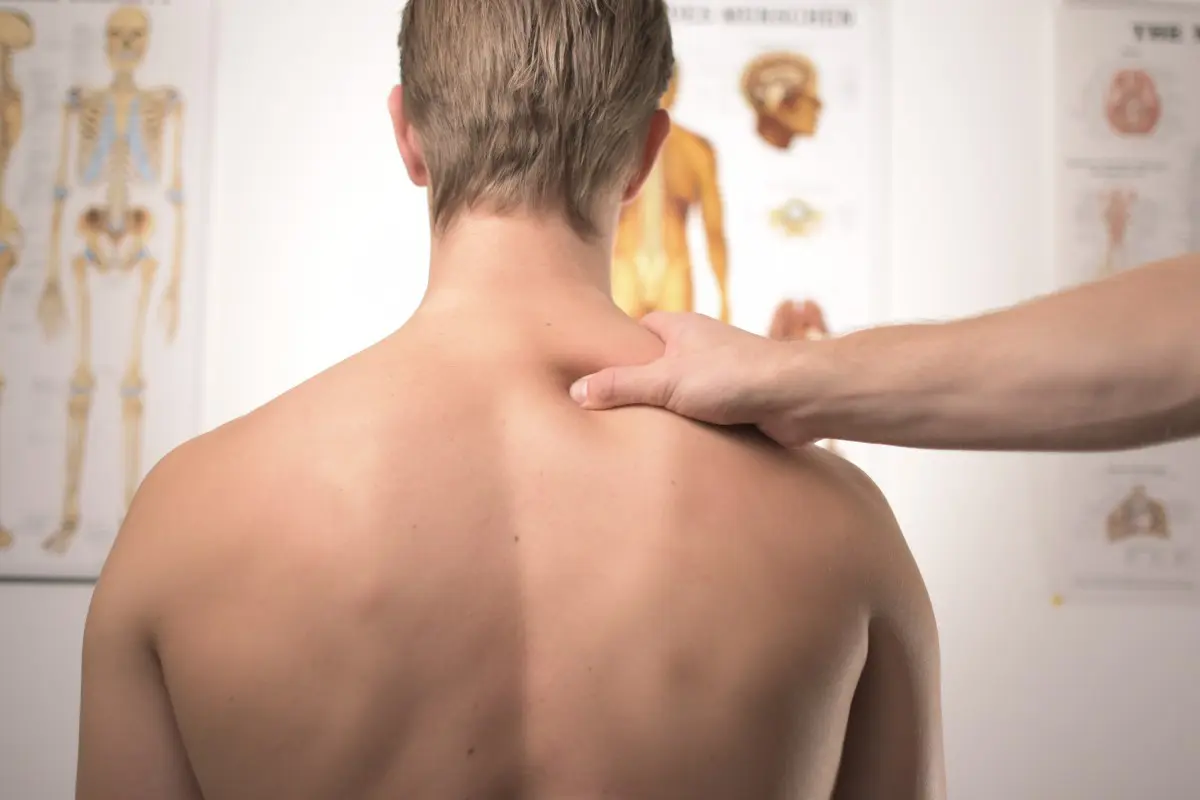
Persistent Pain
Experiencing continuous pain lasting for more than a few days is a strong indicator that you should consult an orthopaedic specialist from a Sunshine Coast orthopaedic clinic. Whether in your joints, muscles, or bones, persistent pain can indicate an underlying issue that requires professional evaluation and treatment.
Limited Range of Motion
If previously easy movements, such as bending or reaching, have become challenging, it may be a sign of a joint injury or a chronic condition like arthritis. An orthopaedic specialist can assess the problem and suggest ways to regain your full range of motion.
Difficulty Performing Daily Activities
When daily activities like walking, climbing stairs, or even standing become painful or difficult, it’s time to seek medical advice. Such difficulties can affect your quality of life and worsen if left untreated.
Instability While Walking or Standing
Feeling unsteady or experiencing frequent falls could indicate muscular or skeletal issues. These symptoms may be related to balance disorders, joint instability, or muscular weakness, all of which can be effectively managed with the help of an orthopaedic specialist.
Numbness or Tingling
Numbness or tingling sensations, particularly in the hands, arms, legs, or feet, can be symptoms of nerve compression or damage. Conditions like carpal tunnel syndrome or herniated discs often cause these sensations and should be evaluated by a specialist.
Swelling or Bruising
Unexplained swelling or bruising around a joint or bone may be a sign of an injury or inflammation. Such symptoms, especially if they appear suddenly, should be examined by an orthopaedic specialist to prevent further damage.
Pain That Worsens with Activity
If your pain intensifies with physical activity or prevents you from participating in activities you enjoy, it may be linked to a structural issue within your musculoskeletal system. An orthopaedic specialist can help diagnose and treat conditions like tendonitis or stress fractures.
Deformity or Visible Changes
Noticing a deformity or visible changes in your bones or joints is a clear sign that you should see an orthopaedic specialist. These changes could be indicative of fractures, dislocations, or advanced arthritis.
Previous Injury That Hasn’t Healed Properly
If you have a past injury that continues to cause pain or has not healed as expected, it might be time for a reassessment. An orthopaedic specialist can evaluate any lingering issues and suggest treatment plans to promote proper healing.
Chronic Condition Management
Living with chronic conditions such as arthritis, osteoporosis, or scoliosis requires regular monitoring and management. An orthopaedic specialist can provide valuable guidance and treatment options to help manage symptoms and maintain mobility.