
Table of Contents
This is a collaborative post.
Japan is a singular destination, a country of incomparable history, culture and presence on the global stage, and a naturally popular holiday destination as a result. From its tech-future urban centres to its hugely influential culinary culture, there’s a great many reasons to make Japan your next holiday destination – some of which are popular enough to require intervention from Japan’s own government! Of these many things, there is an experience which every visitor should take the time and peace to experience at least once. That experience is, of course, visiting an onsen. Onsens are naturally-heated Japanese baths, which utilise geothermal springs as sources of heat and bathing water. There are thousands across Japan, each of which provide a somewhat individualised version of what is a nationally-venerated cultural experience. As a visitor, what do you need to know about onsens and onsen culture?
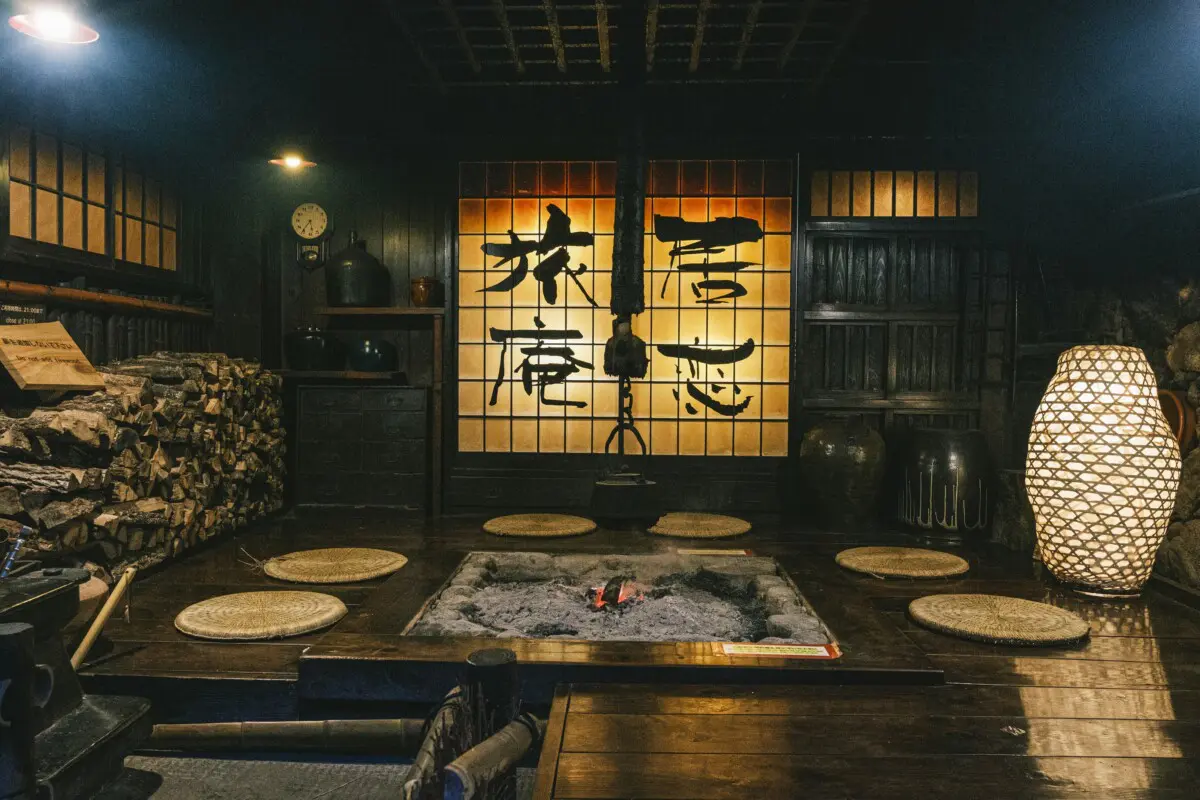
What are Onsens
Onsens are shared baths, conventionally run as part of a larger inn business; these onsens are served by geothermic springs, and provide a unique opportunity for you to decompress and relax. Onsen bathing practices have now thriving for over a millennium, with much of early onsen usage linked to beliefs that hot springs had healing properties.
Understanding Onsen Culture
It could be may assumed, that this way of thinking carries through to the modern day, but today’s onsens are treated far more as a staycation destination – as well as an overall tourist experience. Though the relationship with onsens has changed, strict local etiquette frameworks remain.
For one, it is still unacceptable to enter an onsen without having washed, and thoroughly rinsed off, beforehand. Cleanliness is paramount in an onsen, which also explains the general encouragement to attend the onsen nude; not only that, but the small towel you bring with you isn’t allowed to touch the water.
Choosing the Right Onsen Experience
No two onsens are ever exactly the same, but there are some specific things you might look out for to tailor your onsen experience. Some onsens are indoors, and others are outdoors – so for Japan trips where landscapes are everything, you might choose an outdoor onsen to enjoy the view as you relax.
You may encounter an onsen which do not allow tattooed bathers, partially to prevent Yakuza attendance; this isn’t as commonly the case anymore, and even where it does apply you may be permitted to cover your tattoo up. If you are heavily tattooed, you may benefit from a little more advance research on where you’ll be permitted to bathe.
Historic Roots of Onsens
To truly appreciate the significance of onsens, it’s worth diving into their long history. The earliest recorded onsen date back over 1,000 years, with mentions in ancient Japanese chronicles such as the “Nihon Shoki.” Onsens were historically considered sacred spaces, tied to Shinto and Buddhist traditions. Many were built near temples and shrines, where monks and pilgrims would rest and rejuvenate.
The connection to spirituality and healing persisted into the Edo period, where samurai would visit onsens to recover from battles. Even today, many believe the mineral-rich waters carry therapeutic benefits, aiding in muscle recovery and improving circulation.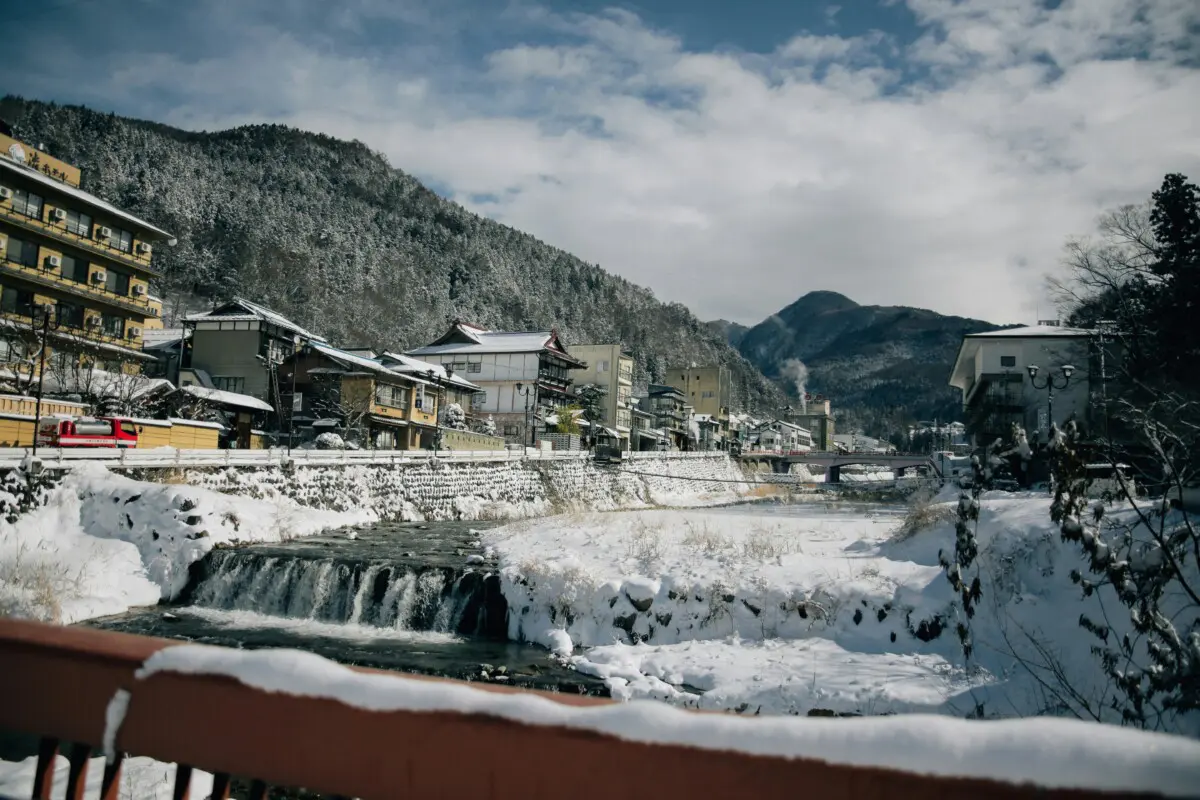
Onsens and Local Communities
Onsens are more than just hot springs—they are the lifeblood of many small towns and communities across Japan. Entire towns, known as onsen-towns, revolve around the geothermal springs they house. These towns, like Beppu in Kyushu or Gero in Gifu, attract tourists seeking not just a bath, but a holistic cultural experience. Wandering the streets in a yukata robe after your soak, stopping at quaint shops or sampling street food, is all part of the charm.
Some onsen-towns also offer public foot baths, or ashiyu, which are perfect for travelers who want to experience the warmth and relaxation of hot springs without fully committing to a bath. These communal foot baths are a social hub, often located in picturesque spots, and are free to use.
The Unique Chemistry of Onsen Waters
Not all onsen waters are the same. Depending on the location, the geothermal waters are infused with different minerals that offer unique benefits. For example:
- Sulphur-rich onsens are thought to promote skin health and aid in detoxification.
- Iron-rich waters can improve circulation and are recognizable by their reddish hue.
- Carbonate springs are believed to help with heart health, thanks to their gentle bubbling effect.
This variety adds an extra layer to the experience, allowing visitors to choose an onsen based on the benefits they’re seeking.
Onsen Cuisine: A Delicious Bonus
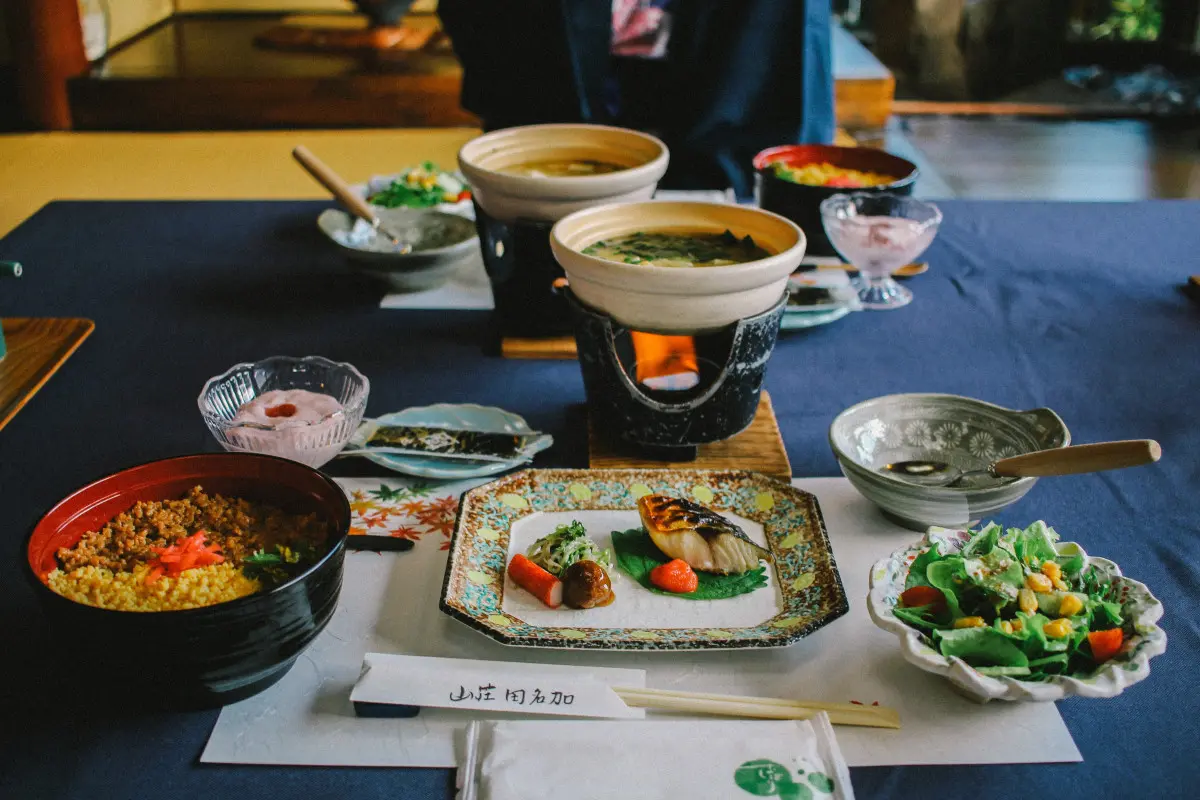
Another delightful aspect of visiting an onsen town is the local cuisine, often tied to the hot springs themselves. For example, onsen tamago, or hot spring eggs, are slow-cooked in the geothermal waters and have a creamy texture unlike any other. Many onsen inns also serve kaiseki meals—elaborate, multi-course dinners that showcase seasonal and regional ingredients.
Food and bathing are deeply intertwined in Japanese culture, making every onsen visit a feast for the senses.
Seasonal Onsen Experiences
The time of year can dramatically change the atmosphere of your onsen visit. In winter, outdoor onsens provide a magical contrast between the freezing air and steaming hot water, often accompanied by views of snow-covered landscapes. In spring, many onsens are surrounded by blooming cherry blossoms, adding a sense of renewal to the experience.
Each season offers a unique perspective, making repeat visits to onsen across different times of the year an endlessly rewarding experience.