
Table of Contents
This is a collaborative post.
A beautiful garden represents a deeply personal achievement, a living canvas we naturally wish to share. Yet our homes must also function as private havens, secure from unwanted attention. Reconciling these two seemingly opposing desires, display versus defense, forms a central challenge in modern domestic design. Achieving this equilibrium demands more than just a tall barrier; it calls for creative thinking that integrates security seamlessly into your landscape’s aesthetic.
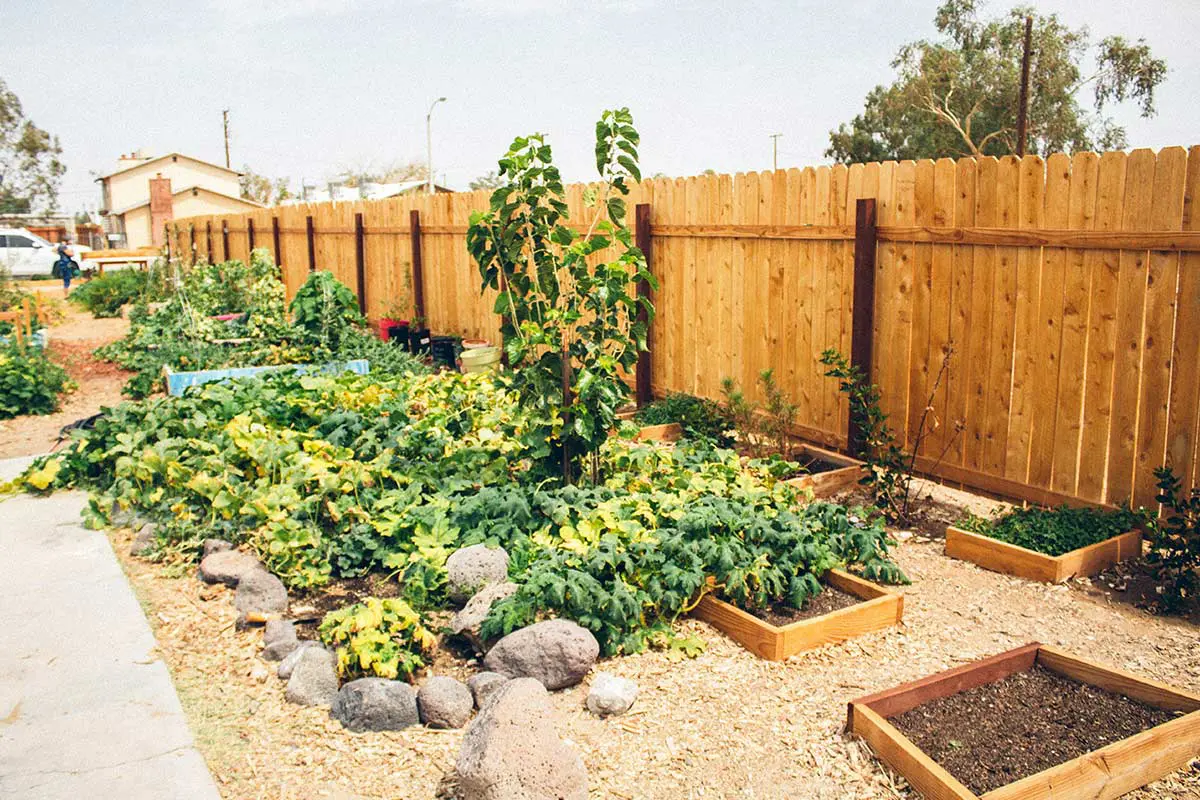
Defining Space with Style
The most immediate solution for establishing a boundary involves installing some form of perimeter demarcation. Instead of a monolithic wall, consider structures that provide separation without creating a fortress-like feeling. Modern horizontal slat panels, for instance, offer a striking geometric presence while allowing air and light to filter through. For a more traditional aesthetic, beautifully crafted wrought iron segments provide security with an air of elegance. Thoughtfully designed garden fencing acts not as a blunt instrument, but as the framework that gives your entire outdoor space its shape and character.
The Living Barrier
Why rely solely on manufactured materials when nature offers its own robust, beautiful solutions? Planting a mixed hedge of hawthorn, holly, and beech creates a dense, thorny thicket that is virtually impenetrable yet teeming with wildlife. A row of elegant bamboo (hard to contain though!), contained by root barriers, can form a tall, evergreen screen that rustles soothingly in the wind. Climbers like jasmine or climbing roses trained on a simple wire trellis add a soft, fragrant layer to a more solid structure. These organic options mature over time, enhancing both privacy and biodiversity.
Strategic Illumination
Lighting plays a dual role after sunset. Carefully positioned fixtures can transform your garden into a dramatic nighttime feature, highlighting a specimen tree or illuminating a water feature. Simultaneously, a well-lit exterior is a powerful deterrent to intrusion. Motion-sensor lights placed near potential access points provide a clear security function. For ambient glow, low-voltage LED path lights or softly uplighting a decorative wall prevent dark shadows where people could hide, making the property feel occupied and observed.
Elevating the View
Physical security need not be grounded. Windows and glass doors offering garden vistas can be protected without sacrificing the view. Almost invisible laminates applied to glass can hold shattered panes together in an impact. Modern, robust external shutters, operable from inside, provide formidable physical protection and solar control when open. For a less obtrusive approach, a sensor-driven alarm system on vulnerable ground-floor openings offers a purely electronic shield. These measures protect the transparent boundaries of your home.
Layering Your Defenses
Effective security operates on a principle of graduated layers, much like a castle’s baileys and keeps. The outermost layer could be a low, symbolic picket fence at the property line. Next comes a zone of thorny shrubbery or raised flower beds beneath windows, discouraging close approach. A more substantial fence or gate might enclose the immediate patio or deck area. This strategy creates a series of psychological and physical hurdles, making a direct, unseen path to the house itself much more difficult for any intruder.
The Goal is Seamless Integration
Ultimately, the goal is a seamless integration. Your protective measures should feel like a natural, considered part of the overall design, not a later addition. A trellis supporting a climbing rose is both a support for beauty and an obstacle. A softly lit path is both welcoming and observant. By weaving security into the very fabric of your landscape, you create an environment that is simultaneously open and enclosed, a place where you can proudly display your horticultural passion while resting in absolute, unspoken safety.