
Table of Contents
This is a collaborative post.
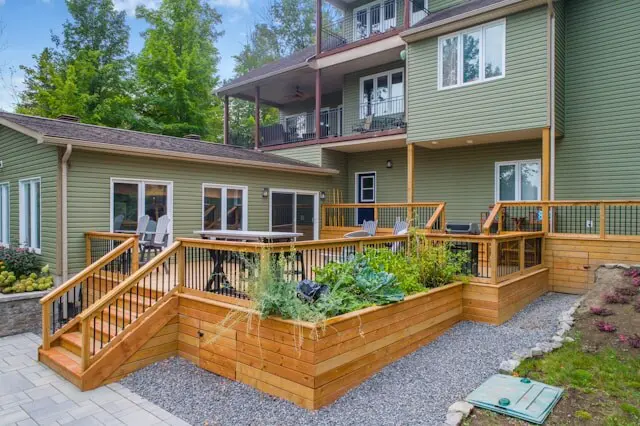
Every parent knows and dreads the sound of a child hitting a wet surface. More often than expected, that sound comes from the back garden. In this case, the homeowner had installed traditional timber decking that looked stunning on the supplier’s website but, in the reality of a British autumn/winter/spring and let’s be honest often summer too these years (It has really been the wettest two years we’ve ever known!), became a high-risk, slippy ice rink-like surface: coated with an almost invisible film of algae and sometimes laced with actual ice too.
For families living in unpredictable climates, the garden should not become a no-go zone for half the year. That realization led to deeper research into material science, safety ratings, and long-term solutions to the slippery deck problem.
The Physics of the Fall: Why Wood Often Fails
The Science of Traction: What Makes a Board “Safe”?
The “Barefoot” Standard and Safety
Splinter-Free Living:
Timber naturally splinters as it dries. Many parents have performed impromptu “tweezer surgery” after a garden playdate. High-performance composite is a solid-state material that does not shard, crack, or splinter, enabling a genuinely barefoot-friendly environment.
Thermal Regulation:
Earlier generations of plastic decking were notorious for overheating in summer. By 2026, mineral-core technologies are being used to dissipate heat more effectively. These boards remain comfortable underfoot even in direct July sunlight.
The Financial Delta: The “Maintenance Tax”
The Timber Route:
Initial materials: £1,200, Annual cleaning, UV oils, and algae treatments: £160 Ten-year maintenance chemicals: £1,600 Total: £2,800, plus an estimated 150 hours of labour
The Performance Route:
Initial materials: £2,700 Maintenance: £0