
Table of Contents
This is a collaborative post.
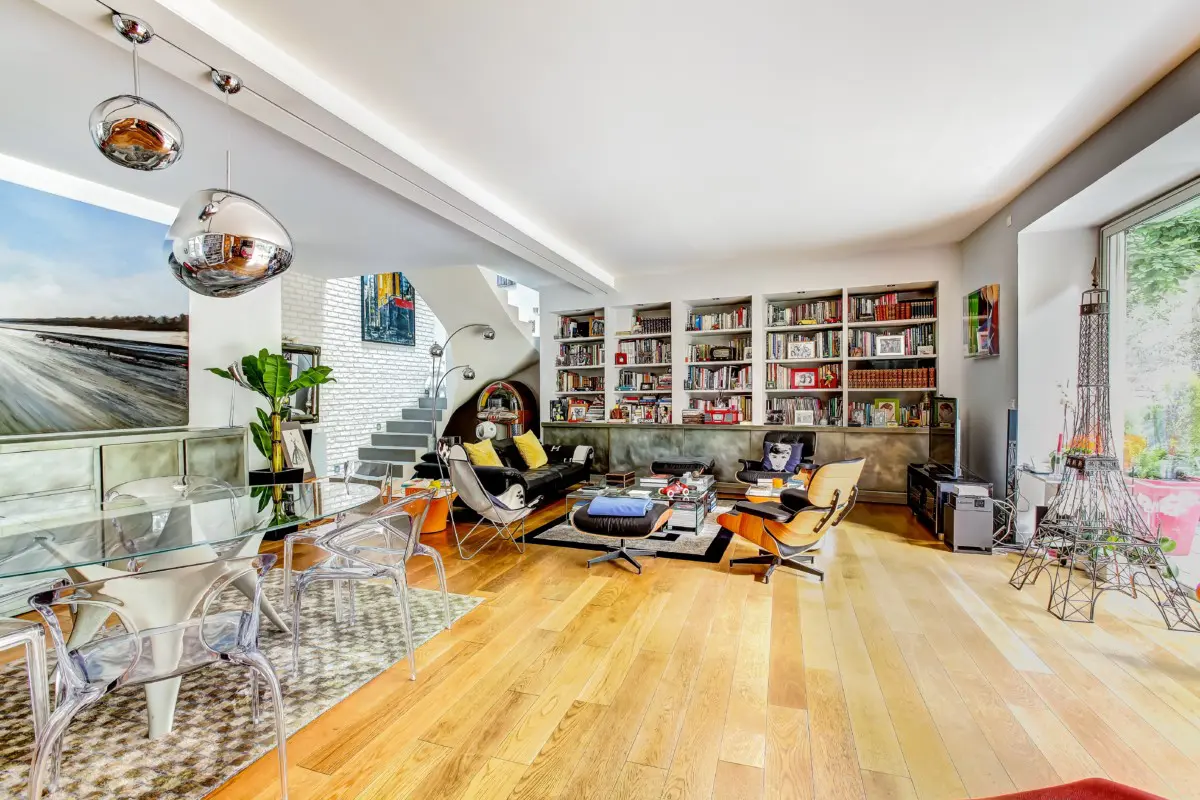
White bamboo flooring and light-colored hardwood are popular for bright, airy spaces. Bamboo offers a unique look compared to traditional options. White bamboo flooring is often more affordable, ranging from $2 to $6 per square foot, while light hardwoods typically cost $4 to $8 per square foot.
Bamboo grows much faster than hardwood trees, making it a more eco-friendly option. It reaches full height in just one year and is ready for harvest in 3-5 years. This quick growth cycle allows for sustainable production. Light hardwoods like maple or ash take decades to mature, which impacts their cost and environmental footprint.
When it comes to durability, bamboo holds its own against many hardwoods. It’s resistant to dents and scratches, making it a good choice for busy households. Both bamboo and hardwood floors can last for many years with proper care. They each require regular cleaning and occasional refinishing to maintain their beauty.
Key Takeaways
- White bamboo flooring is often cheaper and more eco-friendly than light hardwoods
- Both options offer durability and can last many years with proper maintenance
- Bamboo and light hardwoods each have unique looks to suit different design preferences
Characteristics and Benefits of Bamboo Flooring
Bamboo flooring offers unique qualities that set it apart from other options. It combines natural beauty with eco-friendly features and impressive durability.
Composition and Types of Bamboo Flooring
Bamboo flooring comes in three main types: solid, engineered, and strand woven. Solid bamboo is made from thin strips glued together. Engineered bamboo has a top layer of bamboo on a plywood base. Strand woven bamboo is the toughest, made by compressing bamboo fibres.
I’ve found that each type has its strengths. Solid bamboo looks most natural. Engineered bamboo works well in damp areas. Strand woven bamboo stands up best to wear and tear.
Bamboo flooring can mimic traditional hardwoods. It comes in light and dark shades to suit different styles. Some types have a grain pattern similar to wood.
Environmental Impacts and Sustainability
Bamboo is one of the most eco-friendly flooring choices available. It grows much faster than hardwood trees, often ready to harvest in just 5-7 years.
I’ve learned that bamboo needs few pesticides or fertilizers to thrive. It also releases more oxygen and absorbs more carbon dioxide than trees.
Many bamboo floors use low-VOC adhesives, making them healthier for indoor air. When shopping, I look for bamboo certified by groups like the Forest Stewardship Council.
One drawback is that most bamboo comes from Asia, so shipping adds to its carbon footprint. But overall, it’s still a greener choice than many alternatives.
Durability and Resistance to Damage
Bamboo flooring can be incredibly tough, especially strand woven types. Some bamboo floors rate higher on hardness scales than oak or maple.
I’ve found bamboo holds up well to daily wear. It resists dents and scratches better than many hardwoods. This makes it great for high-traffic areas or homes with pets.
Bamboo also stands up well to moisture. It’s less likely to warp or swell than hardwood if exposed to spills. But like wood, standing water can still damage it.
With proper care, a good bamboo floor can last 20-30 years or more. Regular cleaning and occasional refinishing help maintain its beauty and strength.
Comparison of Aesthetic Elements
White bamboo and light-coloured hardwood floors offer unique visual qualities. Their appearance can dramatically change a room’s feel. Let’s look at how these flooring options compare aesthetically.
Colour Variations and Their Effects on Atmosphere
White bamboo floors tend to have a more uniform look. They often appear brighter and more modern. Light hardwoods like maple or ash have more natural grain patterns. This can add warmth and character to a space.
Both options make rooms feel bigger and airier. White bamboo reflects more light, creating a crisp, clean atmosphere. Light hardwoods offer a softer glow that feels cozy and inviting.
I find that white bamboo works well in minimalist or contemporary designs. Light hardwoods fit nicely in both modern and traditional spaces.
Light-Coloured Floors and Room Enhancement
Light floors boost natural light in a room. They bounce sunlight around, making spaces feel more open. This effect is stronger with white bamboo due to its lighter colour.
In smaller rooms, light floors can create an illusion of more space. They blur the lines between walls and floors, expanding the visual area.
I’ve noticed that light floors also highlight furniture and decor. They provide a neutral base that allows other elements to stand out. This can be great for showcasing art or statement pieces.
Matching Floors to Interior Design Themes
White bamboo floors work well with many design styles. They fit seamlessly into modern, Scandinavian, and coastal themes. Their clean look complements minimalist decor and bold colour accents.
Light hardwoods are more versatile. They can suit rustic, traditional, or contemporary designs. Their natural grain adds texture and interest to a room’s overall look.
I find that both flooring types pair well with various colour schemes. They act as a neutral canvas for different design choices. Light floors allow for easy changes in decor without clashing with the base.
Installation and Maintenance Considerations
Installing and caring for white bamboo flooring differs from traditional light-coloured hardwood in a few key ways. I’ll explore the installation process, cleaning needs, and how to handle common issues like scratches and stains.
Ease of Bamboo Flooring Installation
I find bamboo flooring quite simple to install, especially engineered options. Click-lock planks make for quick floating installations that work well even in basements. Tongue and groove styles can be glued down too.
Bamboo adapts to temperature changes better than hardwood, so I don’t need to let it acclimate as long before installing. The planks are often lighter and easier to cut than hardwood boards.
Still, I make sure to follow the manufacturer’s instructions closely. Proper subfloor prep is key for both bamboo and hardwood to prevent future issues.
Cleaning and Upkeep of Flooring Surfaces
Keeping white bamboo floors clean is straightforward. I sweep or vacuum regularly to remove dirt and debris. For deeper cleaning, I use a damp mop with a mild soap made for bamboo floors.
I avoid harsh chemicals or excessive water, as these can damage the finish. White bamboo may show dirt more easily than darker floors, so I clean more often.
Hardwood needs similar care, but some types may need special cleaners. I always check the manufacturer’s care guide for both flooring types to ensure I’m using the right products.
Dealing with Scratches, Dents, and Stains
Bamboo flooring is quite tough, but it can still get scratched or dented. I use furniture pads and rugs in high-traffic areas to prevent damage. For small scratches, I use a touch-up kit made for bamboo floors.
Deeper scratches or dents in bamboo are trickier to fix than in hardwood. Hardwood can often be sanded and refinished multiple times, while bamboo usually can’t.
For stains on white bamboo, I act fast. I blot spills right away and use a cleaner made for bamboo. Some stains may need special treatments. White floors of any type tend to show stains more, so quick action is key.
Traditional Light-Coloured Hardwood Options
Light-coloured hardwood floors offer timeless beauty and versatility for homes. I’ll explore popular hardwood varieties and compare their durability to bamboo flooring.
Varieties and Characteristics of Hardwood Floors
Light hardwood floors come in several species. I’ve found maple to be a top choice. It has a smooth, uniform grain and resists dents well. Ash is another great option. It’s known for its distinctive grain patterns and strength.
White oak is popular for rustic-style homes. It has a coarser grain than red oak and takes stain nicely. Birch offers an affordable light wood with an attractive satin sheen.
These woods vary in hardness. On the Janka scale, maple rates 1,450, ash 1,320, white oak 1,360, and birch 1,260. Higher numbers mean greater dent resistance.
Comparative Longevity Between Hardwood and Bamboo
Hardwood floors can last 50-100 years with proper care. I’ve seen many century-old hardwood floors still in great shape. They can be refinished multiple times to remove scratches and dents.
Bamboo flooring typically lasts 20-30 years. It’s durable but can’t be refinished as often as hardwood. Bamboo is more prone to dents and scratches than harder woods like maple or oak.
Both options resist moisture damage when sealed properly. Hardwood expands and contracts more with humidity changes. Bamboo is more stable in this regard.