
Table of Contents
This is a collaborative post.
The fabric of modern society is built around the convenience of electrical power. Our homes, businesses, and public spaces have electrical systems and devices that greatly enhance our productivity and living standards. However, the use of electricity in our daily lives also brings potential hazards that need to be well-managed to prevent accidents. Electrical problems can vary notably in their degree and implications among these hazards.
While some issues may be inconveniences, others can pose serious risks to our safety. The immediate and often substantial threat that electrical emergencies present is a stern reminder of the scale of potential consequences, ranging from property damage to severe injuries or even fatalities. The decisive role of an emergency electrician in these situations is paramount. As trained and certified professionals, they can safely manage and quickly rectify hazardous electrical situations.
Neglecting or delaying help for electrical emergencies invites a host of problems, from the possible destruction of electronics or appliances to more catastrophic outcomes such as large-scale electrical fires. Moreover, the indirect consequences of ignoring emergencies, like subsequent interruptions to productivity or operations, can be debilitating for businesses. Therefore, understanding the exact circumstances in which you should call an emergency electrician is crucial to maintaining a safe and secure environment.
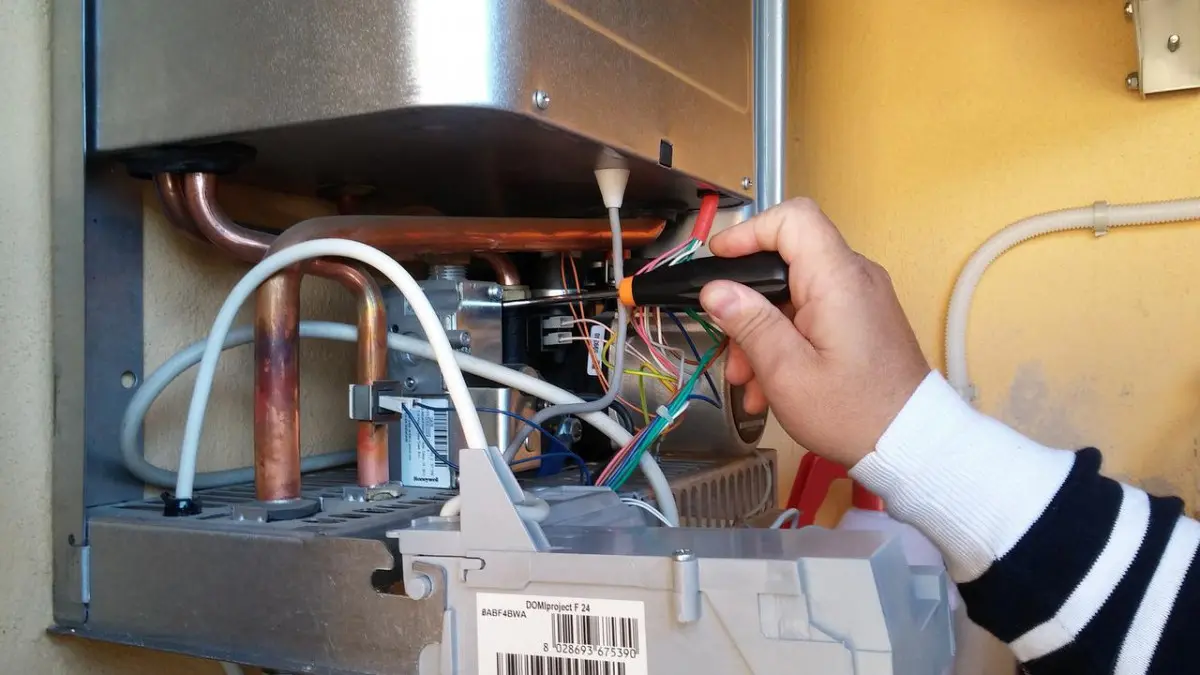
Understanding Electrical Emergencies
From a technical perspective, an electrical emergency is a situation wherein there’s imminent danger due to problems related to the electrical system, regardless of where they occur in your property. The nature and gravity of each electrical emergency can vary considerably depending on various factors, such as the quality of existing installations and the capacity of safety systems to respond to faults.
Underestimating the urgency of electrical emergencies or willingly choosing to ignore them can aggravate the situation dramatically, with far-reaching consequences. Instances such as sparking outlets, tripping circuits, unexplained power surges, or the persistent presence of a suspicious burning smell indicate electrical emergencies. In other situations, hazardous scenarios unfold, like flickering lights despite repeated replacements, shocking switches, or appliances failing for no discernible reason. When such circumstances occur, acting promptly while ensuring safety is necessary to prevent the escalation of damage.
Recognising Faulty Wiring
A silent yet potent threat that lurks in our properties is faulty wiring. Understanding the implications of this hazard requires knowing how to identify its signs. If your fuses are blowing more frequently than usual or if your lights tend to dim when you switch on appliances, you may have a wiring problem. More alarming evidence of faulty wiring includes outlets or switches that are discoloured due to internal arcs and sparks, or if there’s an unusual burning smell indicating an overheated wire or an electrical fire.
Outdated, inferior, or damaged wiring constitutes a significant risk, magnifying the chances of electrical shocks or fire hazards. Real-life scenarios like devastating house fires, often inflicting substantial financial loss and endangering lives, can be traced back to wiring-related issues. As the saying goes, prevention is better than cure; scheduling regular check-ups, preferably at least once a year, will enable you to identify potential wiring issues before they morph into full-blown emergencies.
Addressing Frequent Circuit Breaker Trips
Think of a circuit breaker as the invisible guardian of your home, quietly protecting against electrical overloads. The nature of this protection is relatively simple but ingenious: when the electrical load in the system exceeds a safe limit, the circuit breaker trips, thus preventing potential damage to the system or appliances. However, while the system offers protection, if the breaker starts tripping frequently, it indicates something within the electrical system is amiss.
The causes of trips can range from overloaded circuits or short circuits to faulty electrical appliances. Continuous ignorance can lead to the degradation of the circuit breaker or the overheating of wires, potentially causing an electrical fire in the worst-case scenario. Before hiring an emergency electrician, reduce the load on the affected circuit or check appliances you connected recently. If the breaker continues to trip, it’s likely time to involve a professional who can accurately diagnose and fix the problem.
Handling Unexpected Power Outages
Power outages are relatively common and can stem from a myriad of issues. However, it’s important to differentiate between widespread power outages and localized ones. In the former case, the outage is generally due to external factors like issues within the utilities provider or the effects of severe weather. In these scenarios, problem-solving usually falls upon the utility company.
However, if your property is the only one affected during an outage, that’s a different story altogether. It could indicate a localised issue, such as a problematic circuit or malfunctioning appliances, and significant disruptions could occur, particularly if safety systems or essential appliances are affected. An emergency electrician can rectify your situation safely while also investigating any underlying issue, which could be the root cause of the outage.
Dealing with Electrical Burning Smells or Sparks
There are a few things that raise alarm as quickly as the smell of burning electricity or a spark that shoots out from a power point. These instances are clear indicators of serious electrical issues that demand immediate attention. The smell of burning electricity often points to overheating wires or equipment, which, if ignored, could escalate into an electrical fire. On the other hand, visible sparks usually suggest a short circuit or a severe fault, which could have catastrophic repercussions if unaddressed.
The immediate response to a burning smell or sparks should be to shut off power to the affected area through your circuit breaker and to avoid any contact with the affected devices. Then, summon an emergency electrician to address the issue. While waiting for an electrician, keep combustible materials away from the source and refrain from using water to douse any sparks or fires due to the risk of electrical shock.
When to call an electrician
Understanding when to call an electrician for an emergency is pivotal in ensuring the safety of our homes and businesses. Recognising early warning signs, like faulty wiring, frequent circuit breaker trips, unexpected power outages and visible sparks, can save us from the fallout of electrical emergencies. Understanding what to do in an electrical emergency can be the difference between a near-miss and a disaster.
As part of this understanding, having the contact information for a reliable emergency electrician at hand could be the difference that prevents a dangerous situation from escalating. Complementing this with regular maintenance will ensure that your electrical system, whether at home or in your business, remains functional and safe in the long run. Ignoring the signs of electrical emergencies can be likened to a game of Russian roulette—you never know when a situation might escalate beyond control. Hence, vigilance and prompt actions are your best bet in effectively thwarting electrical emergencies.