
Table of Contents
This is a collaborative post.
The landscape of weight management in the UK is undergoing a significant transformation, largely driven by the increasing availability of medicated weight loss treatments. With medications such as GLP-1 receptor agonists now a viable option for many, the conversation has shifted towards a more holistic strategy for success. This leaves many Britons asking a crucial question: what is the best breakfast to eat for lasting results while on a medicated weight loss journey?
According to leading UK dietitians and a growing body of nutritional research, the answer is a well-structured, high-protein breakfast. This approach is supported by the British Dietetic Association, which confirms that a well-planned healthy breakfast provides essential nutrients and energy to start the day. Such a meal is not merely about starting the day right; it is a strategic tool that works in concert with the medication to manage hunger, preserve essential muscle mass, and stabilise energy levels, making the path to sustainable weight loss both more effective and far more manageable.
Understanding Medicated Weight Loss: How Do Treatments Work?
Before diving into the perfect breakfast, it’s important to understand what “medicated weight loss” means. This approach involves using prescribed medications to support weight reduction, typically alongside diet and lifestyle changes. The most talked-about treatments in the UK right now are a class of drugs called GLP-1 (glucagon-like peptide-1) receptor agonists.
These medications include well-known names like Wegovy (semaglutide) and the more recently introduced Mounjaro (tirzepatide). While both are highly effective, they work by mimicking the action of natural hormones in the gut. When you eat, these hormones are released, sending signals to your brain that you are full. GLP-1 medications essentially amplify this process by:
- Targeting the brain’s appetite centre to reduce hunger signals and food cravings.
- Slowing down stomach emptying, which helps you feel physically fuller for longer.
- Improving the body’s response to sugar, aiding in blood glucose stabilisation.
The rollout of these treatments has been a major health story, with the NHS making new weight loss jabs available to tens of thousands of eligible patients to help tackle obesity and reduce pressure on health services. The dual-agonists are targeting both GLP-1 and another gut hormone called GIP, has shown particularly significant results in clinical trials. This dual action also means that creating a balanced meal plan while using mounjaro & wegovy medications is essential to manage energy levels and nutritional intake effectively, ensuring the body gets the right fuel while the appetite is suppressed.
While results vary, users can achieve significant weight loss, but these drugs are most effective when viewed as a tool to support a healthier lifestyle, not as a standalone cure. This is where strategic nutrition, starting with breakfast, plays a vital role.
Why a High-Protein Breakfast is Non-Negotiable
When using a GLP-1 medication, your appetite naturally decreases. A high-protein breakfast complements this effect perfectly, providing a powerful one-two punch against hunger and cravings.
Enhanced Satiety and Calorie Control
Protein is unique in its ability to promote a feeling of fullness. Scientific studies have demonstrated that consuming a breakfast with at least 25–30g of protein triggers the release of satiety hormones that signal to your brain that you are satisfied. Simultaneously, it helps to suppress ghrelin, often called “the hunger hormone”. This can lead to a spontaneous reduction in calorie intake throughout the rest of the day. For someone whose appetite is already moderated by medication, this additional control can be a game-changer.
Muscle Preservation is Key
A common downside of rapid weight loss is the loss of lean muscle mass along with fat. This is detrimental because muscle is metabolically active; the more you have, the more calories you burn at rest. Prioritising protein intake provides your body with the essential building blocks needed to preserve muscle tissue. This is a critical factor in preventing weight regain, and it has become a central piece of advice from experts, aligning with official guidance from the British Dietetic Association on maintaining muscle during weight loss.
How Much Protein Should Your Breakfast Contain?
While the average UK breakfast falls short, dietitians recommend a much higher target for those on a weight loss path. According to the latest National Diet and Nutrition Survey data, breakfast contributes significantly to daily nutrient intake but is often lacking in protein. For individuals using weight loss medications, the optimal amount is between 25–30g of protein for the first meal of the day.
Strategic High-Protein Breakfasts for Medicated Weight Loss
Here are some simple, nutritionist-approved breakfast strategies that are high in protein and focus on the whole, minimally processed foods that work best with GLP-1 medications:
Powerful Egg-Based Meals: Move beyond a simple fried egg. Think a three-egg omelette loaded with spinach, mushrooms, and a sprinkle of feta cheese. Or prepare a batch of egg muffins with diced peppers, onions, and lean protein like black beans.
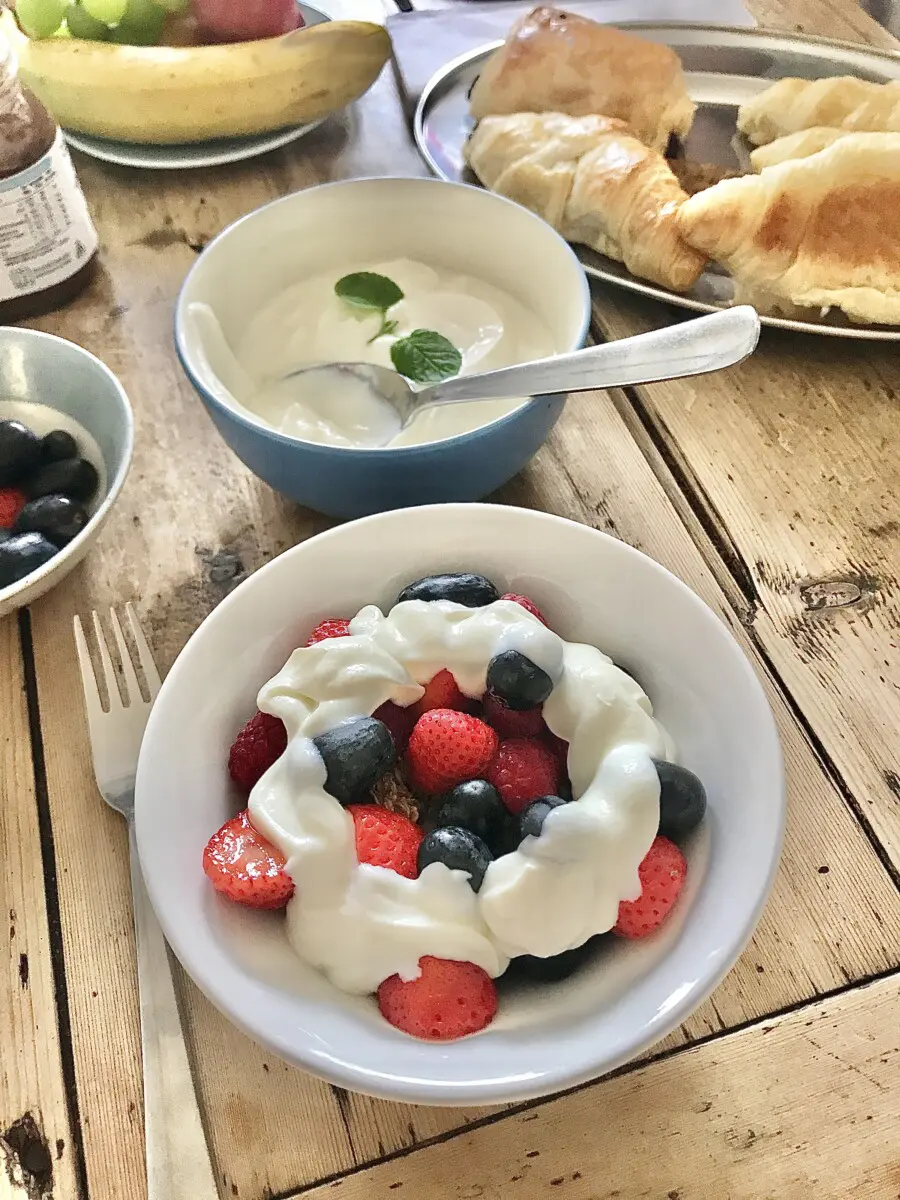
Greek Yoghurt Power Bowl: A 200g serving of plain, full-fat Greek yoghurt provides around 20g of protein. Top it with a tablespoon of chia seeds (3g protein), a handful of almonds (6g protein), and some berries for fibre and antioxidants.
Fortified Protein Smoothie: A well-constructed smoothie can be a perfect vehicle for protein. Blend a scoop of quality protein powder (around 20-25g of protein) with unsweetened almond milk, a tablespoon of nut butter, a handful of spinach, and half a banana for a complete and satisfying meal.
Upgraded Porridge or Oatmeal: A standard bowl of porridge made with water is low in protein. Transform it by making it with milk or soy milk, stirring in a scoop of protein powder towards the end of cooking, and topping with nuts and seeds.
Savoury Whole Grain Toast: Two slices of whole grain or rye toast and a side of wilted spinach is an excellent option. Alternatively, a generous serving of baked beans on toast is a classic, fibre-rich choice.
Cottage Cheese with Fruit: Often overlooked, cottage cheese is a protein powerhouse. A 150g serving can deliver over 20g of protein. Pair it with sliced pear and a sprinkle of cinnamon for a quick and easy breakfast.
Expert Insights from UK Nutrition Professionals
Registered dietitian Julie Pace, in an interview with EatingWell, stresses the importance of synergy: “A well-balanced breakfast with the right amount of protein, carbs and fat jump-starts your metabolism, provides essential energy for the day, and sets the tone for healthier food choices, supporting weight loss and overall wellbeing.”
This expert advice underscores that medication is only one part of the puzzle. The choices made at the breakfast table have a profound impact on the success of the overall weight management plan.
For anyone in the UK using medicated treatments to support their weight loss, a high-protein breakfast is not just a healthy habit—it’s an essential strategy. It works in harmony with medications to amplify feelings of fullness, protect your metabolism-boosting muscle, and provide steady, sustained energy.
By aiming for that 25–30g protein target through meals built around eggs, Greek yoghurt, beans, or quality protein supplements, and ensuring a good mix of fibre and healthy fats, you are setting yourself up for success. Eating smart in the morning makes the entire weight loss journey feel less like a struggle and more like a sustainable, positive change. With the right breakfast as your foundation, achieving your long-term health goals is more attainable than ever.