
Table of Contents
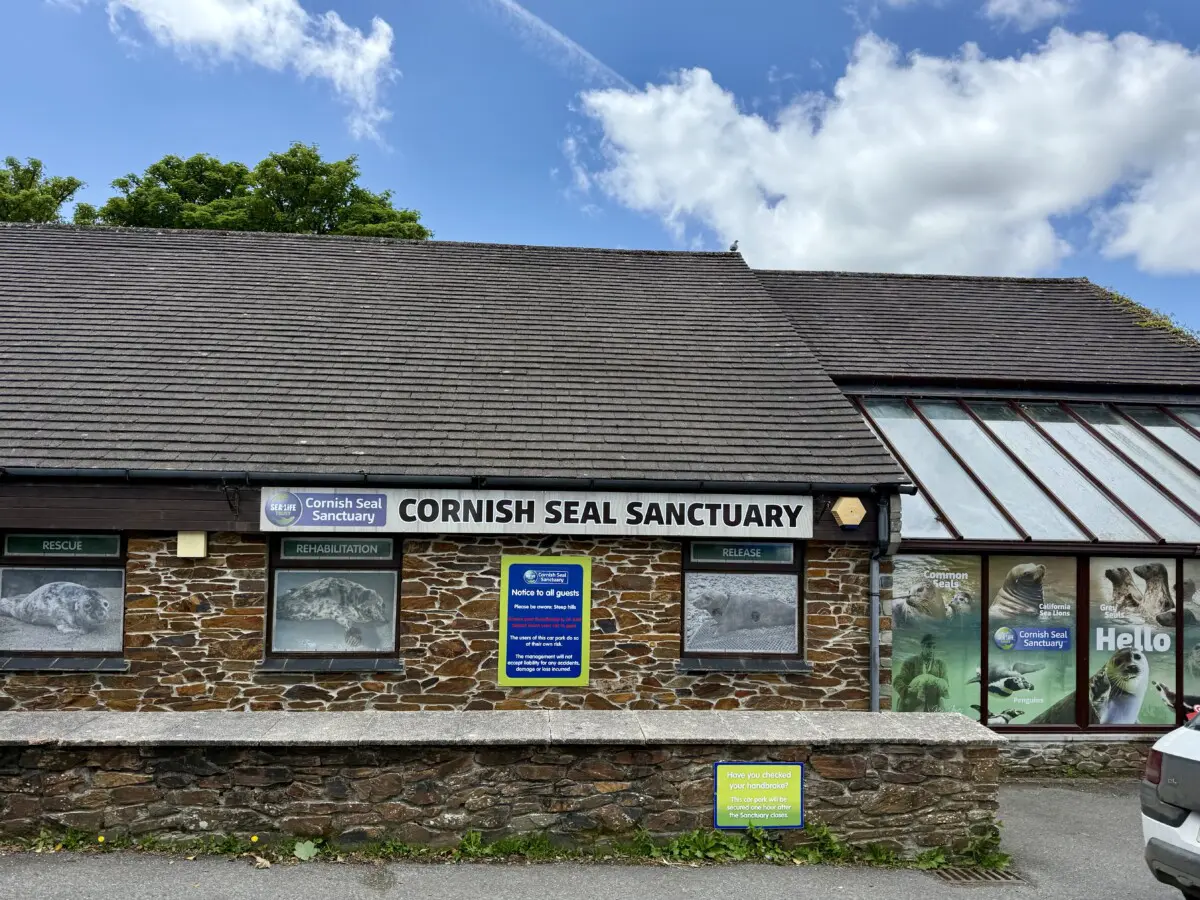
The Cornish Seal Sanctuary has been on my list to visit when in Cornwall for a few years. We fell in love with Cornwall on our first visit and ever since we spent a few weeks there every year. What’s great about Cornwall that it’s so much to do as a family with children at every season: we have spent spring and autumn half terms there as well as summertime – we have never been in winter but maybe a Christmas visit is due. Having said that, probably that would be a little too chilly and wet. But maybe! So this last time, only a few days ago, we were on our now yearly May half-term trip to Devon and Cornwall, starting in the area of Saltash and day-tripping to whatever is about an hour drive each way. The Cornish Seal Sanctuary was a little beyond this as it took about an hour and a half to get there but we stopped for a little mid morning mooching around in Falmouth and drove Gweek where the seal sanctuary is. I had really high expectations and the sanctuary was on my Cornish wish list for a while.
 About the Cornish Seal Sanctuary
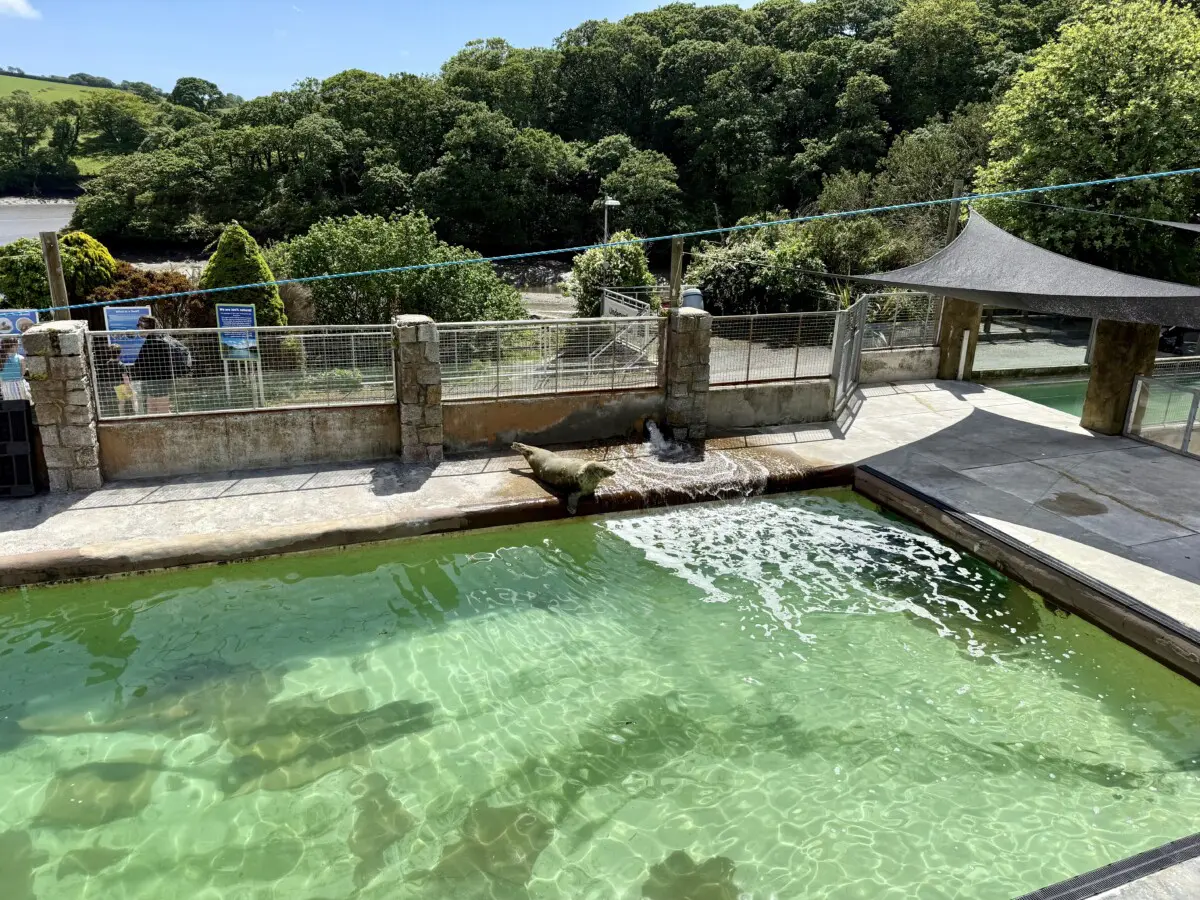
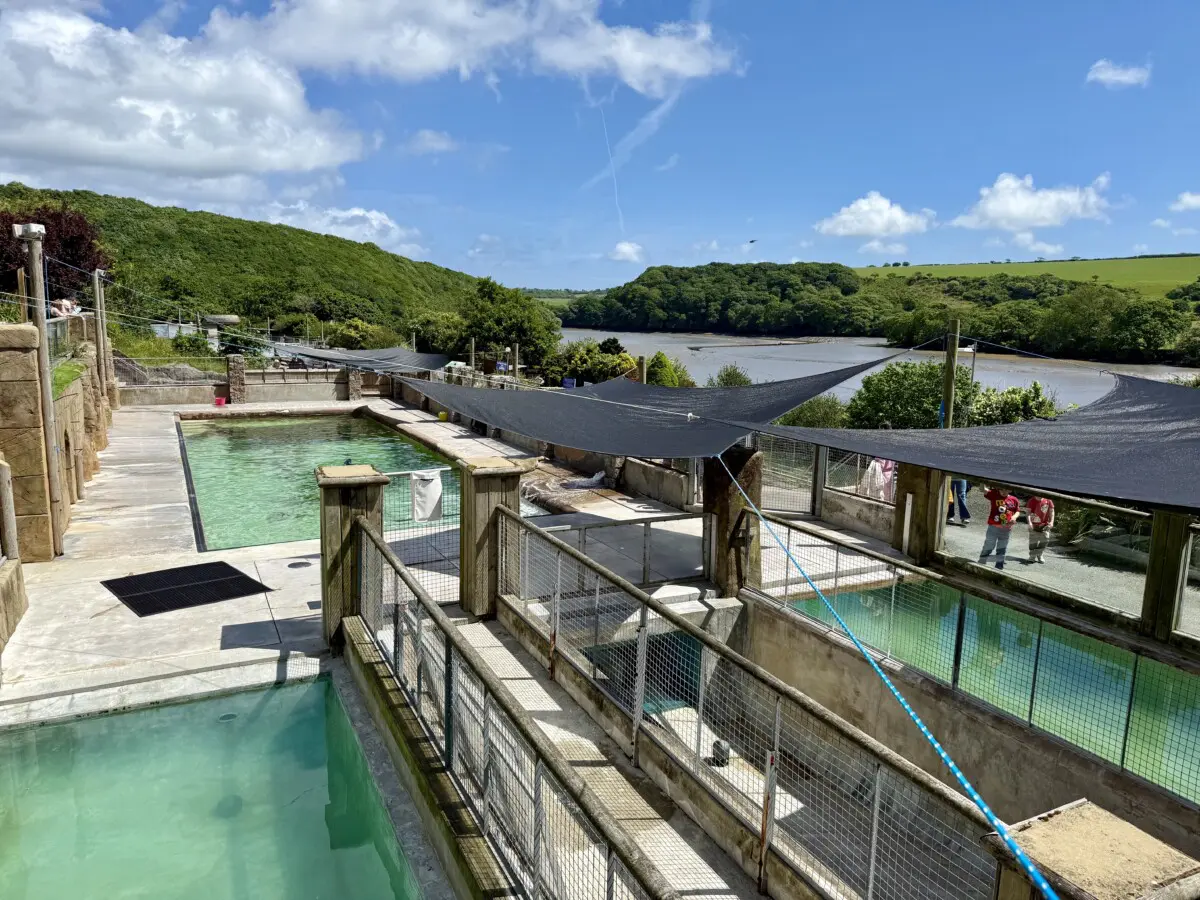
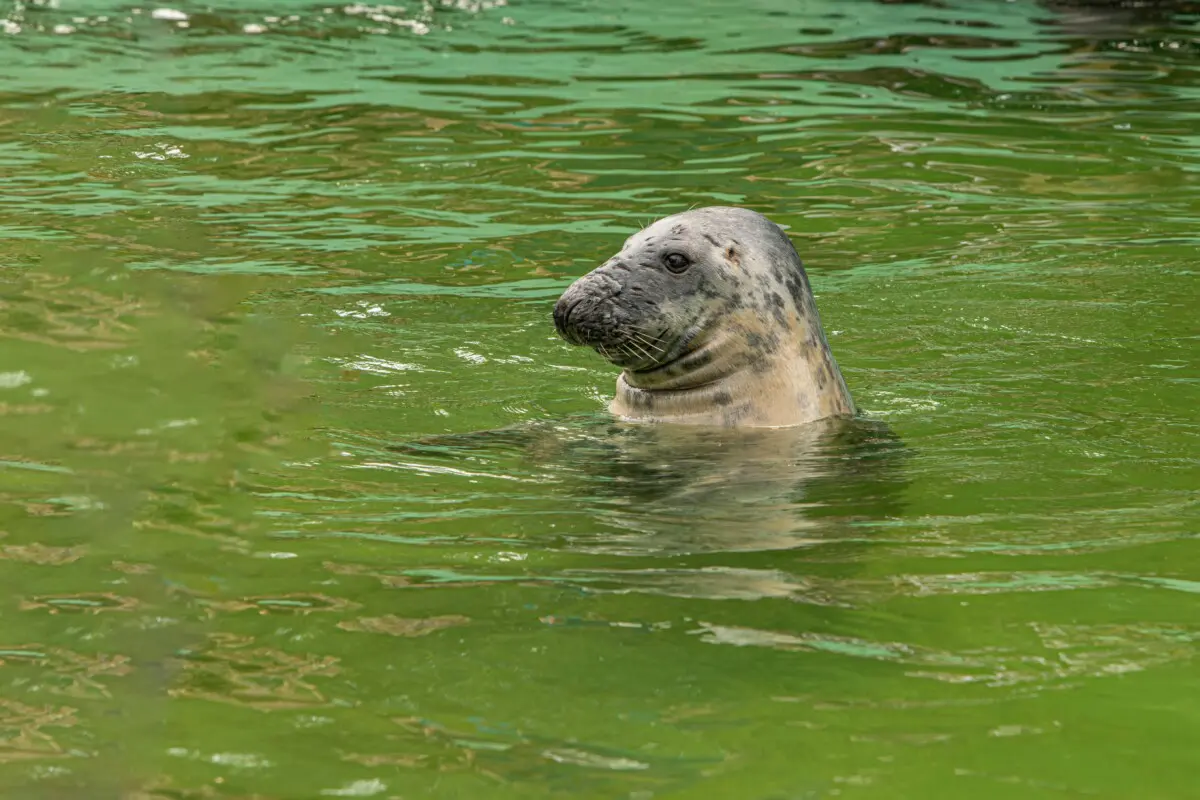
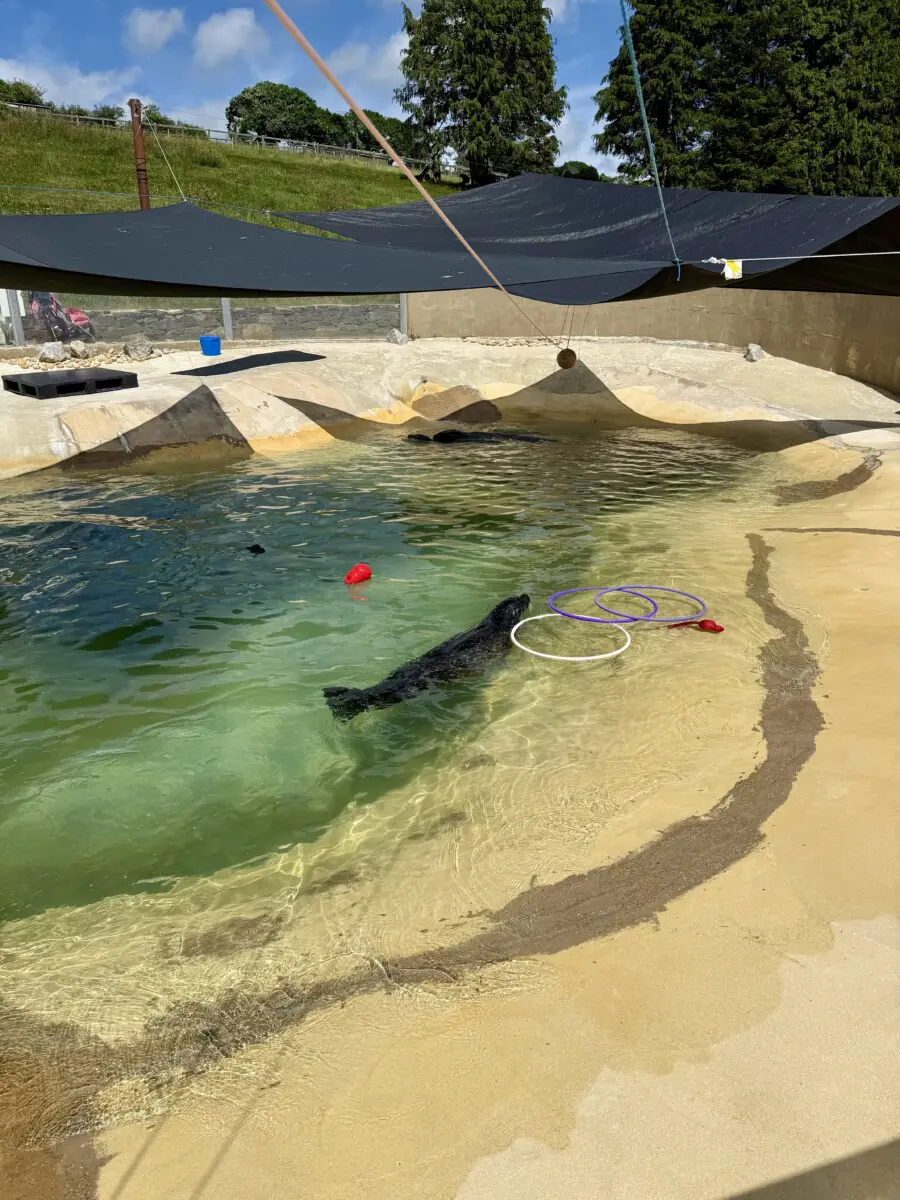
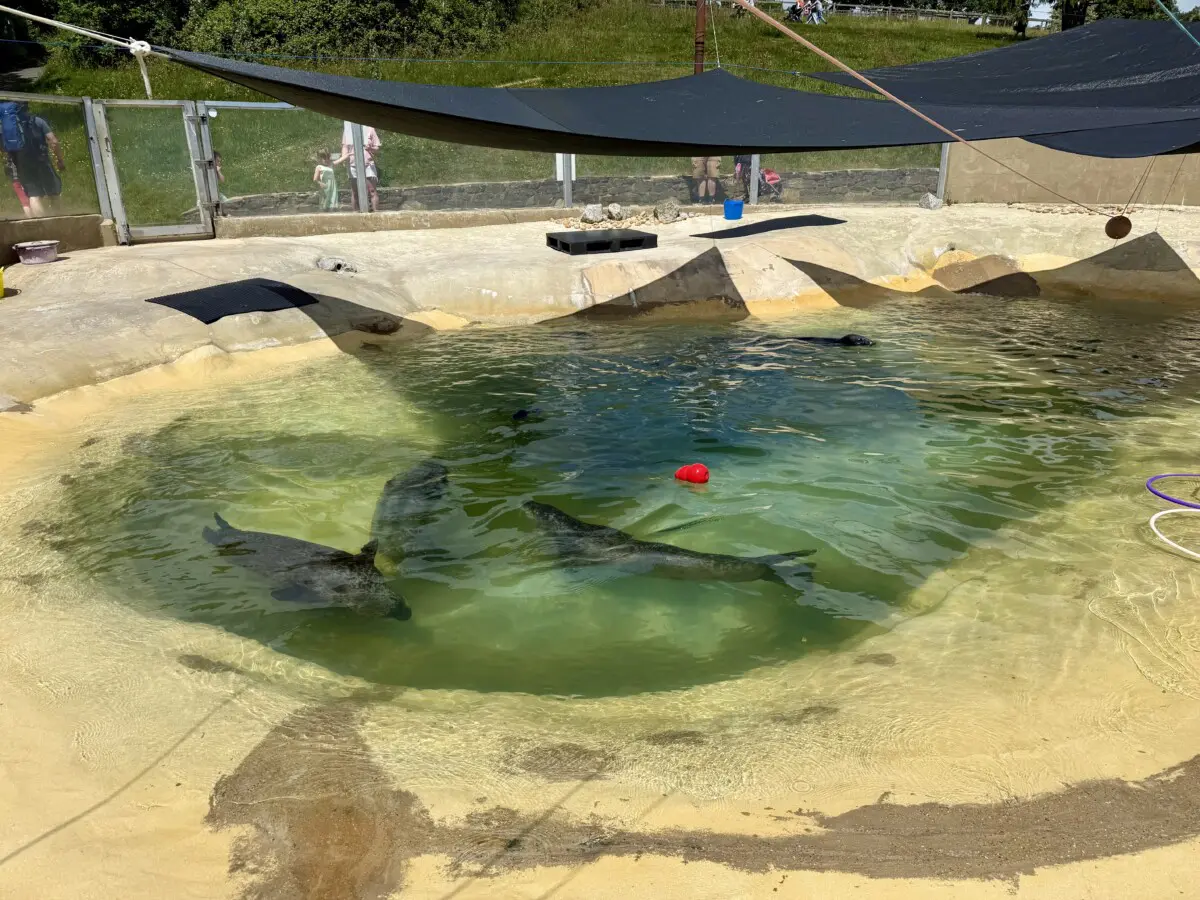
Belonging to the Sea Life Trust along with the Beluga Whale Sanctuary that’s located in Iceland, the Cornish Seal Sanctuary is part of a global effort to protect our oceans and marine life. It’s main purpose is to rescue, rehabilitate grey seal pups from around the Cornish coastline and provide a permanent home to seals that unfortunately cannot be released to the wild again due to health problems, old age and other reasons. The rescued seal pups end up in the sanctuary for a number of reasons and being found separated from their mums. They then spend 4-6 months on average is the Cornish Seal Sanctuary and nursed back to health in the Seal Hospital. On average the sanctuary has between sixty and seventy seals pups in their care.
Address: Cornish Seal Sanctuary Gweek, Helston Cornwall TR12 6UG
slcgweek@sealifetrust.com
01326 221361
The history of the Cornish Seal Sanctuary
It was founded in 1958 by Ken Jones who found a baby seal in St Agnes. Ken started to run the rescue centre from his home where he built a small pool to help to rehabilitate seals and oiled birds. Outgrowing his own space at home, in 1975 the Seal Sanctuary moved to its new and permanent site at Gweek, where Ken slowly built up the sanctuary to what it is today, with 5 pools and a seal hospital.
What animals live in the Cornish Seal Sanctuary?
 What animals live in the Cornish Seal Sanctuary?
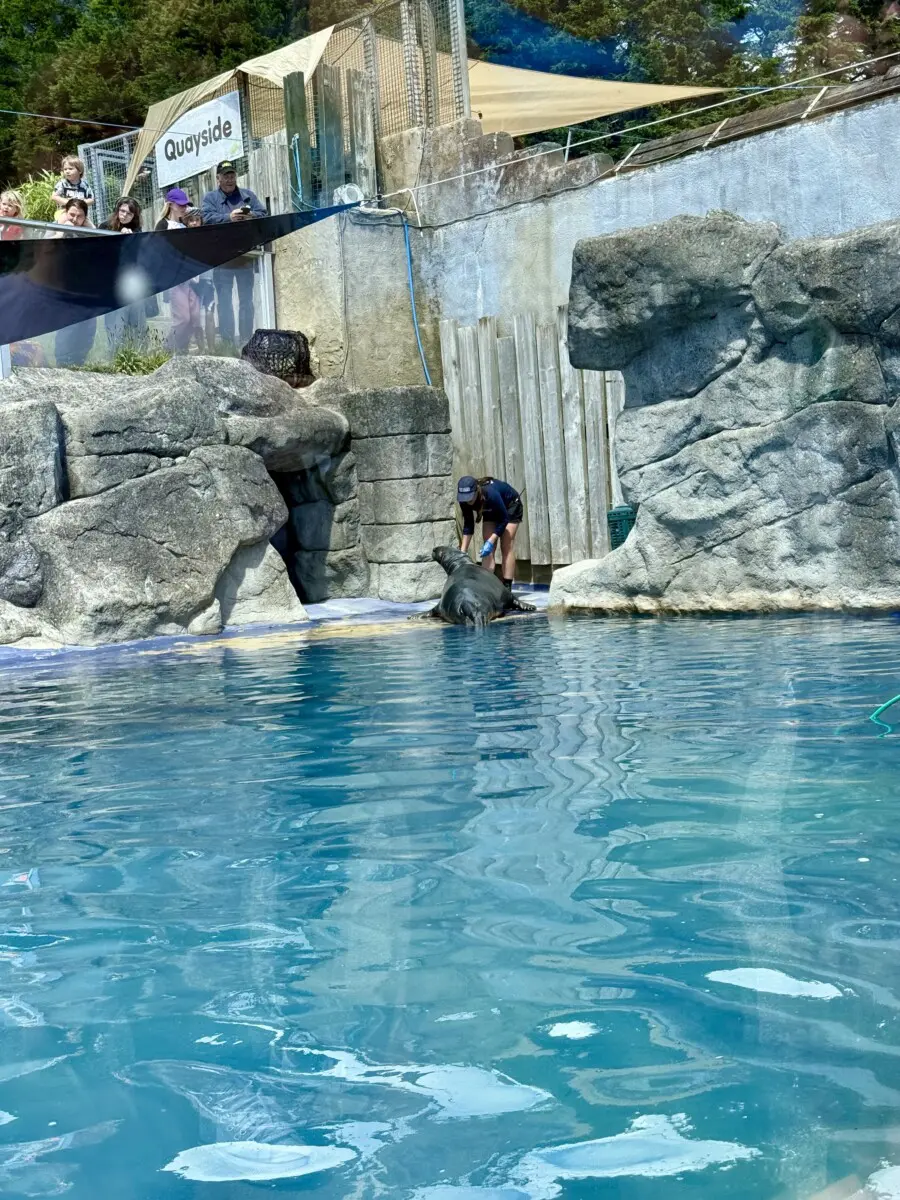
- Grey seals and common seals in different pools
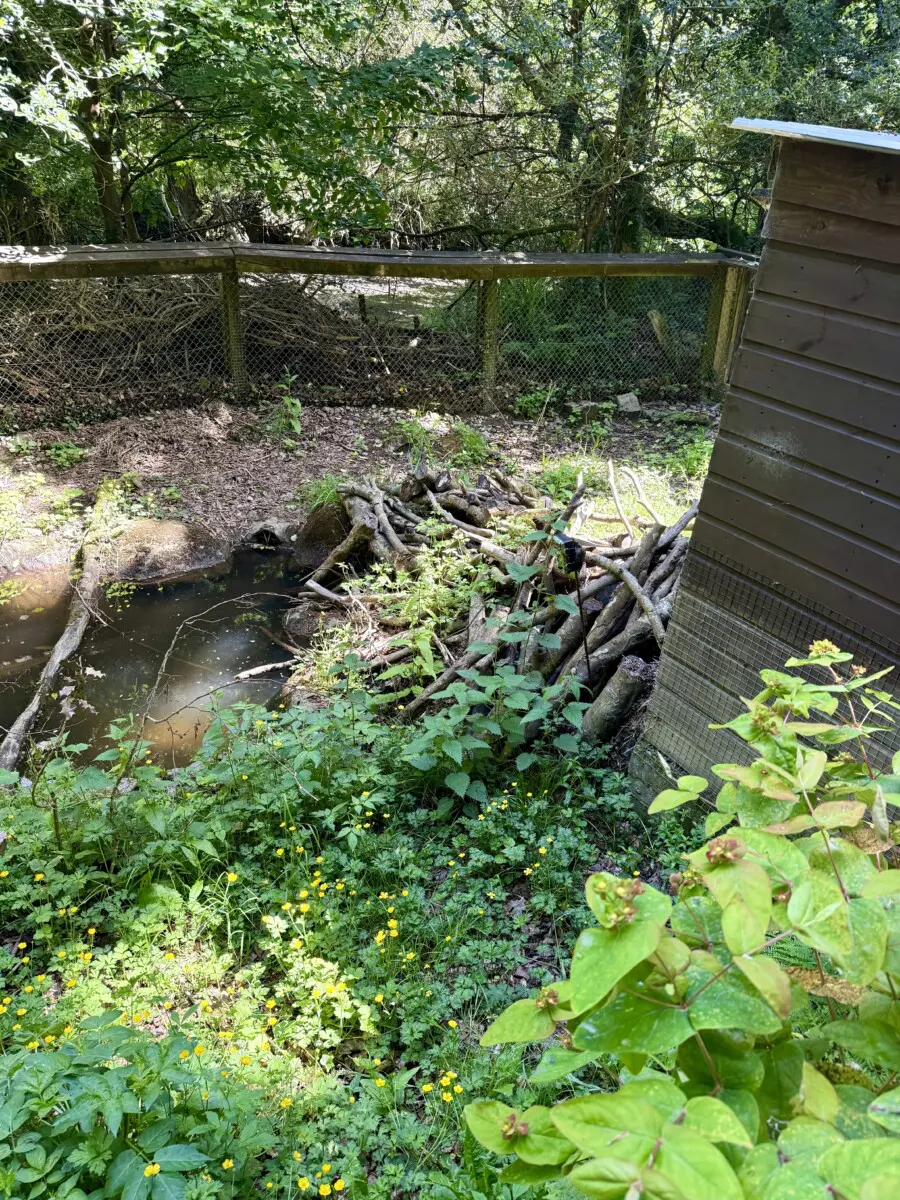
- Beavers – they have a their own habitat by the woodland trail, they aren’t around most of the time but you can marvel their dam. They are super happy in the sanctuary and welcomed new pups last year
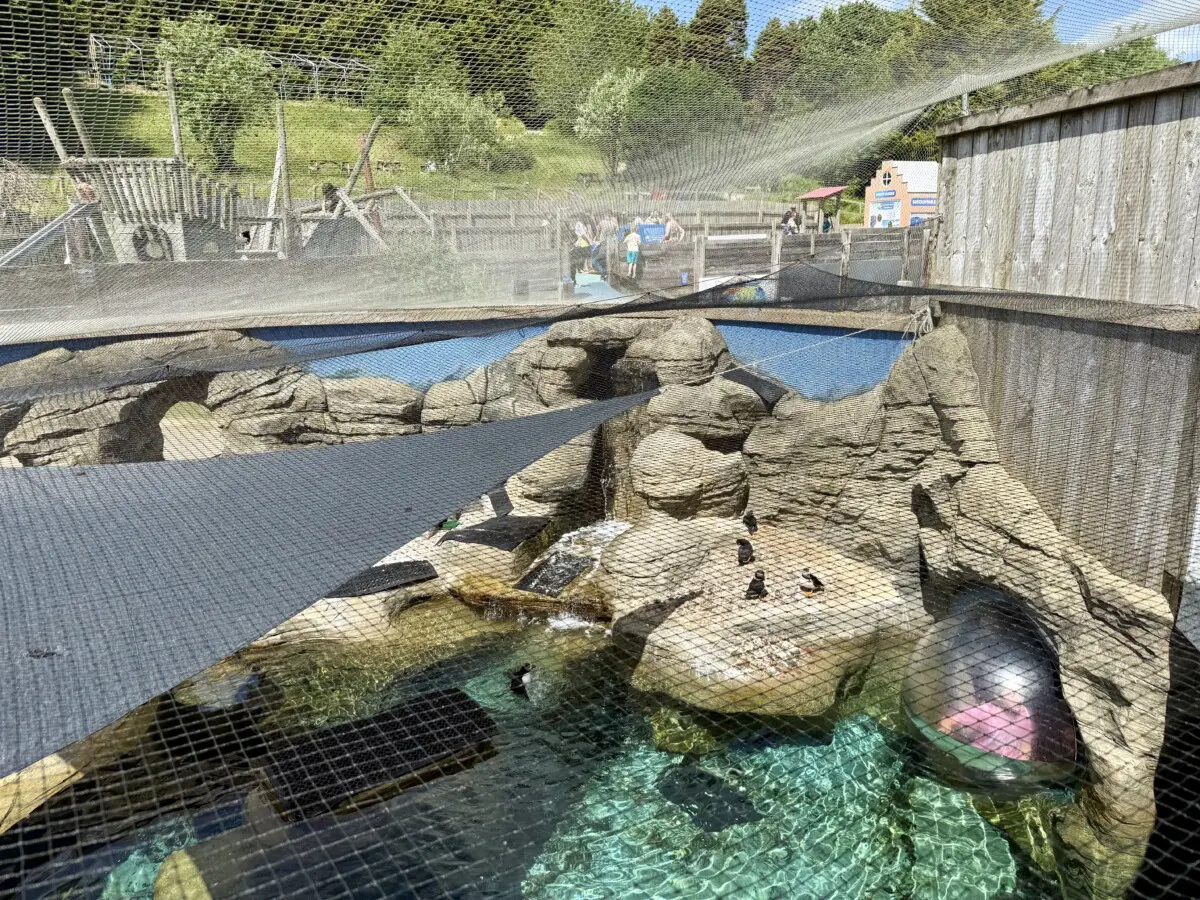
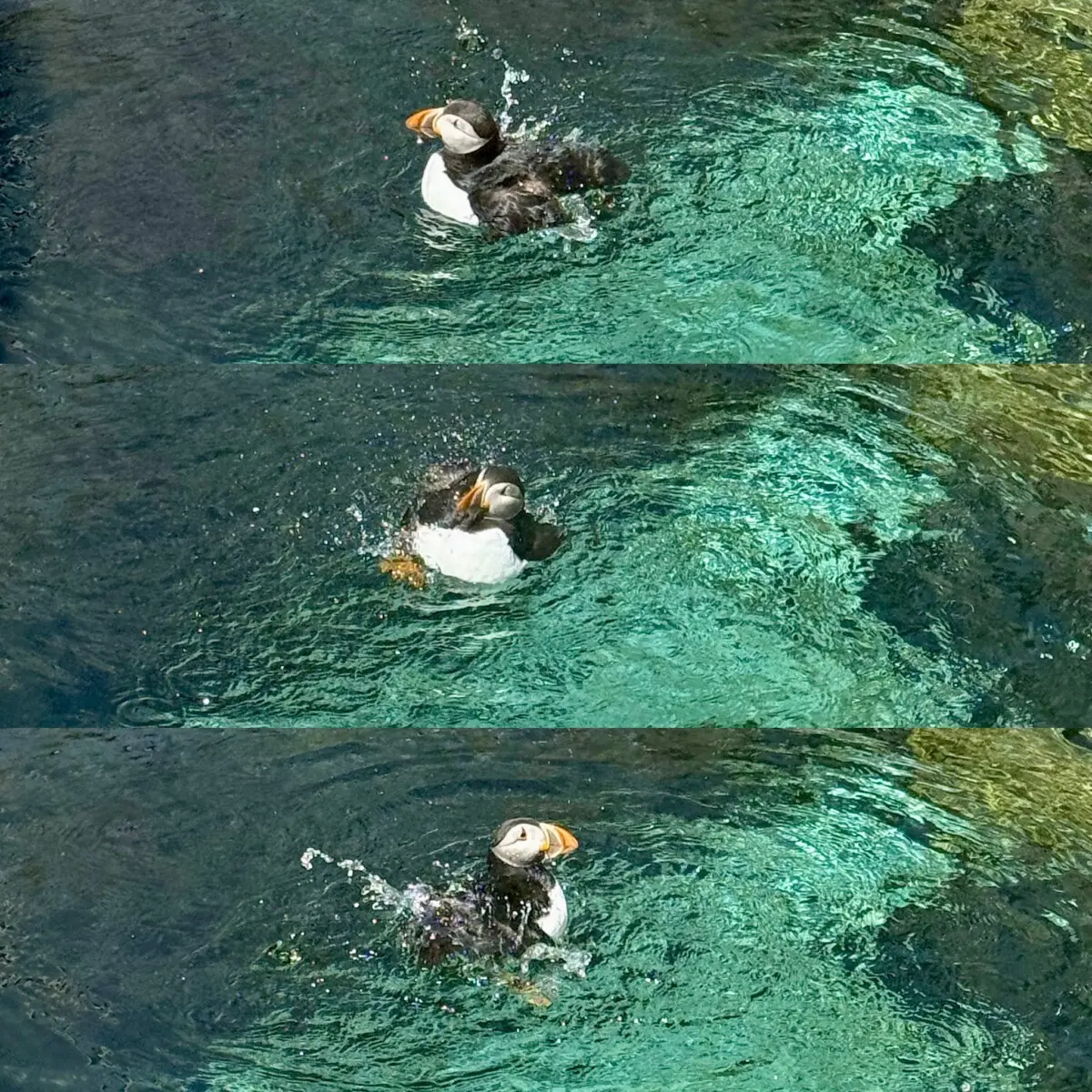
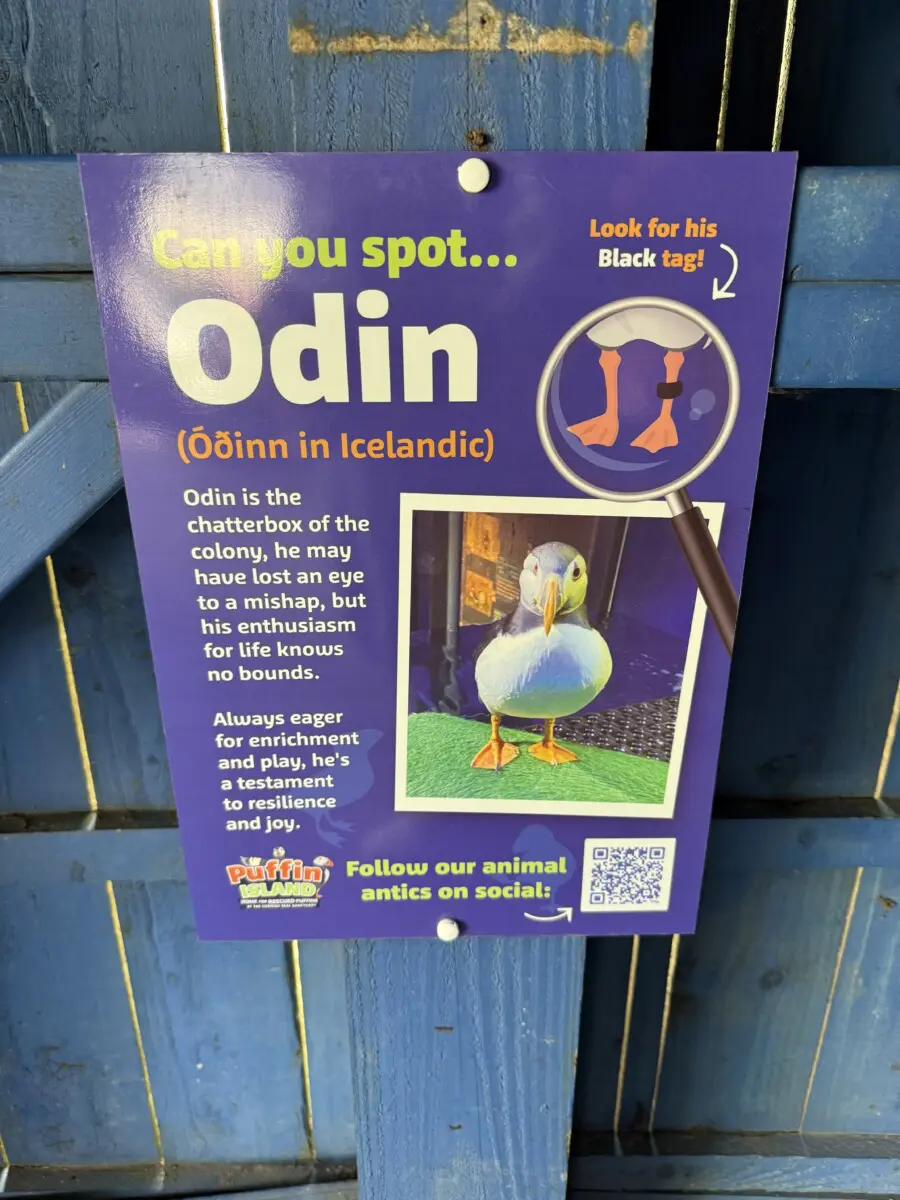
- Puffins – they have their own pool where they are loving life as we noticed! They are rescue puffins from Iceland.
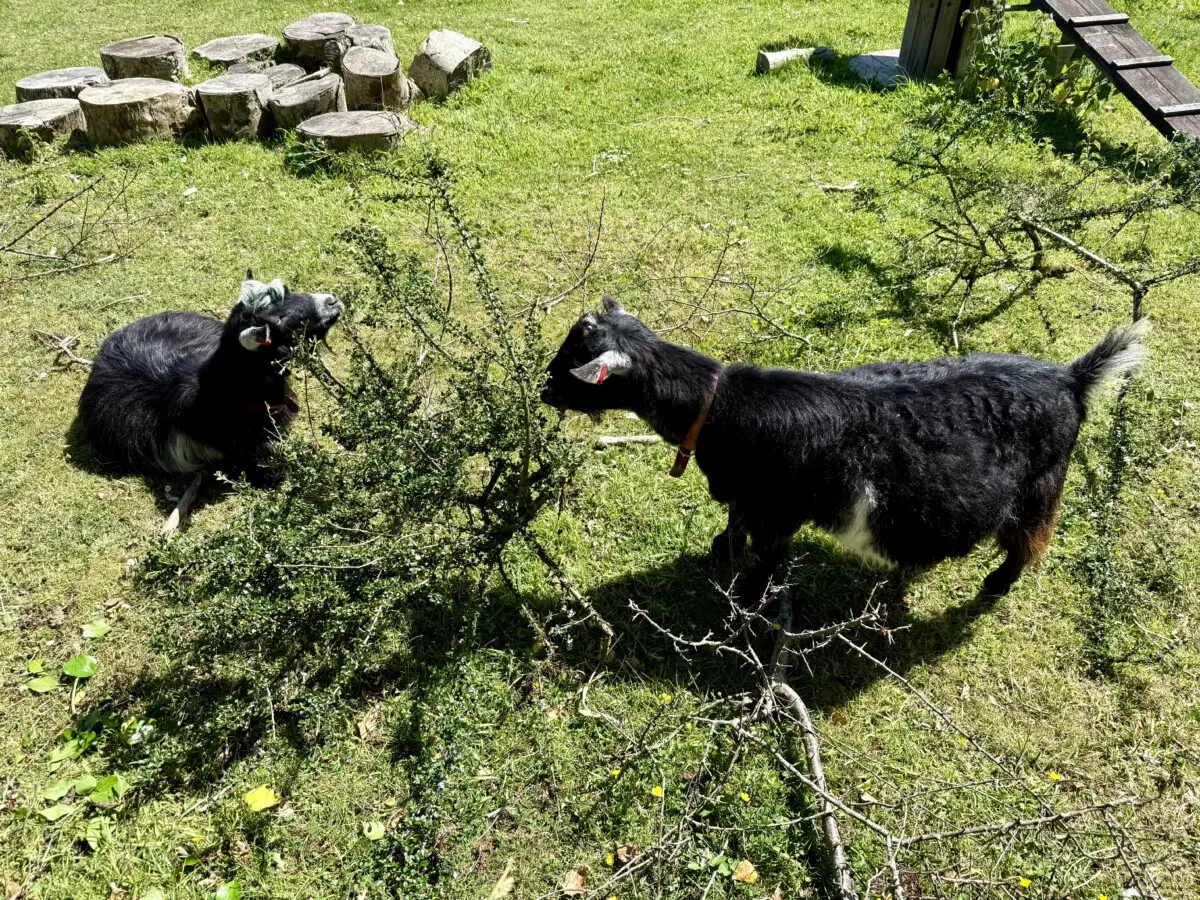
- Paddock animals like Pygmy goats and sheep
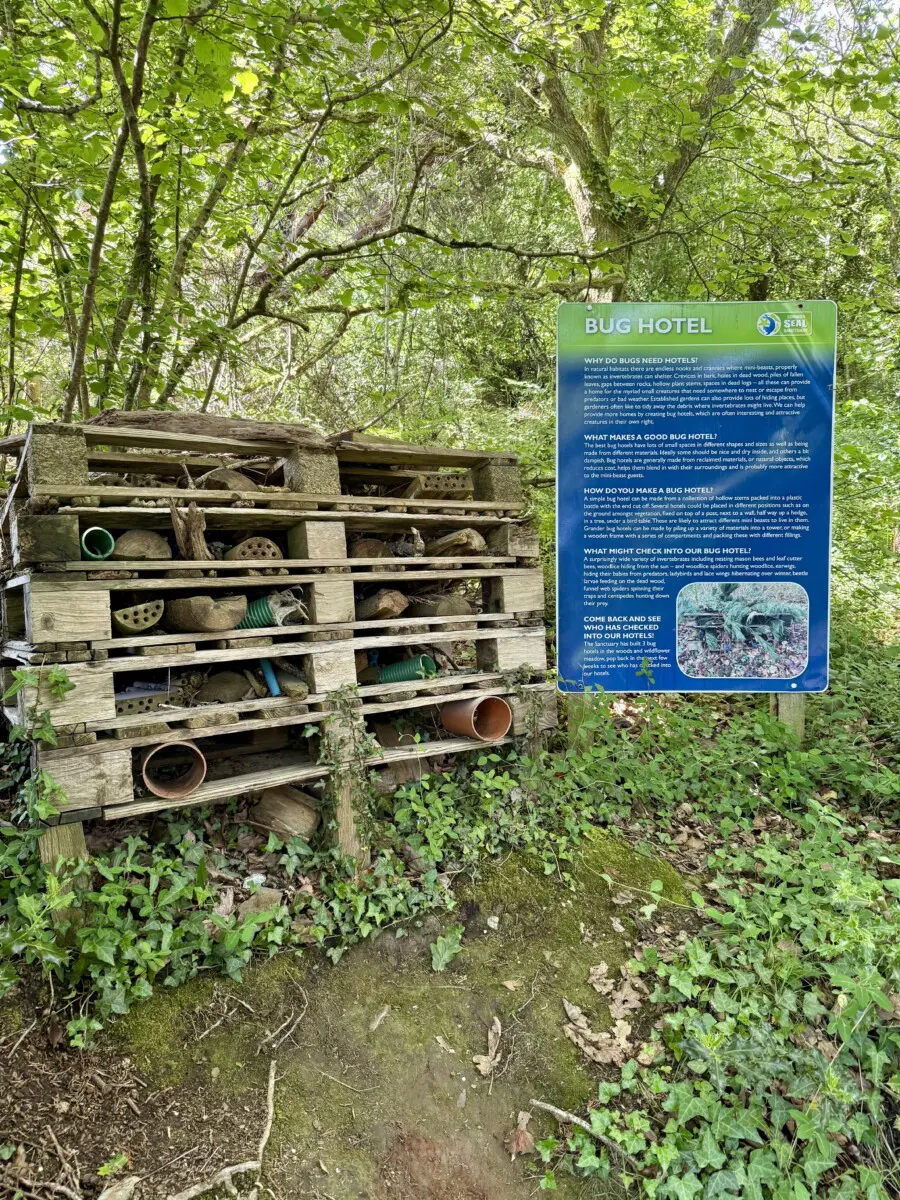
- Bees in the bee hotel
Amenities at the Cornish Seal Sanctuary
There is a little cafe (with undercover seating) with snacks and drinks – they have a water bottle refill there, a playground and gift shop and car park. Apart from the animal enclosures, there is a woodland quiz trail,
The sanctuary is open all year and they have many events throughout the year, you can check this page here for the latest events planned.
Good to know
- Open every day (except Christmas Day) from 10:00am to 5:00pm, with last admissions at 4:00pm
- Dogs are welcome
- Tickets cost £22.99 for an adult and £19.99 for a child but there are discounted family tickets and other concessions. They are valid for 12 months so you can visit multiple times during the year
- No pre-booking but they offer 20% discount for early bookings on the website
- There is a car park
- It is jabout half an hour drive from Truro, Penzance and St Ives, and under an hour from Newquay
- You’ll walk a lot as the sanctuary is spread out on 40 acres – so if you want to see everything, be prepared for that
- the sanctuary is a designated site of special scientific interest and an area of outstanding natural beauty
What did we think about our visit?
Well, we loved every minute of it. We arrived fairly late, past 2pm so we only had 2-3 hours to spend in the sanctuary – I wished we had more time.
We chose to pay the full price to support the Cornish Seal Sanctuary and did not take advantage of Assisting Carer ticket for Bobcat.
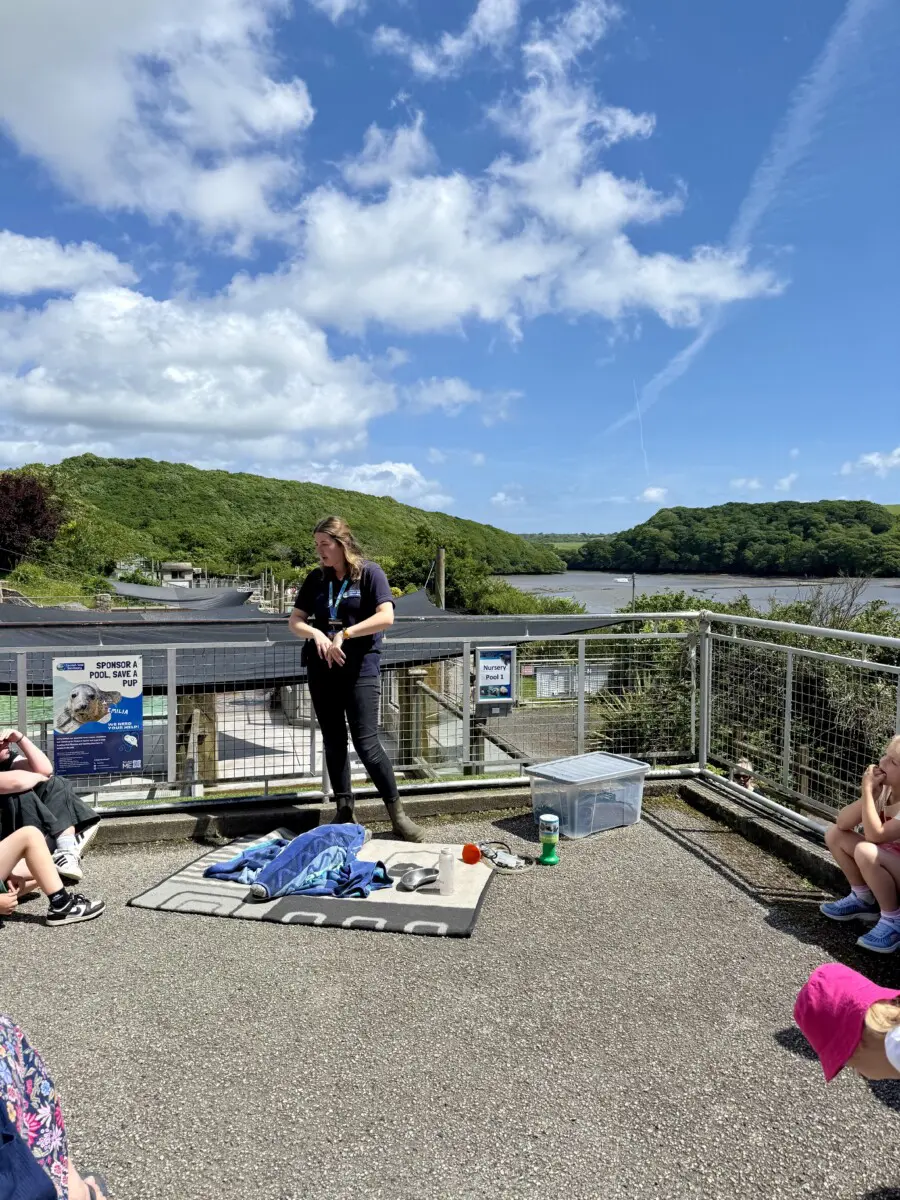
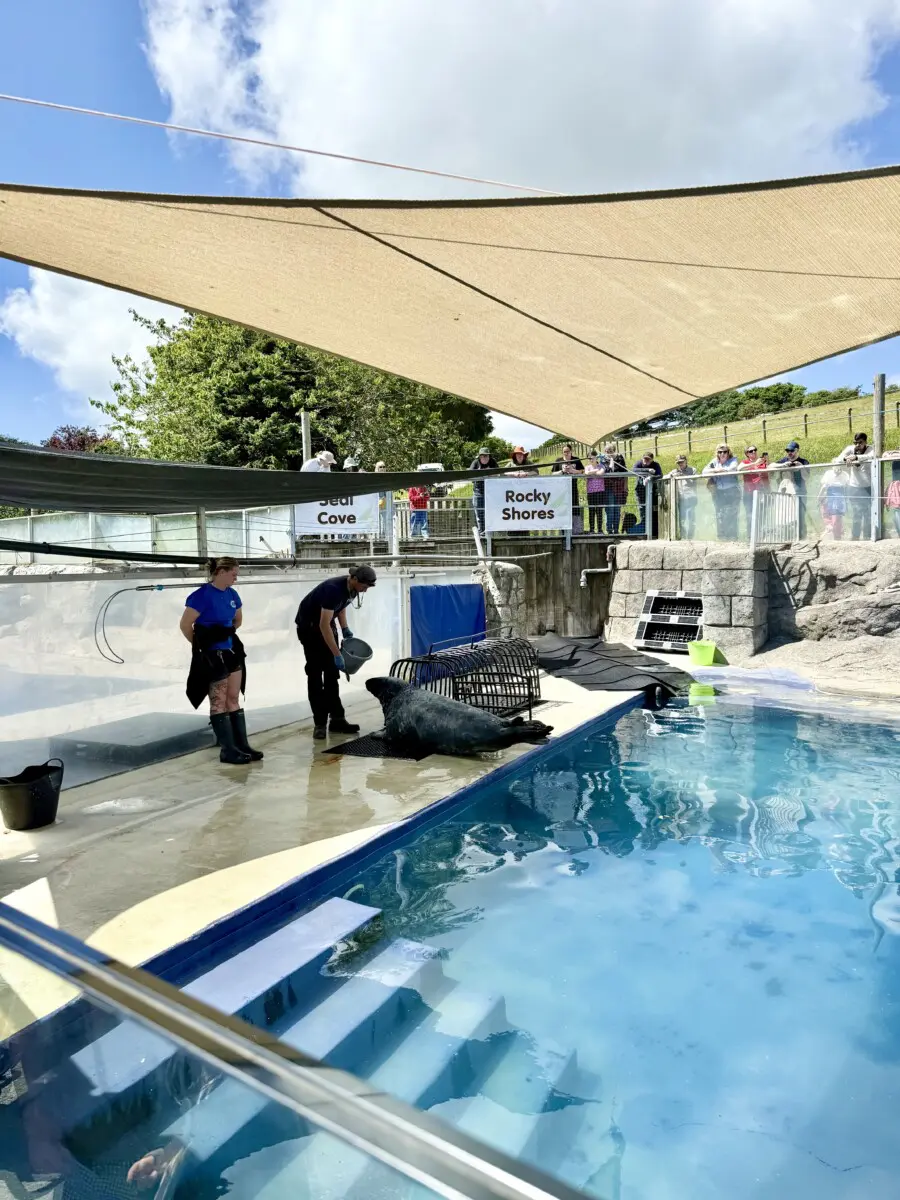
We walked to the seal pools first and attended a feeding session and listened to rescue talks. (There are several feeding sessions and talks during the day) They were both very informative and we’ve learnt that the resident seals have long term health conditions or due to other injuries they cannot be released. It was a warm afternoon so we had ice cream from the cafe. The kids enjoyed walking through the the tunnel – from here, you can see the seals swimming underwater.
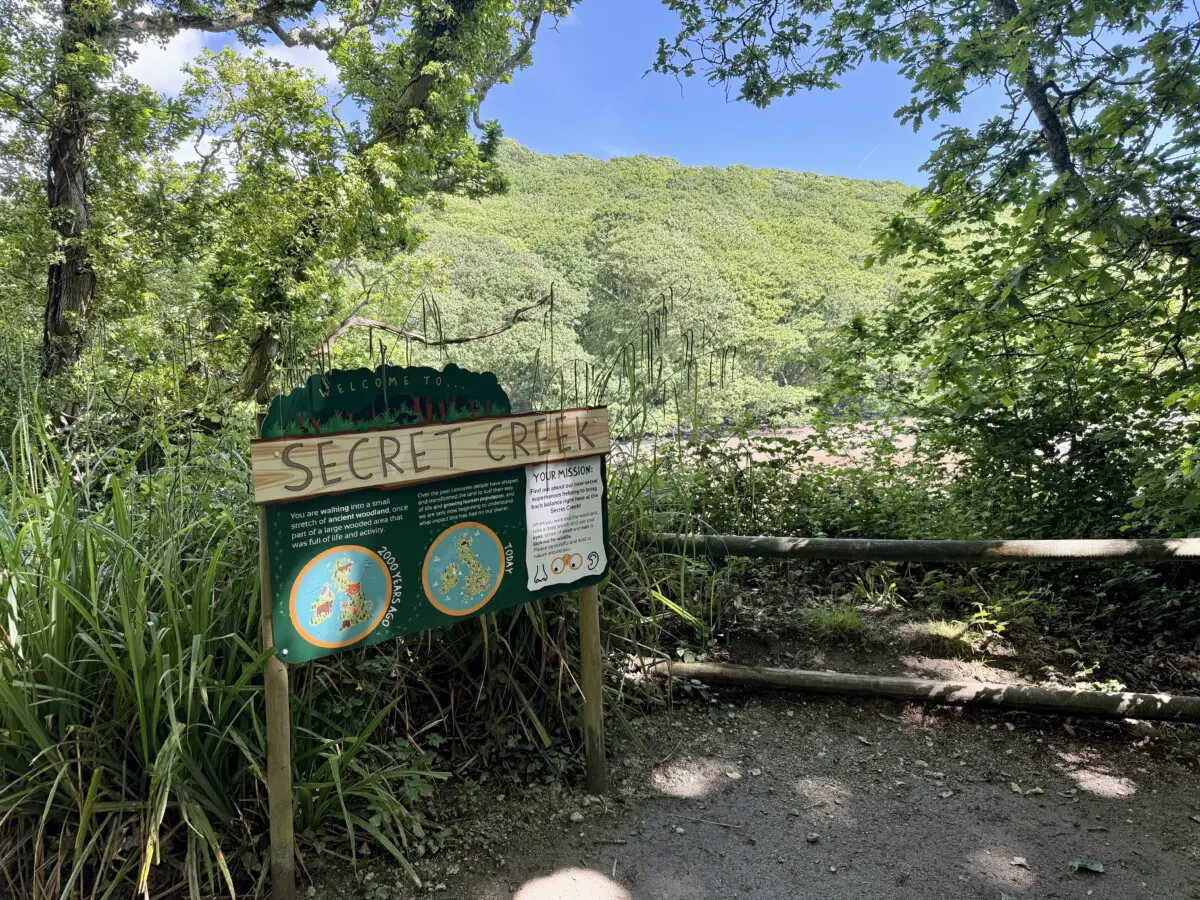
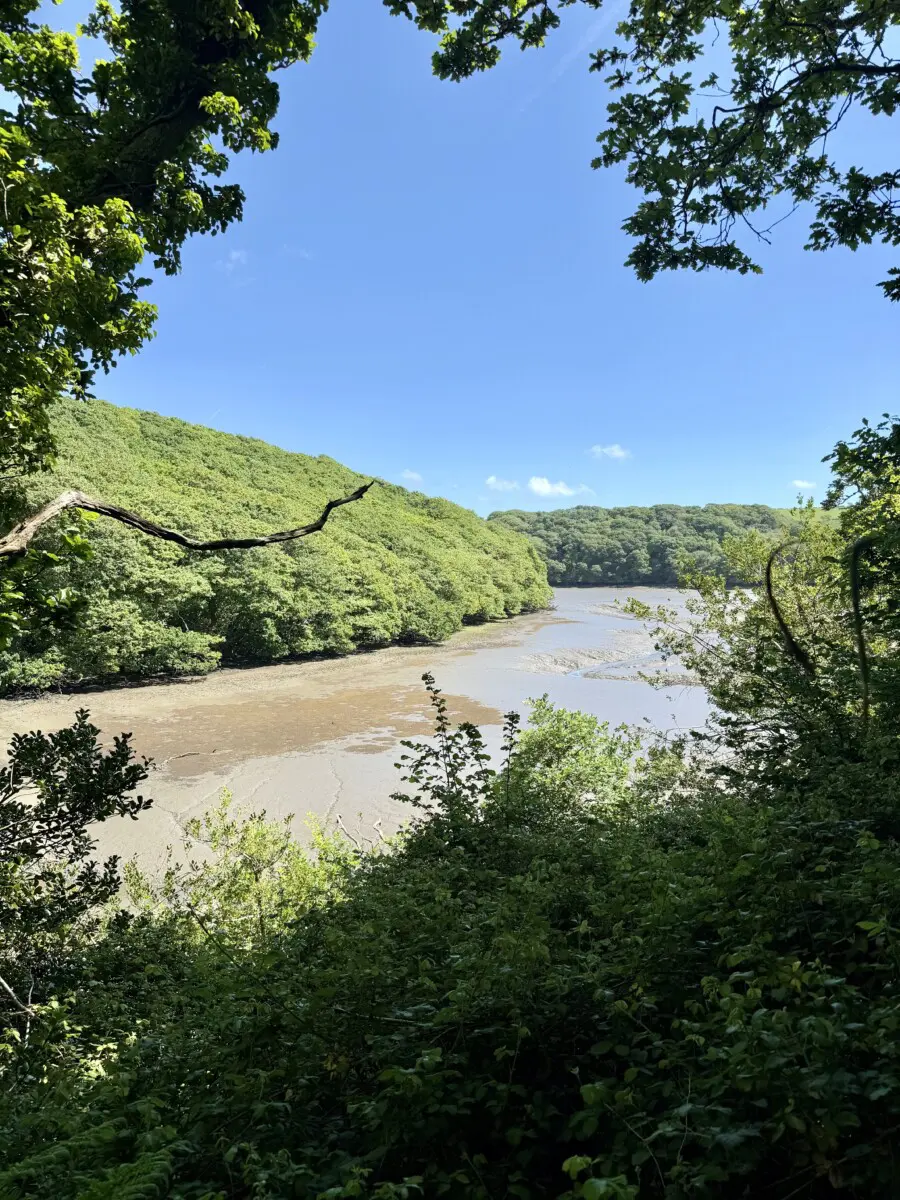
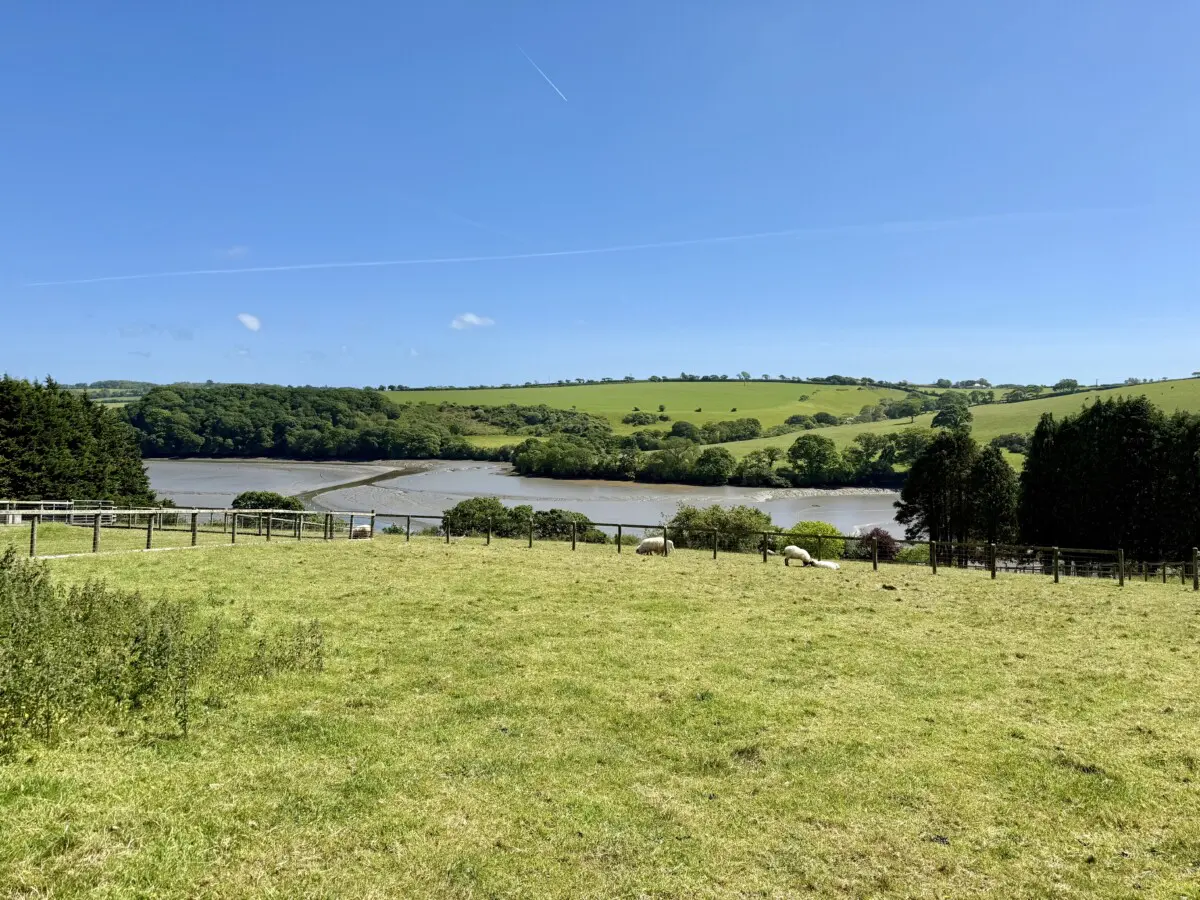
We then visited Puffin Island and watched the very happy puffins enjoying their new habitat (they only arrived to the sanctuary last year). After that we walked through the Secret Creek which was really beautiful with views over the river Helford.
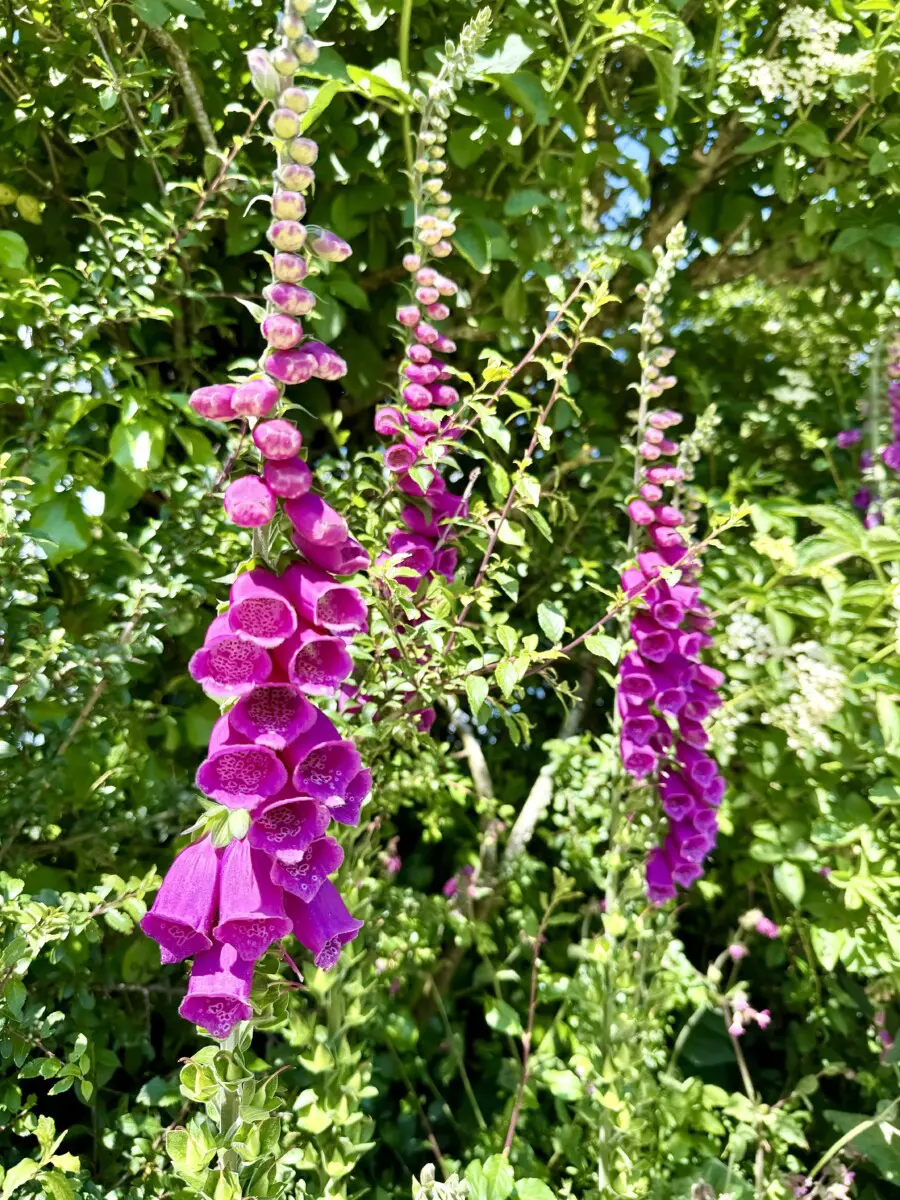
Finally we walked to the top of the hill to see the paddock animals too. We spotted beautiful wildflowers and the hilltop views were also fantastic.
The only thing we didn’t get to see was the Seal Hospital – because there were no patients! This was great news, because all the sick pups recovered recently, however, I think it would be nice to keep the hospital facilities open for visitors – I for one, would have loved to see it.
What is the best time to visit the Cornish Seal Sanctuary?
Late spring and early summer is definitely the most pleasant weather-wise to stroll outdoors and the Secret Creak was just so alive, fresh green with meadow flowers and buzzing bees. The views are really beautiful. It’s also nice to listen to the talks outside in the sunshine and just watching the seals being playful in the pools. Having an ice cream from the cafe crowns the day!
Autumn must be also very pretty with the changing scenery but I’m not quite sure how winter and rainy weather would look like, it would surely affect the experience as the majority of the sanctuary is outside.
As I mentioned, you just never know when the seal hospital is having patients, so it might be closed for visitors just like when we visited.
2 comments
[…] Norfolk and Cornwall have matured into exceptional foodie destinations. Cornwall is well-known for its seafood—think freshly landed mackerel, crab sandwiches, and fine dining in […]
[…] nature lover and and often find animals to be far better company than humans. I recently visited a seal sanctuary which was quite the experience, but today i was happy to settle for a few ducks and my […]