
Table of Contents
We often pop to Richmond Park since we are lucky enough to live so close to Europe’s biggest public park. Particularly, because it’s on our way when we are visiting grandma in Barnes, so sometimes we make a day trip of it and even pop into the London Wetland Centre, our other favourite thing in the are. Inside Richmond Park though, there is a special place: Isabella Plantation. Special to us because my husband proposed me there. Special place in general for its outstanding beauty all over the year.
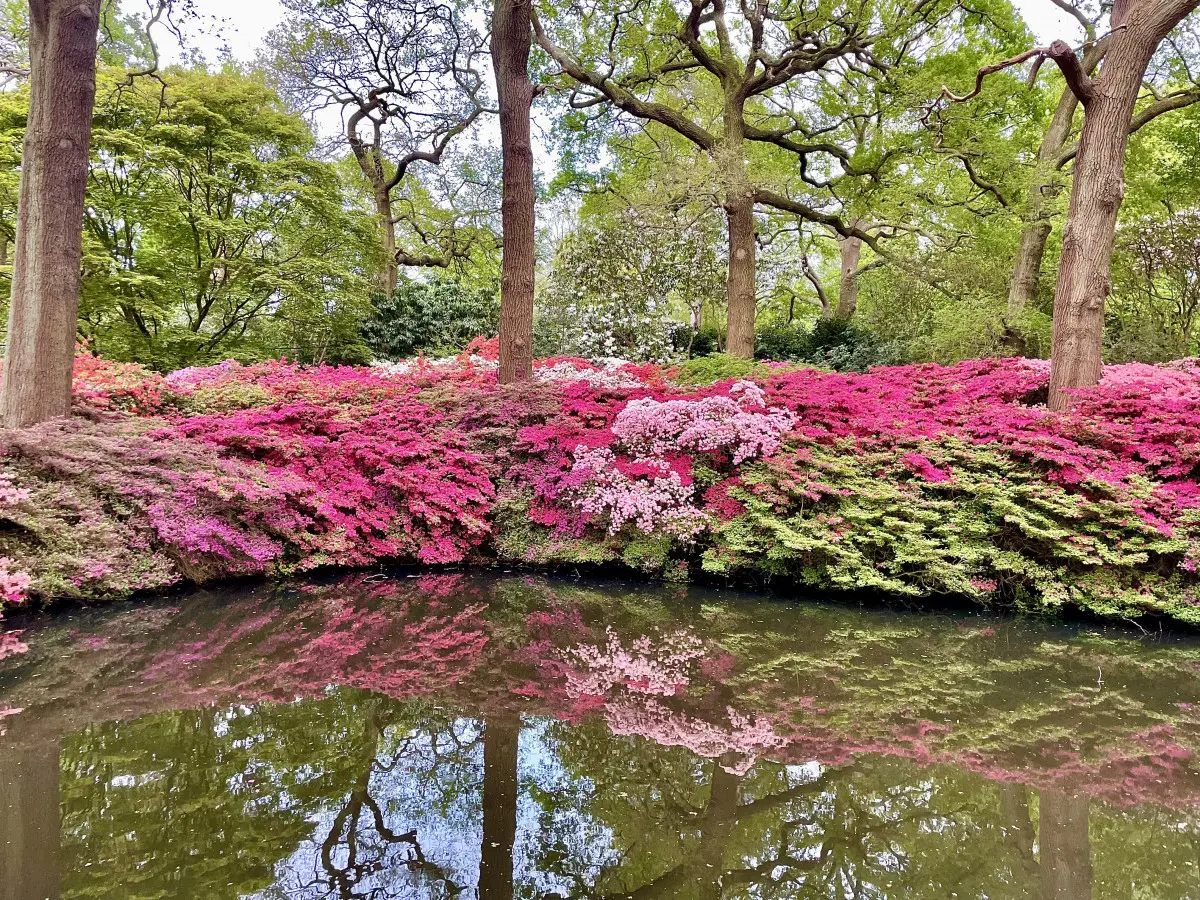
Where is Isabella Plantation?
Set in Richmond Park, London, the nearest car par is the Broomfield Hill Car Park then walk 500 yards to entrance.
About Isabella Plantation
A 40-acre garden with lawns and glades, streams and ponds. There are benches, toilets and areas suitable for picnic. Large collection of rhododendrons and azaleas, bog gardens with primulas, flowering heathers and evergreens.
The name Isabella is thought to have derived from Old English. Historic maps mark the plantation site as Isabell Slade – where Isabell is actually meant a colour, a not very nice, dingy yellow colour, possibly referring to the colour of the top soil in parts of the garden.
First opened to the public in 1953, Isabella Plantation is classified as part of the broader parkland Site of Special Scientific Interest (SSSI) and is run on organic principles with wildlife in mind. While Isabella Plantation was first enclosed in 1831, some trees in the garden, ancient oak pollards, pre-date the enclosure in 1637.
The ‘plantation’ took place when a damp area of Richmond Park was fenced off (in 1831 by the deputy park ranger, Lord Sidmouth) and planted with oak, beech and sweet chestnut trees for their timber. A later park superintendent, George Thomson, decided to make it a rhododendron garden in the 1950s. Isabella plantation has become a classic woodland garden in the gardenesque style – using the planting design principle of composing exotic plants as though they were native plants.
Open daily till dusk.
Why is Isabella Plantation is so Popular with Tourists?
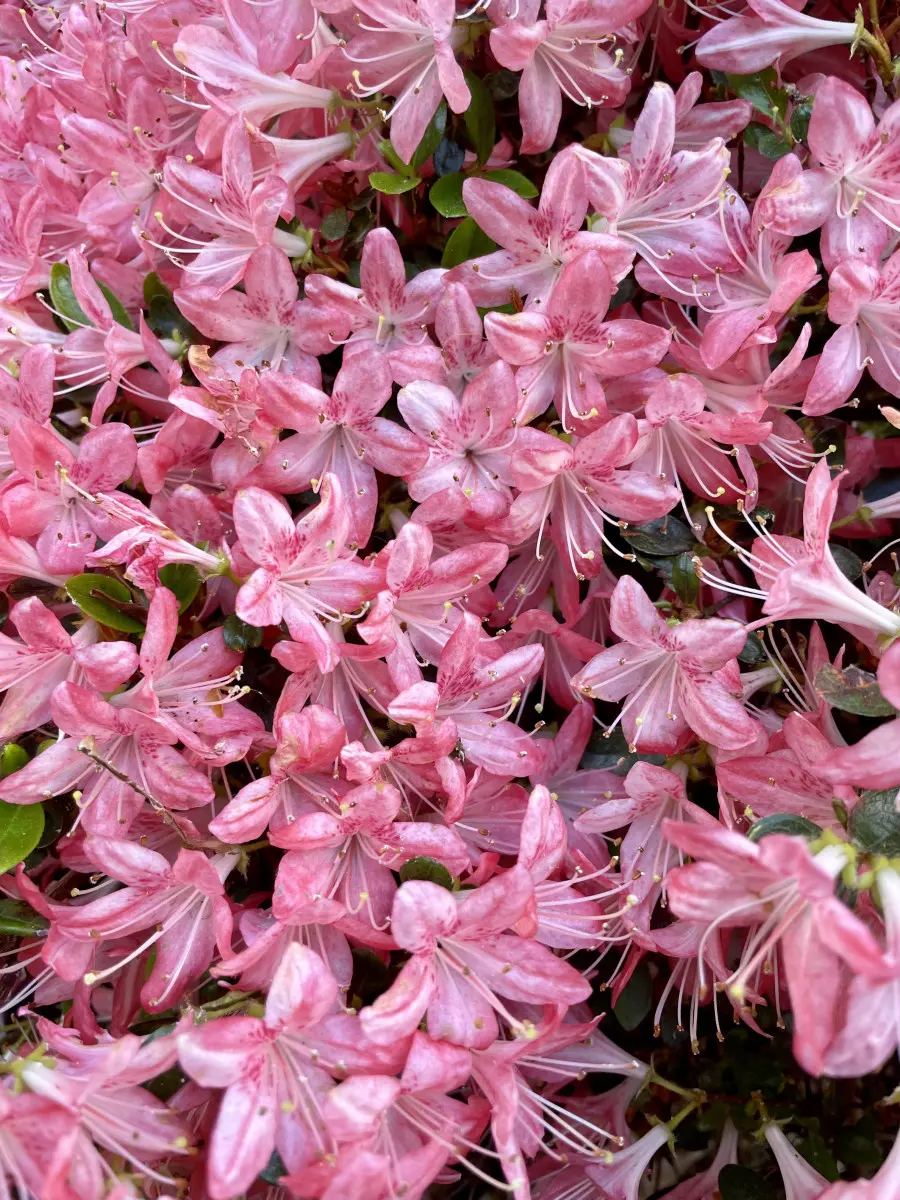
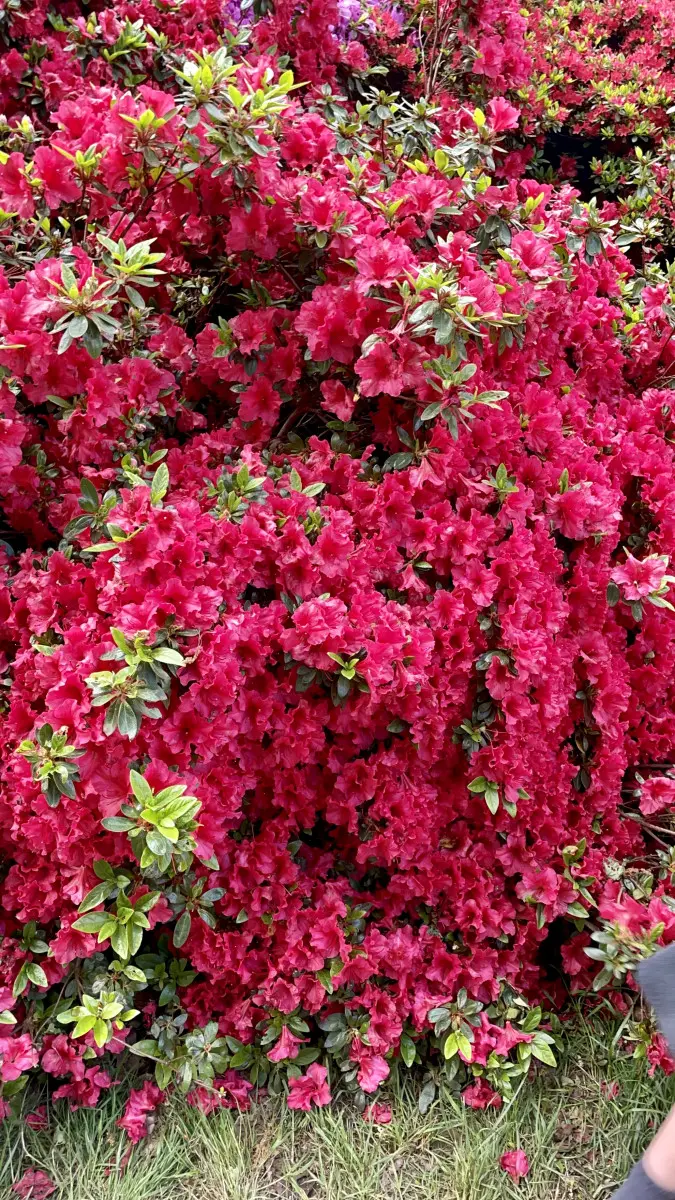
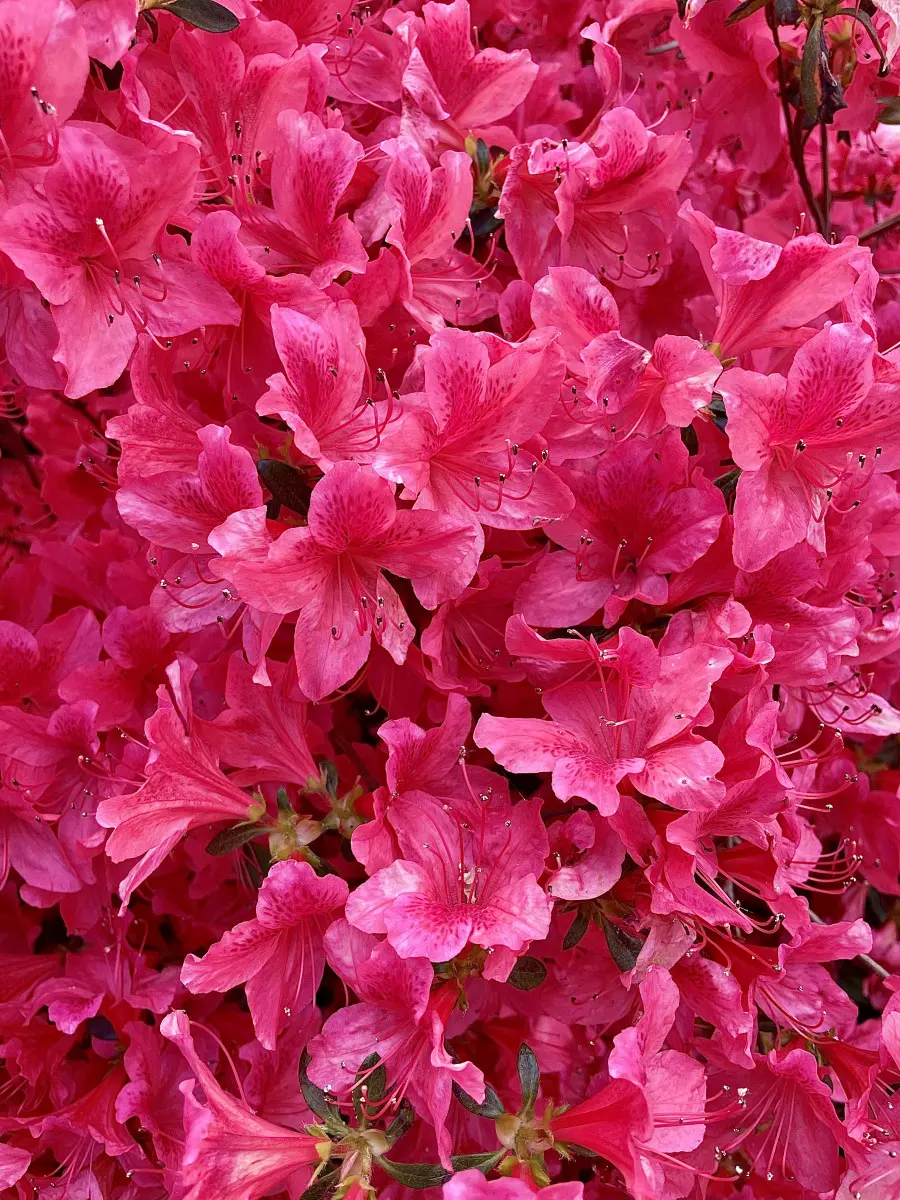
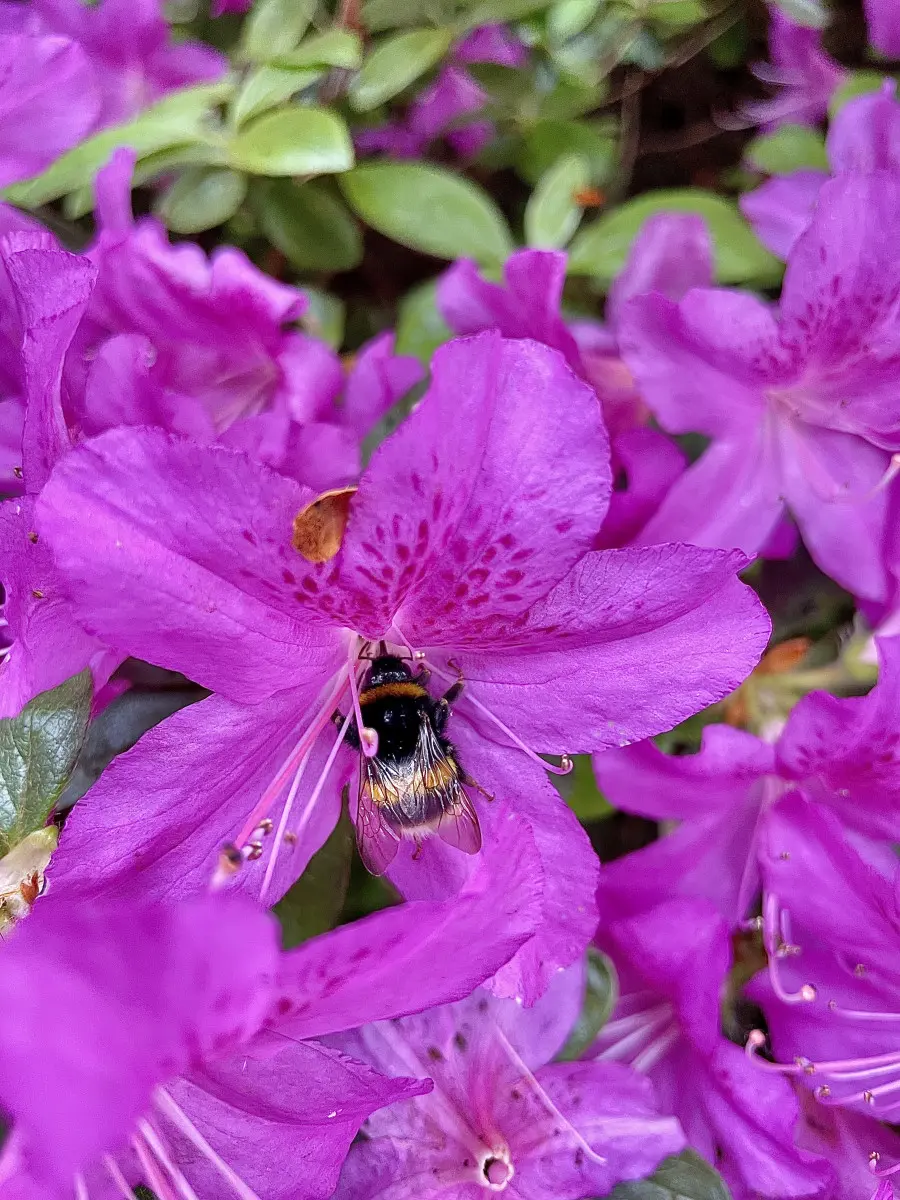
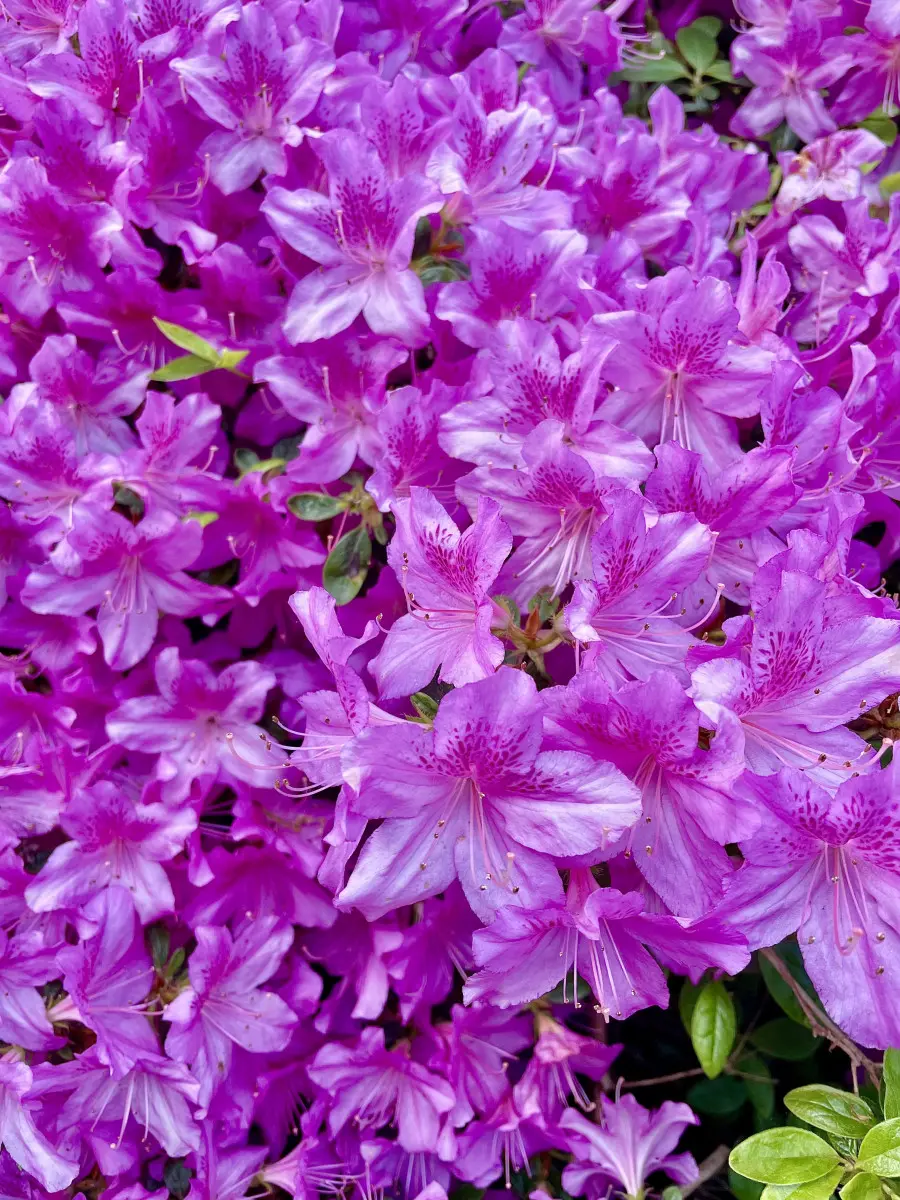
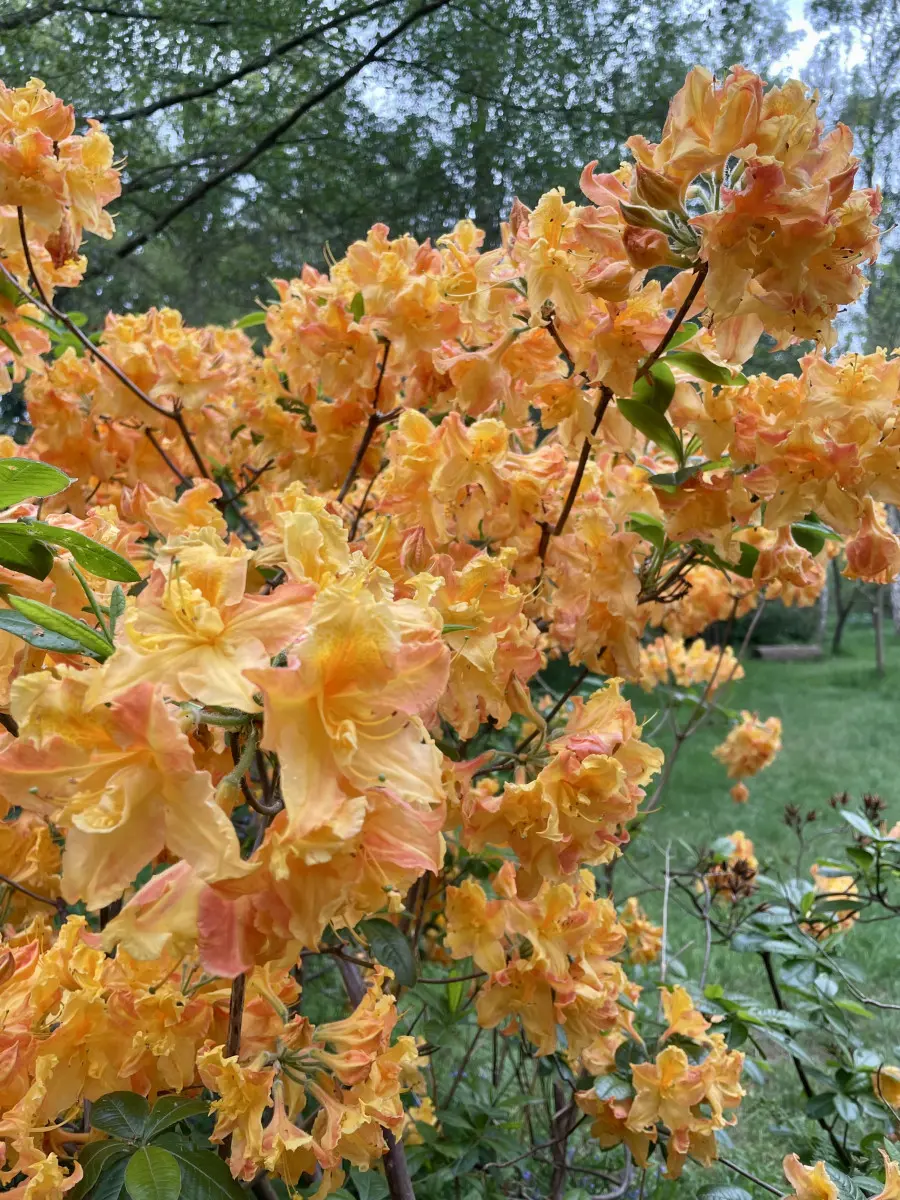
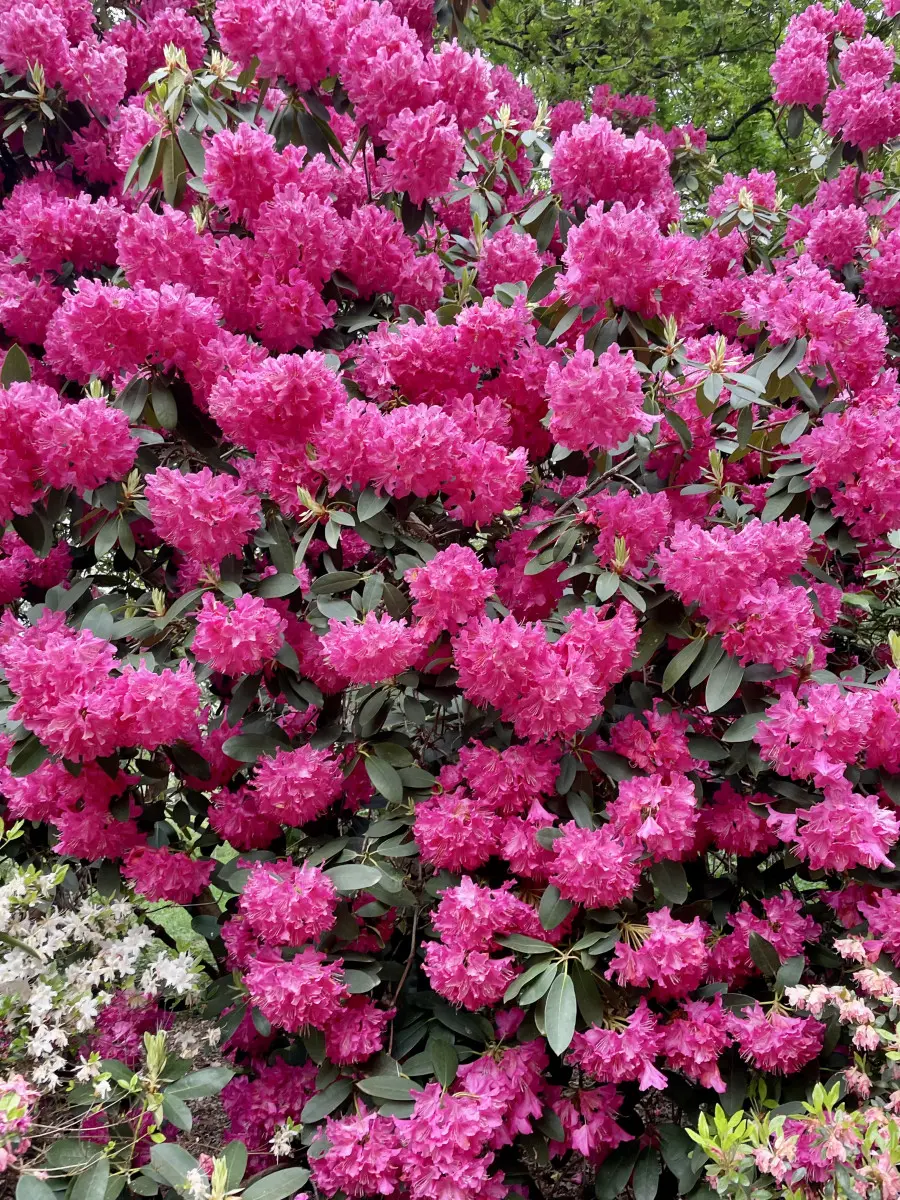
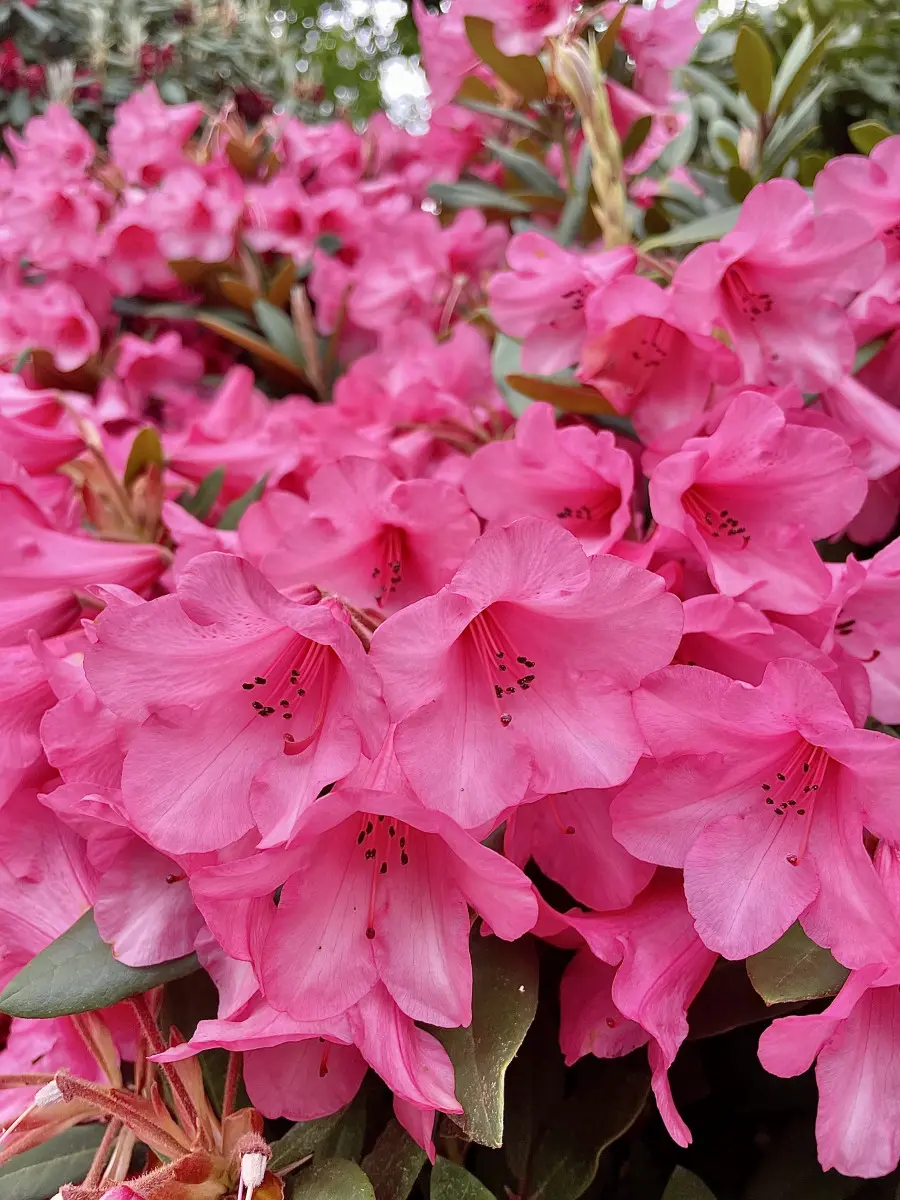
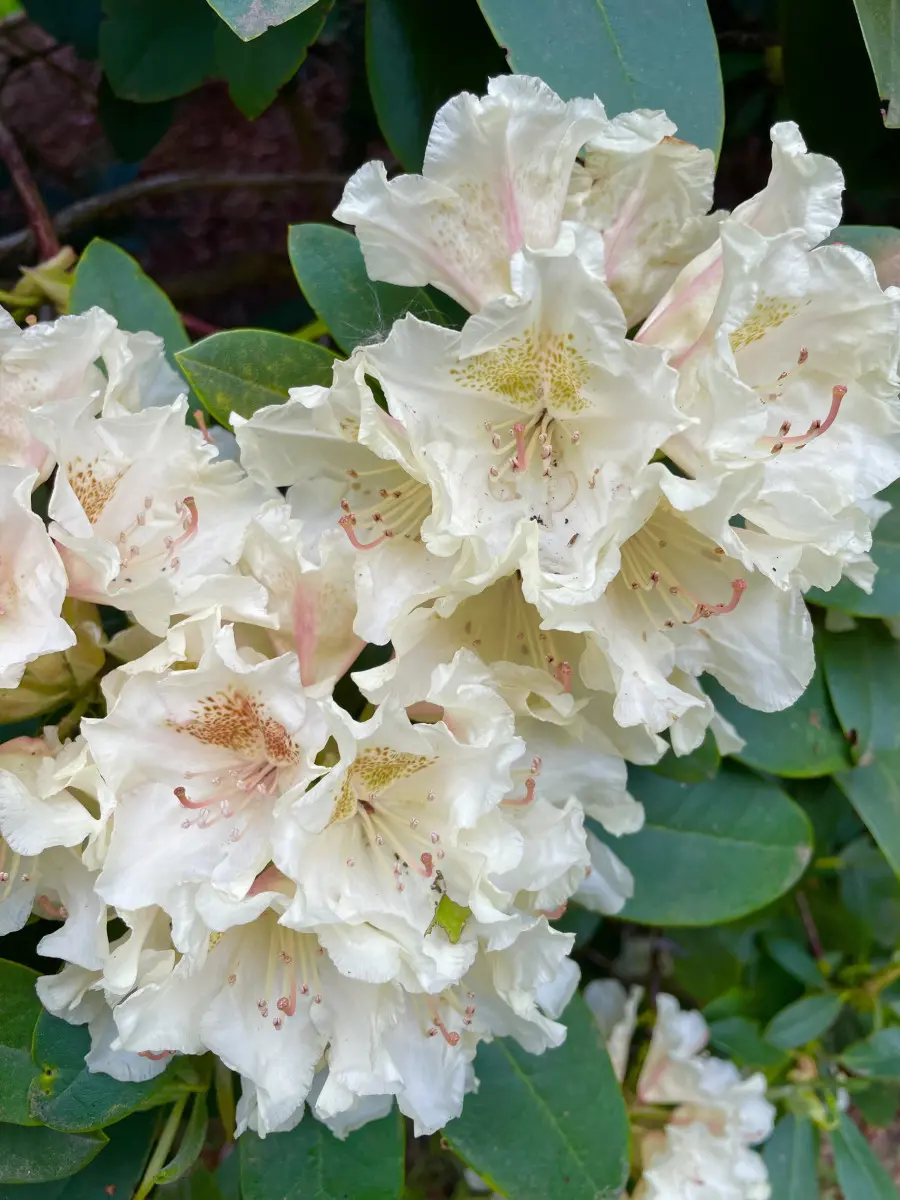
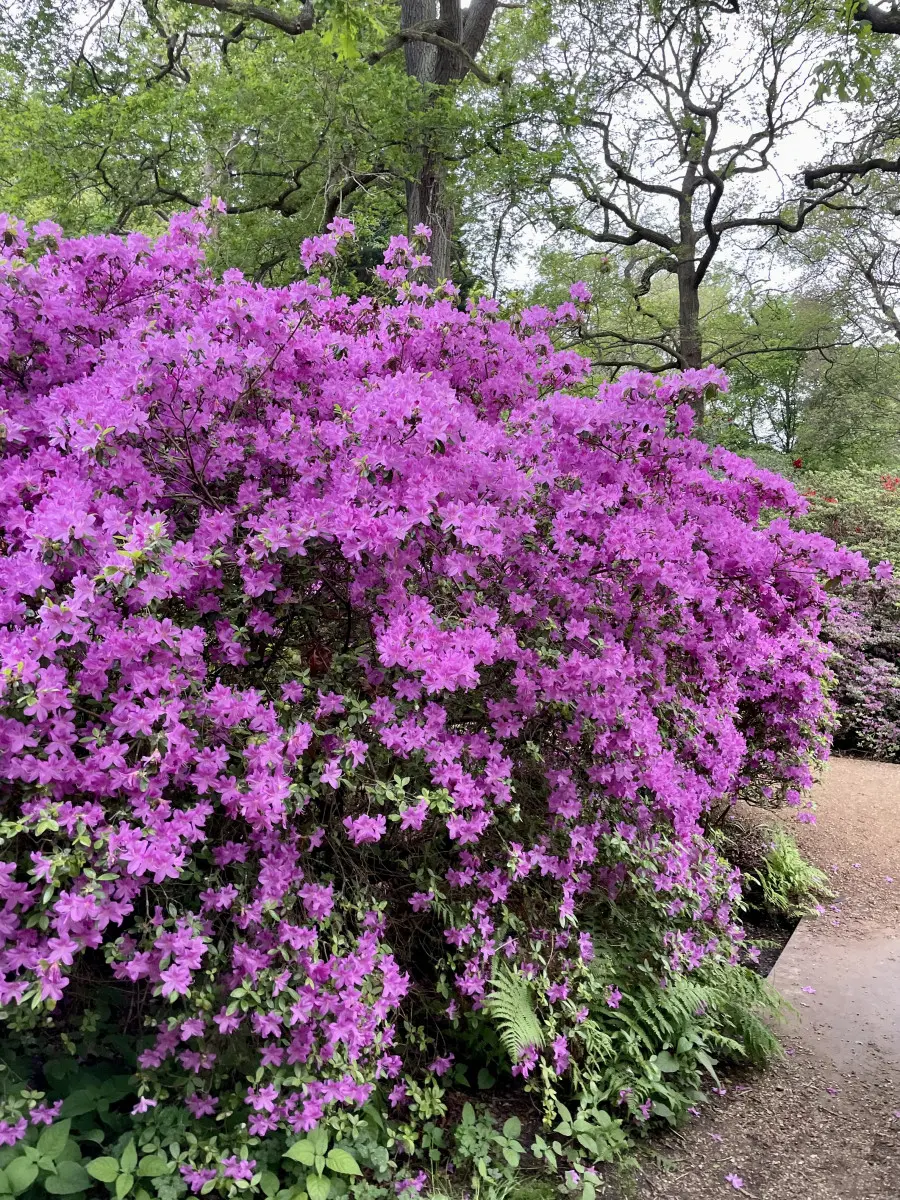
One of the standout features of Isabella Plantation is its breathtaking display of rhododendrons and azaleas (but like I said… you have to visit at the right time!). The gardens boast a variety of exotic plants and trees, many of which are rare, creating a picturesque setting loved by both nature lovers and photographers alike.
Accessibility is another factor that makes Isabella Plantation popular. Located just a short distance from central London, tourist arriving to London from all parts of the world adding Richmond Park on their must visit list anyway, and Isabella Plantation too. They can take stunning holiday photos and with a help of an eSIM for London they can even upload them straight to Instagram. Perfect spots for leisurely walks, picnics, or simply relaxing while enjoying the sights and sounds of nature.
Isabella Plantation also hosts a variety of events throughout the year, ranging from guided tours to educational workshops too.
What plants are in Isabella Plantation?
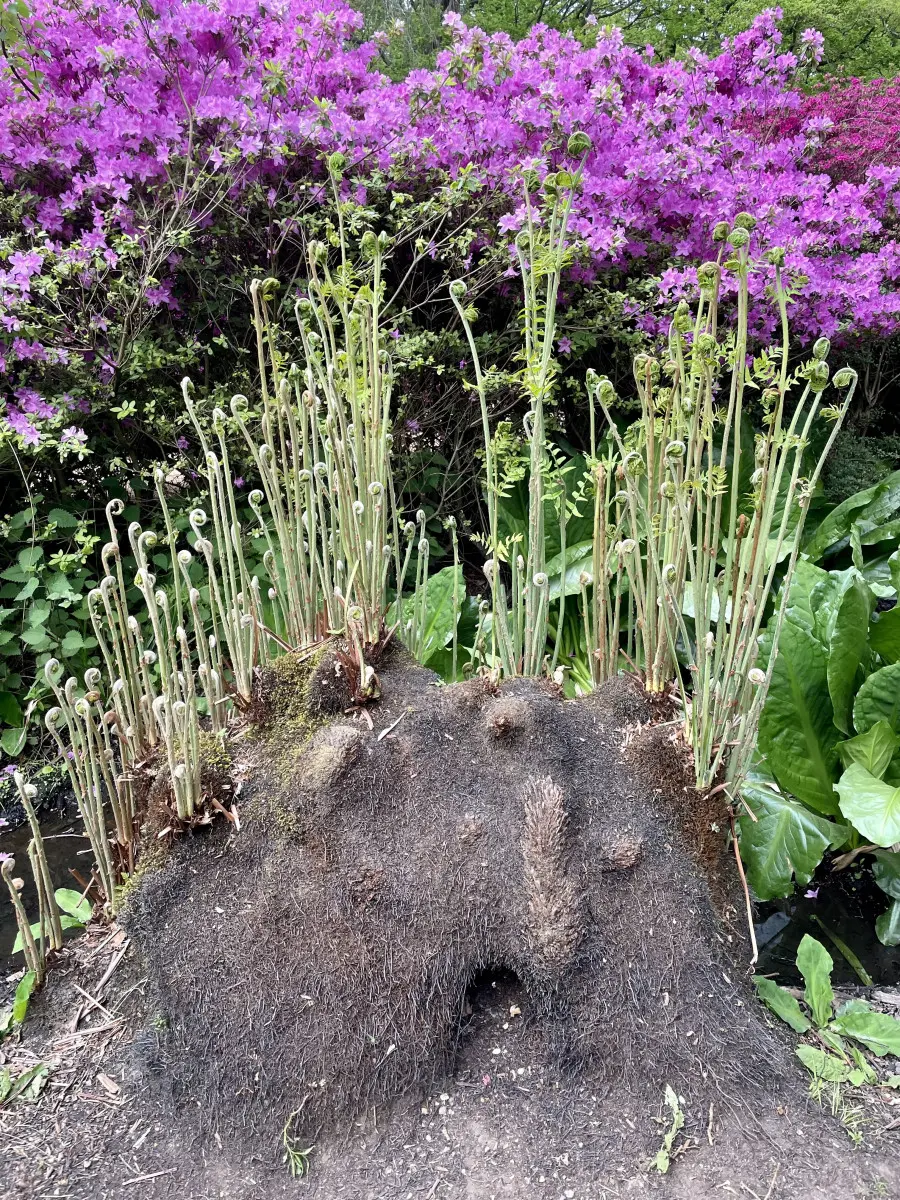
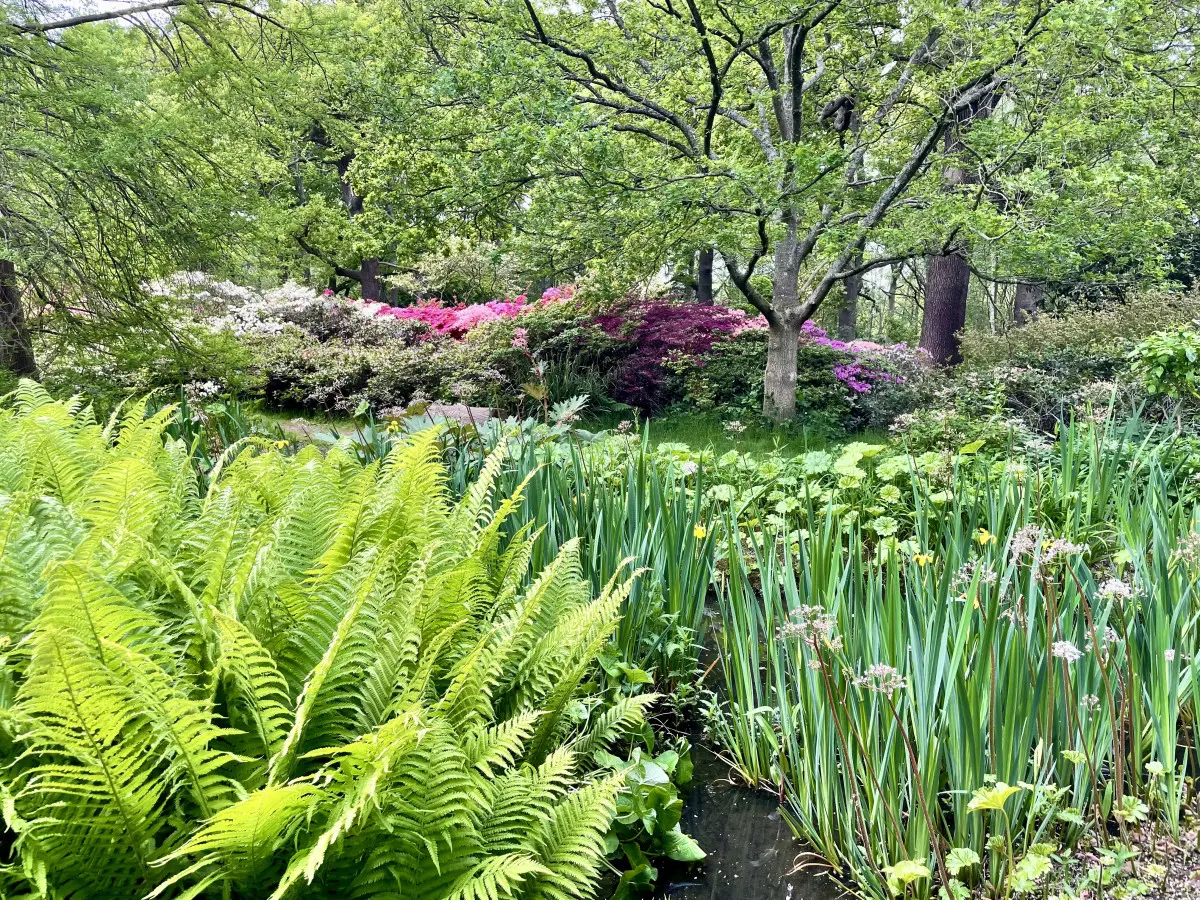
The Isabella Plantation boasts a diverse range of plant species, showcasing both native and exotic varieties – as the exotic varieties were planted when they were really fashionable back in the 19th century. Visitors can admire azaleas and rhododendrons and the plantation is also home to beautiful magnolias, cherry trees, and various ferns as well as evergreens adding lush greenery all year round.
The best time to visit Isabella Plantation
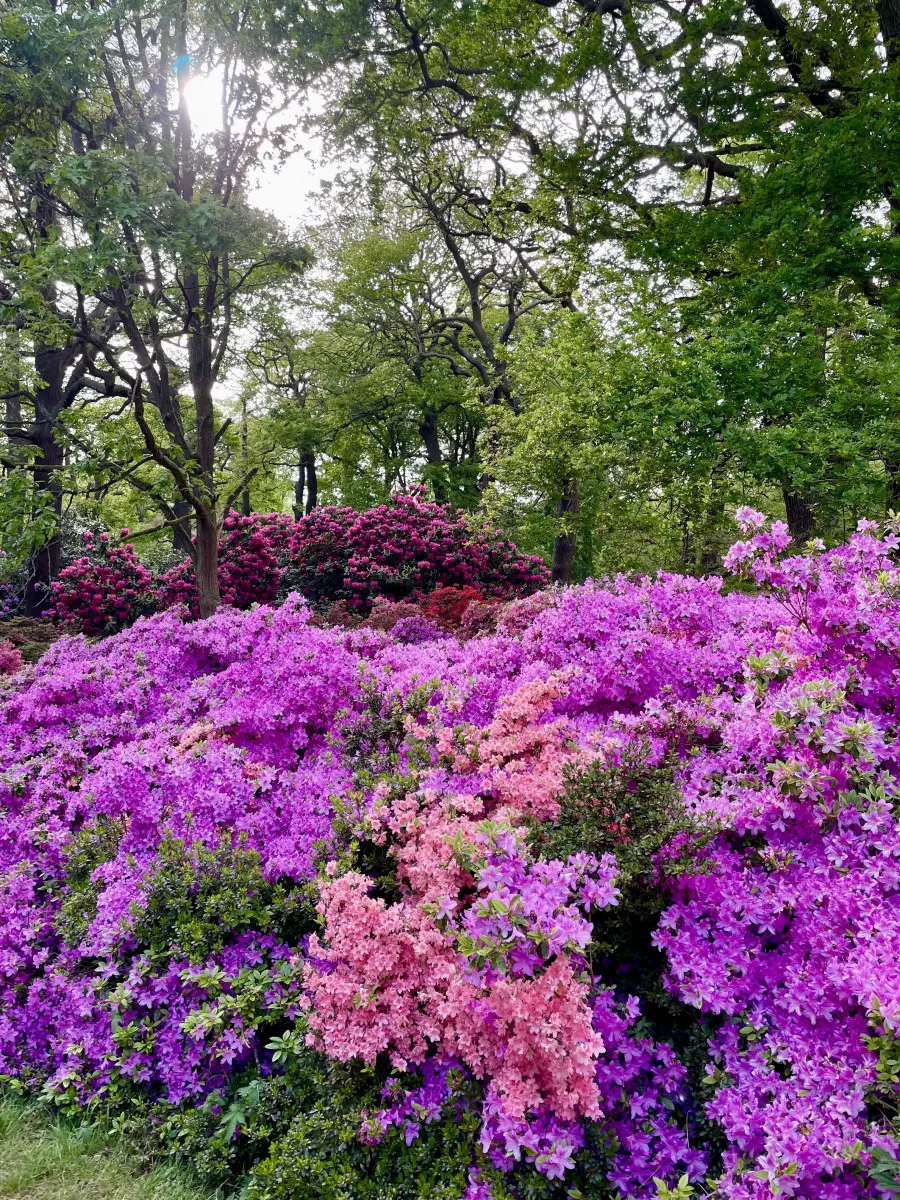
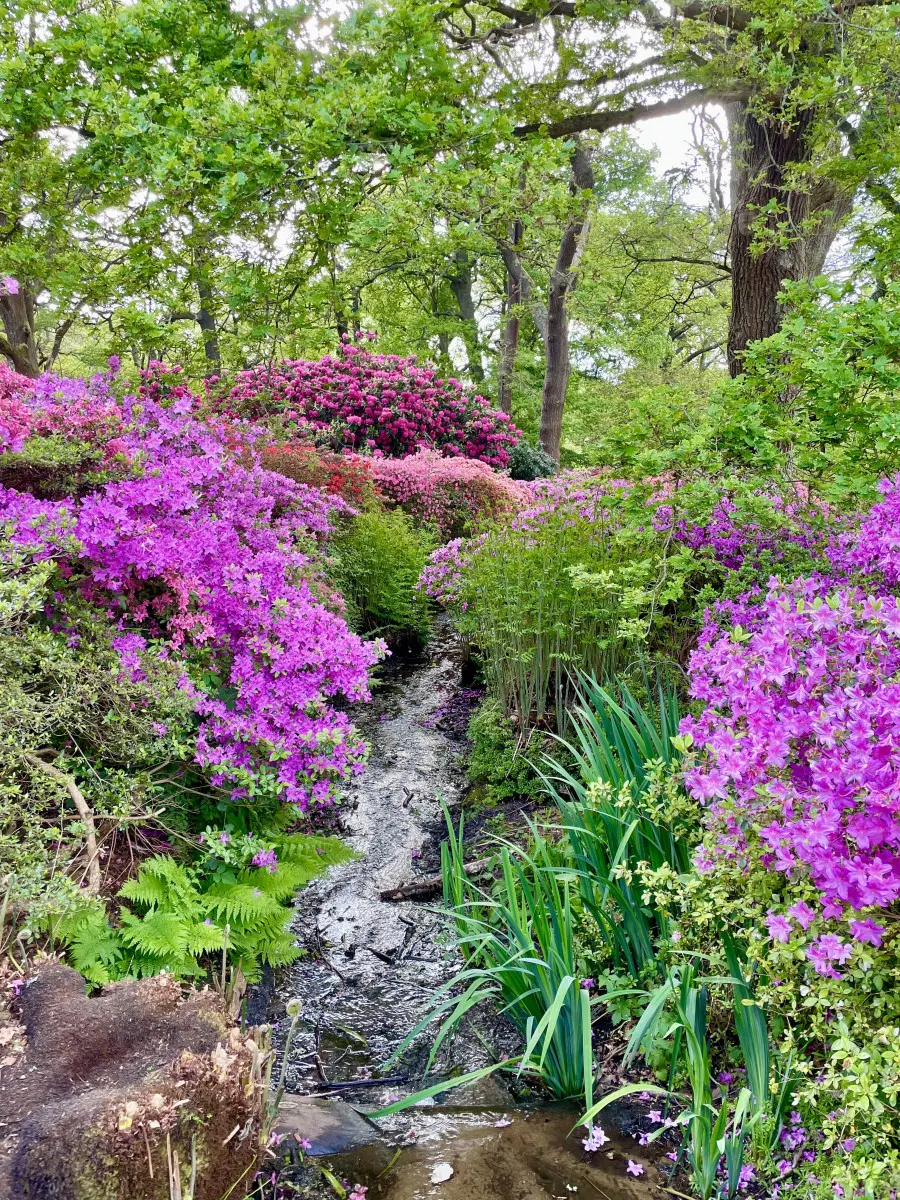
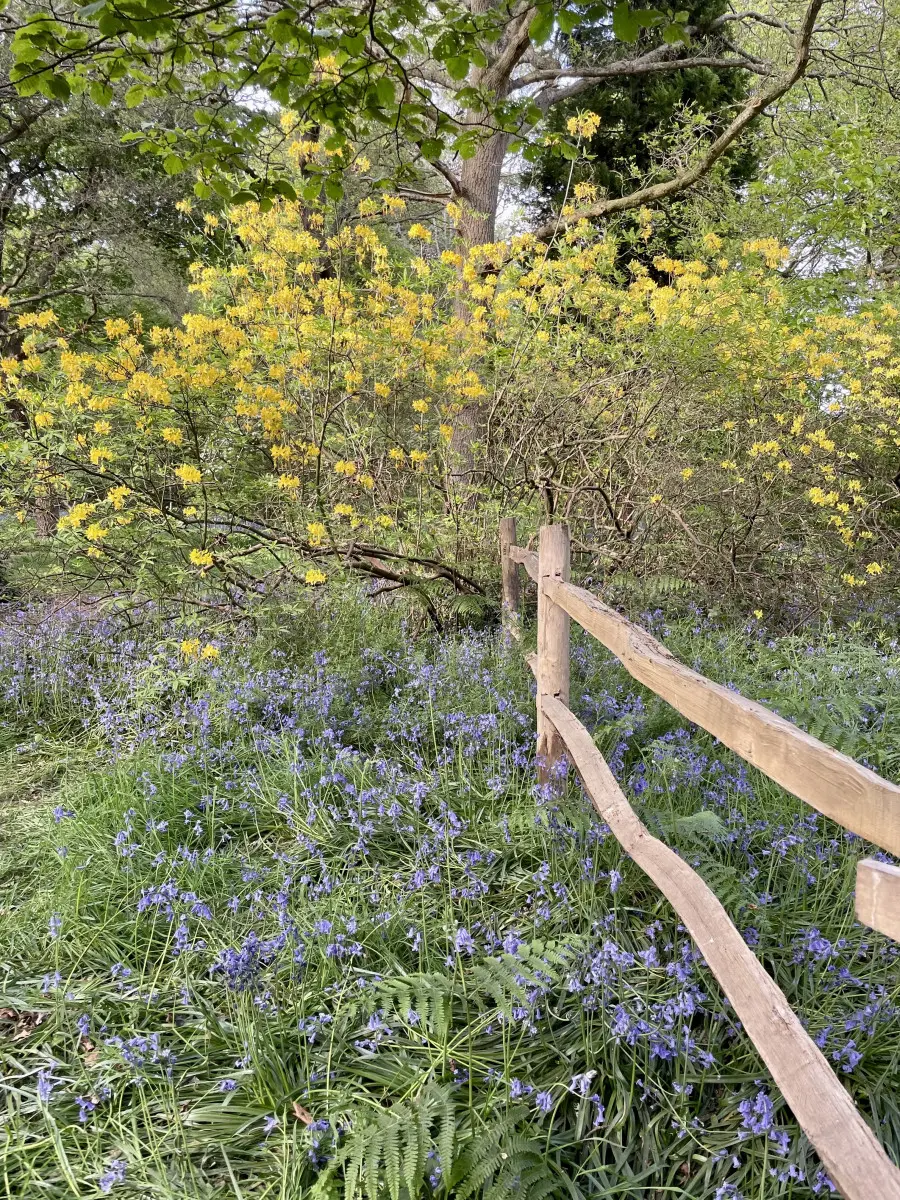
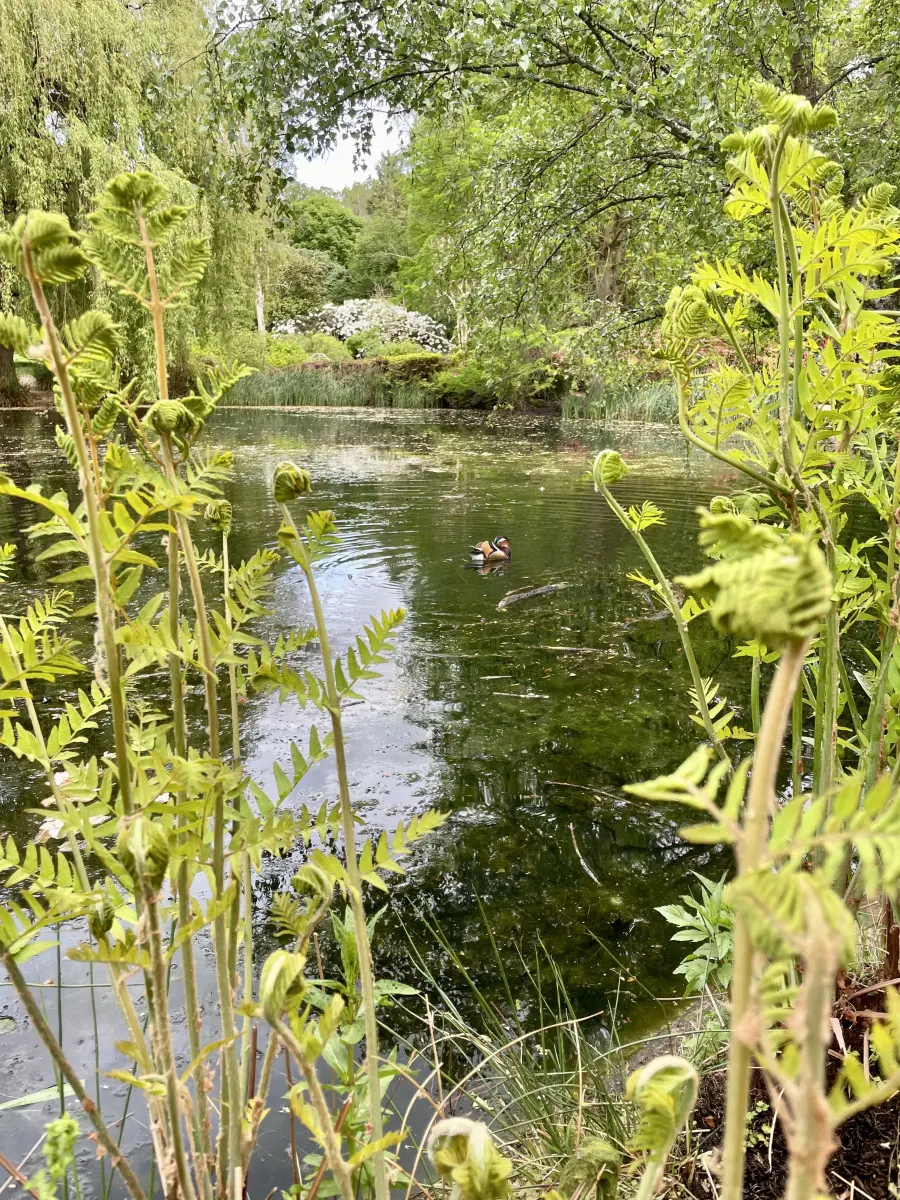
The most special time is to visit Isabella Plantation is when it’s the most beautiful there. And that’s undoubtedly in mid spring (late April to mid May), when the rhododendrons and azaleas are in full bloom. Before them, the bluebells and magnolias kick off the spring season and if you time your visit perfectly, you can see all the magic. Not just the beauty of the flowering bulbs but also the wonderful fragrance of them filling the spring air. At the ponds, you can watch duck parents gliding around with their ducklings. Let my photos speak for themselves, although they can’t give you the full experience. Magical!
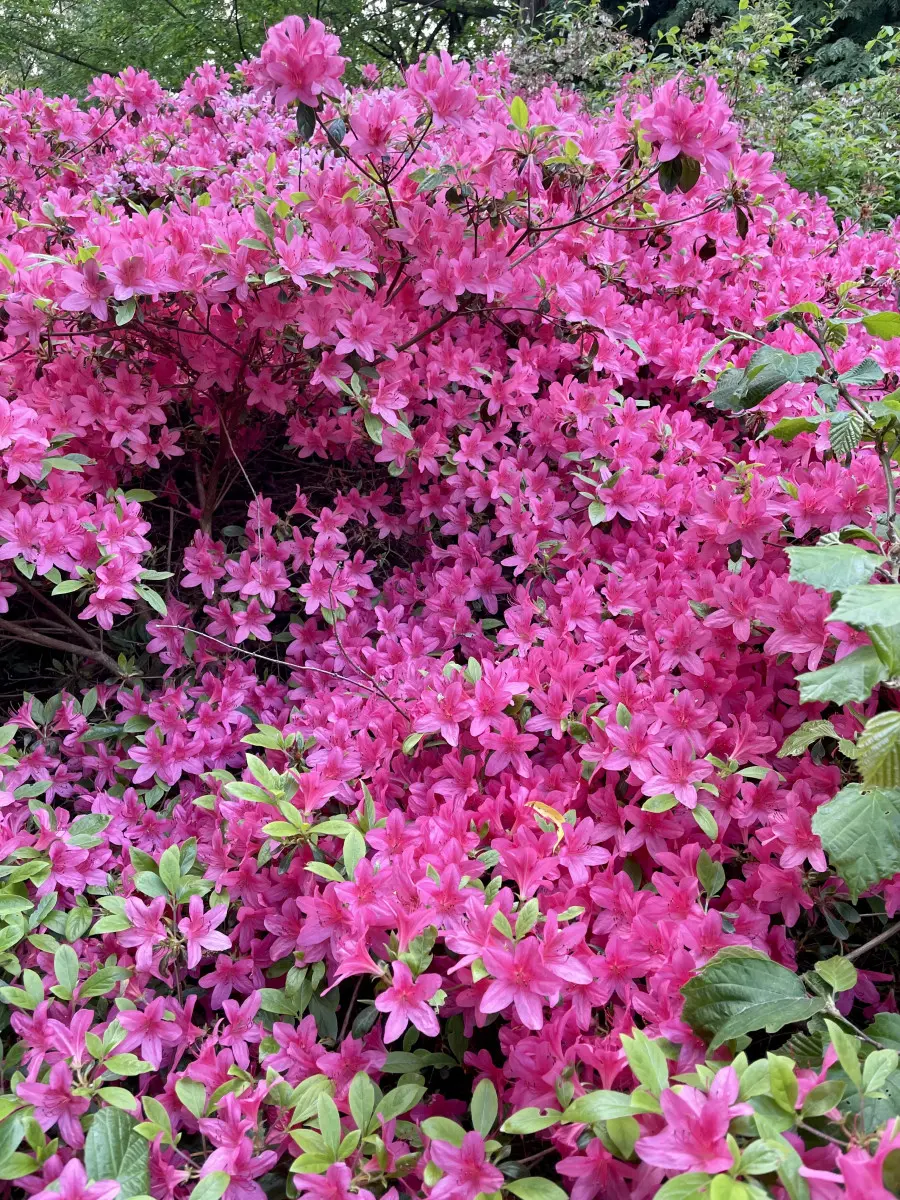
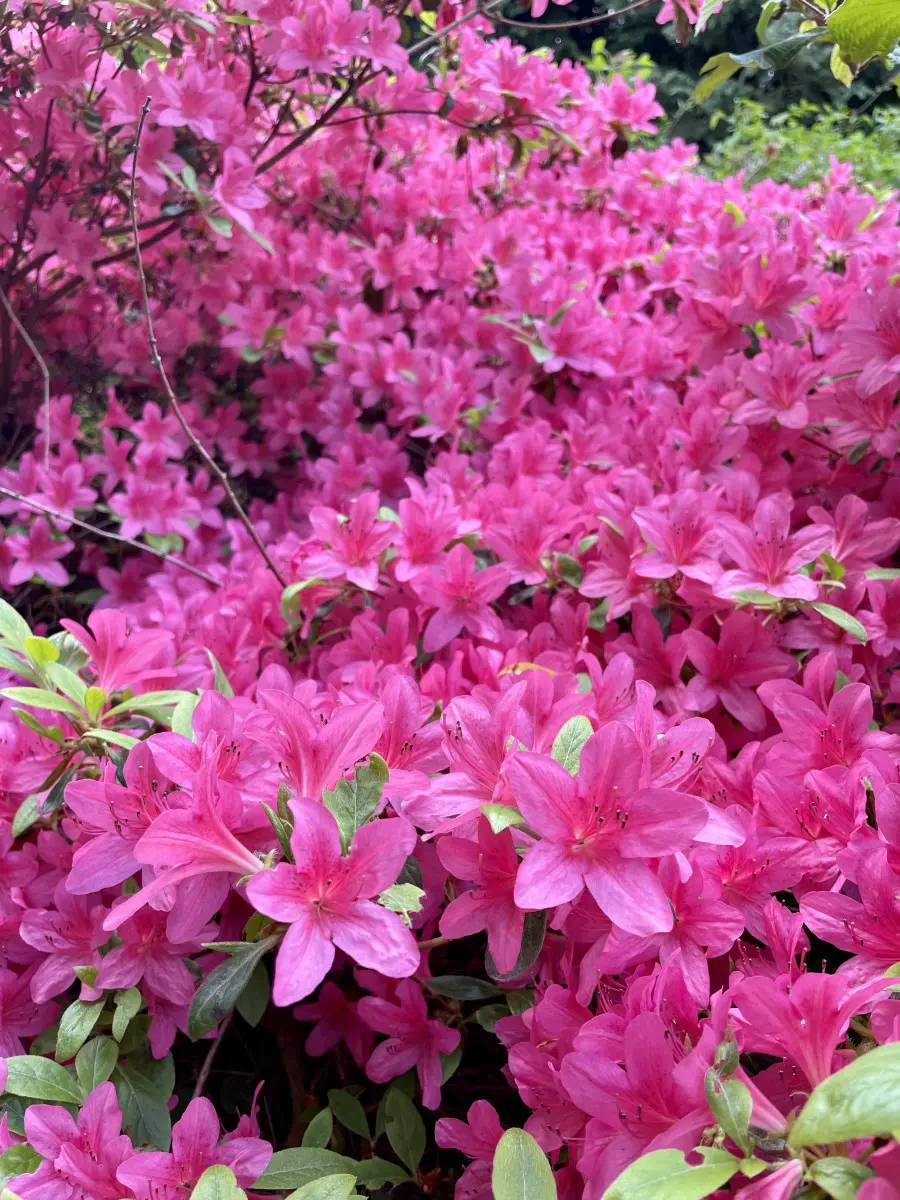
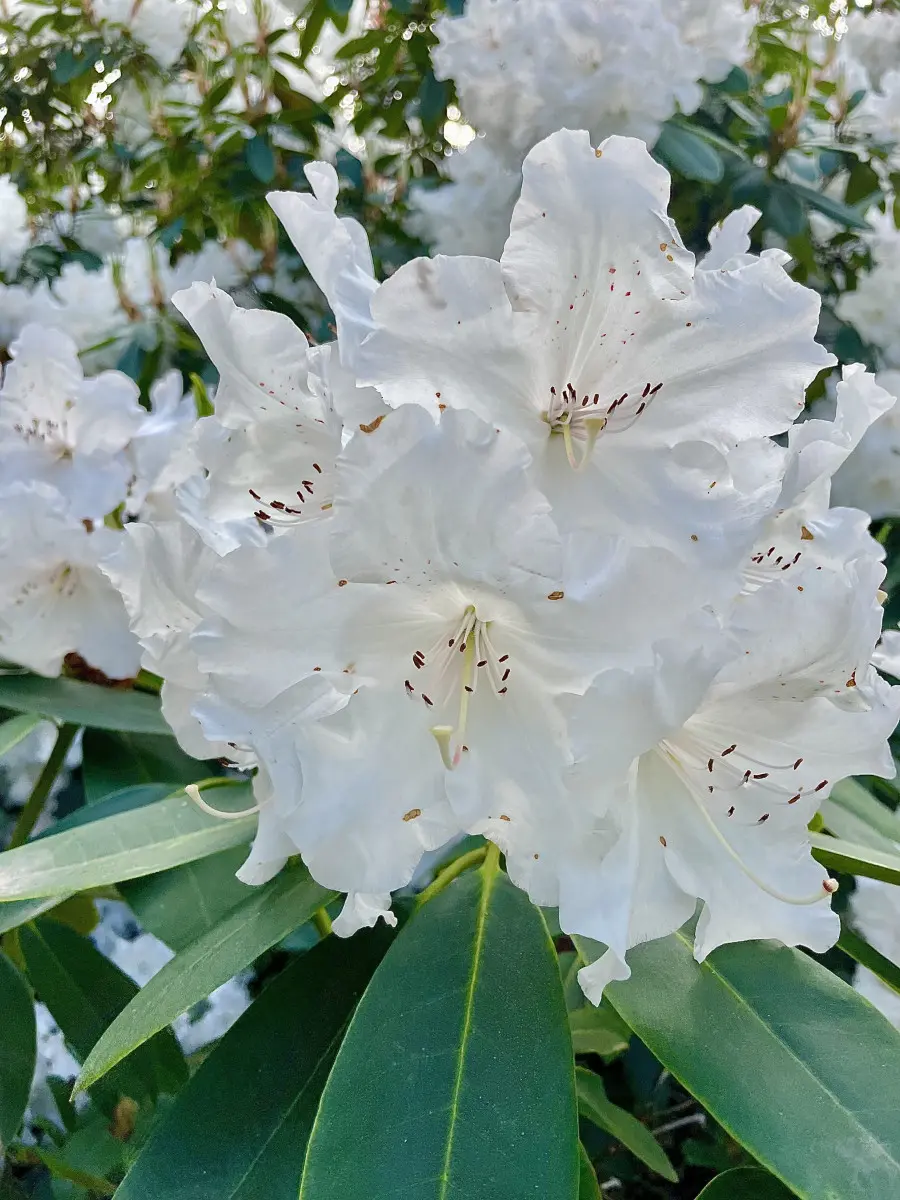
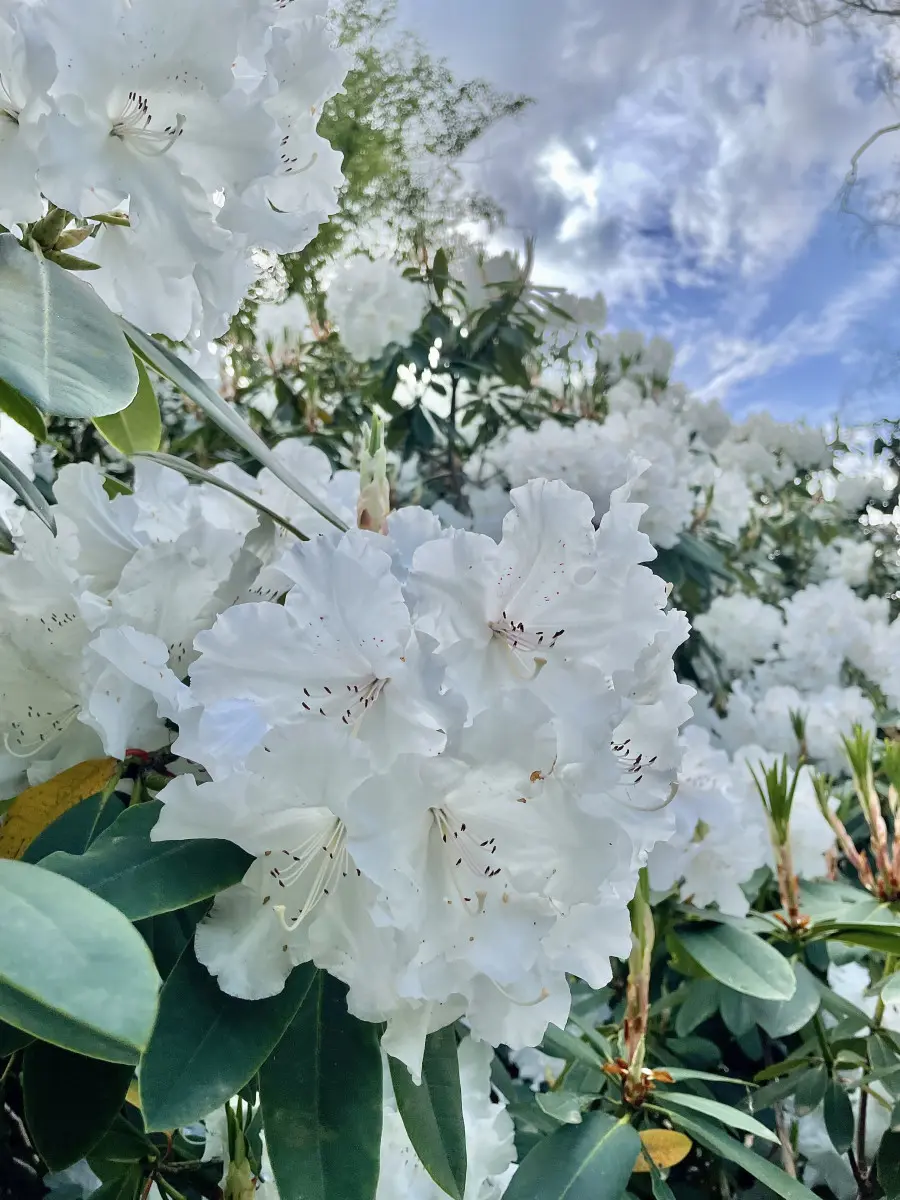
Perfect insta and wedding photo opportunities I’d say! The evening I took these photos I spotted a few people taking professional shots.
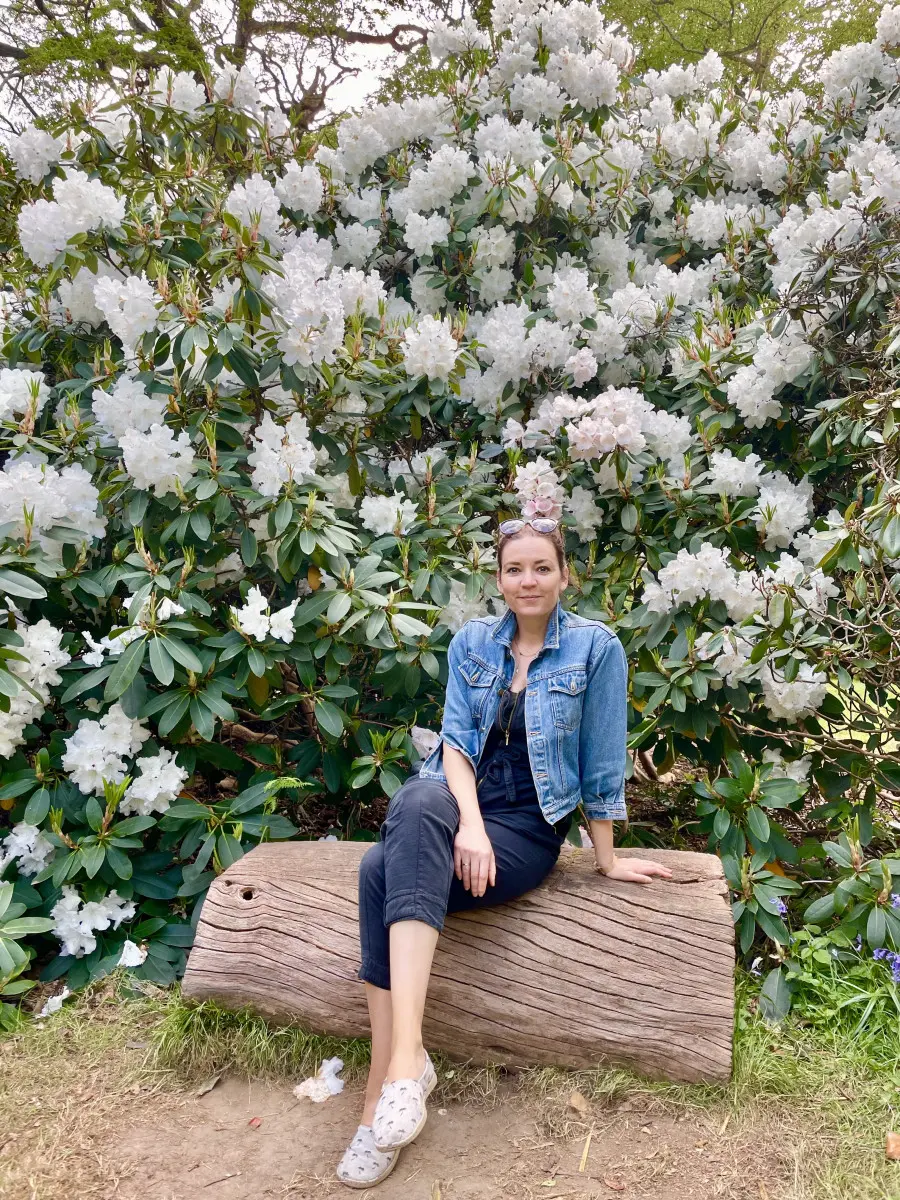
Oh to be a duck at Isabella Plantation! (Just don’t feed them with white bread – or any bread for that matter. It gives them angel wings.) Or a bee. Or other animals digging those little burrows and holes – fox? Rabbits? It looks like a little paradise for the animals living in the plantation for sure.

If you liked this post, please check out my other posts about interesting things to do in London:
Visiting The Cutty Sark – A London Family Day Out (Review)
How To Make Most Of Your Visit: London Transport Museum And A Child With Autism