
Table of Contents
In our increasingly interconnected world, teaching children respect for diverse cultures is not just beneficial—it’s essential. As parents and educators (and of course, we can add friends and other family members) we have a huge opportunity to shape the way future generations perceive the world. Putting a positive focus on attitude of respect and appreciation for other cultures, we equip our children with the tools they need to thrive in a global society.
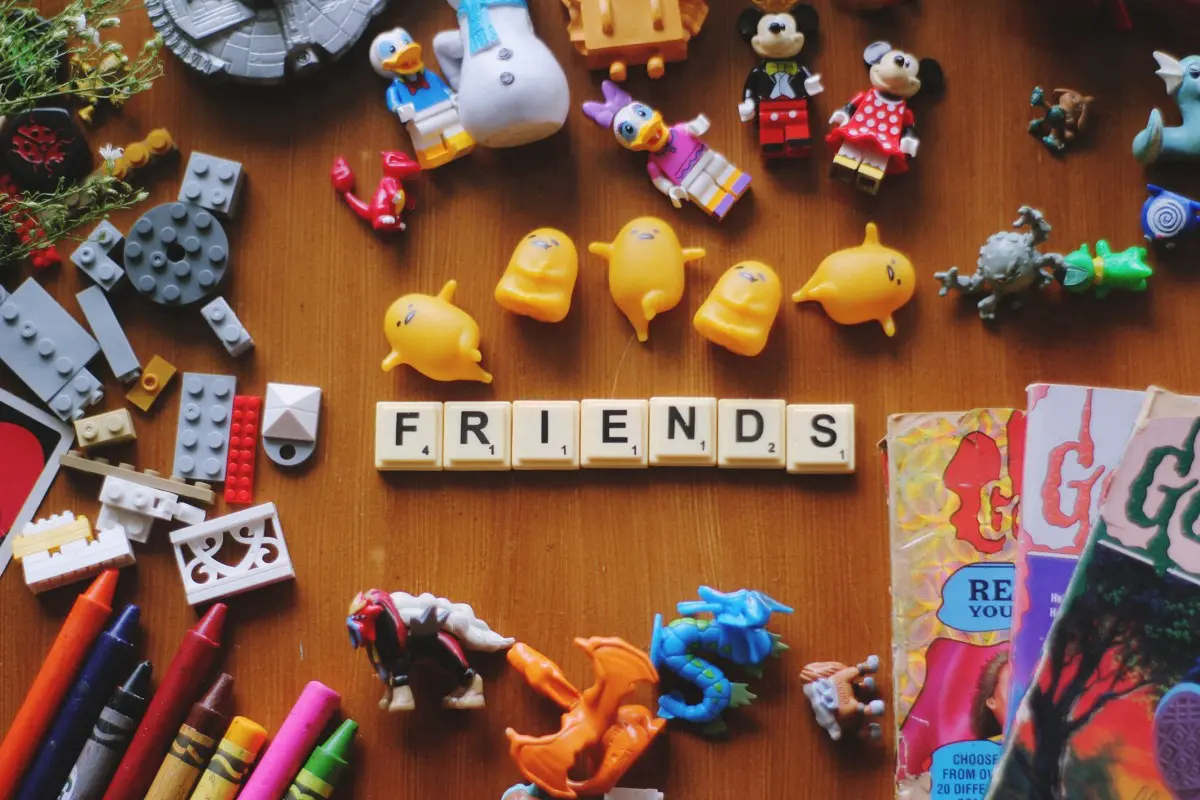
Essentially, the idea is to expose your children to different cultures and religions throughout their lives, both in books and on TV, as well as out in the real world. Perhaps you could even think about celebrating other religious holidays and cultural traditions in your own home, to familiarise your child with different ways of living as much as possible. Prepare a calendar with all of the upcoming religious holidays so that you don’t miss any and investigate how best to celebrate.
Think about introducing your little one to books, both fiction and non-fiction, that explore different cultures around the world. The main character in the book might have a different way of life, which you can discuss with your child; you can point out the similarities between your family and theirs, as well as how interesting the differences are.
Above all, you must lead by example when it comes to respecting other people and their cultural differences. You cannot expect your child to be open-minded and tolerant of others if you are not. Try and embrace diversity as much as possible in your home and refrain from making stereotypical comments or jokes. It’s also worth keeping an eye on the type of TV shows and games your child is consuming, as they might be reinforcing negative stereotypes and racial prejudices.
What Do We Mean by Cultural Differences
The first step in promoting cultural respect among children is helping them understand that cultural differences exist and that these differences are valuable. From language and food to traditions and customs, every culture contributes to the tapestry of humanity. Instead of viewing these differences as something to be feared or misunderstood, encourage children to see them as opportunities for learning and growth.
Start by introducing your children to stories, music, art, and films from diverse cultures. This can be done at home or by visiting cultural events in your community. Encourage conversations about what they are observing and learning. Ask questions that prompt them to think critically about the differences and similarities they notice. This lays the groundwork for cultivating empathy and curiosity about others.
Teaching Empathy and Open-mindedness
Empathy plays a crucial role in respecting other cultures. Teach your kids to put themselves in someone else’s shoes and consider their feelings, experiences, and perspectives. Role-playing or discussing scenarios that highlight cultural misunderstandings can be an effective way to develop empathy. Ask them how they would feel if others made assumptions or judgments about them based solely on their background.
Additionally, encourage open-mindedness by discussing stereotypes and biases that exist in society. By navigating these conversations, children can learn to recognize and question preconceived notions, developing a mindset that is more accepting and understanding of others.
Encouraging Global Perspectives
A great way to respect cultural diversity is through exposure to global perspectives. Encourage children to learn about geography, history, and current events from a global standpoint. Discussing how certain events affect various cultures can create a rich dialogue and deepen their understanding of the world.
Consider introducing age-appropriate books that feature characters from different cultures or that explore historical events from multiple perspectives. Engage your children in discussions about these narratives and what they reveal about human experience, diversity, and resilience.
Celebrating Cultural Diversity
Celebrating cultural diversity can be a family affair. Consider participating in local cultural festivals or events, trying out different cuisines, or even hosting potluck dinners featuring dishes from various cultures. These activities not only provide a fun way to experience different cultures but also demonstrate respect for those cultures through appreciation and engagement.
Encouraging children to ask questions about different customs, traditions, and practices can further enhance their understanding and respect. It also promotes a sense of curiosity and wonder about the wider world, allowing them to feel more connected to people from various backgrounds.
The Importance of Language
Language is a fundamental aspect of culture. Teach your children about different languages and the importance of linguistics in understanding cultural context. You might consider enrolling them in language classes or simply introducing them to common phrases in another language. This not only demonstrates respect for another culture but also allows children to see the world from a different linguistic perspective.
Additionally, family discussions about language, including how it reflects culture and identity, can foster insightful conversations. Highlight stories of how language diversity enriches communities and fosters individual expression.
Modeling Respectful Behavior
Children are keen observers and often model the behaviors of adults. It’s vital that we demonstrate respect for other cultures through our own actions and words. Share experiences where you engaged with different cultures, discussing what you learned and how it impacted your view of the world.
When children witness their parents and caregivers practicing openness, kindness, and respect toward individuals from diverse backgrounds, they are more likely to adopt these values themselves. Aim to cultivate an environment where cultural respect is not just spoken about but actively practiced in daily interactions.
The Role of Education
Schools play a pivotal role in developing cultural respect among children. Advocate for inclusive curriculum that reflect diverse cultures, histories, and perspectives. Encourage educators to incorporate lessons that celebrate differences and promote discussions around cultural awareness. Support school initiatives aimed at fostering an inclusive environment where diversity is not just tolerated but celebrated.