
Table of Contents
This is a collaborative post.
Home makeovers do not necessarily involve intensive building projects or overly detailed changes. The application of a tile-effect wall panel is one of the classy solutions that combines practicality with visual appeal. These multi-purpose attributes add character and texture to interiors and provide a low-maintenance option to conventional tiling. Available in a variety of finishes, including smooth marble prints, brick-like industrial appearances, and more, tile-effect panels offer innovative opportunities in kitchens, hallways, and bathrooms.
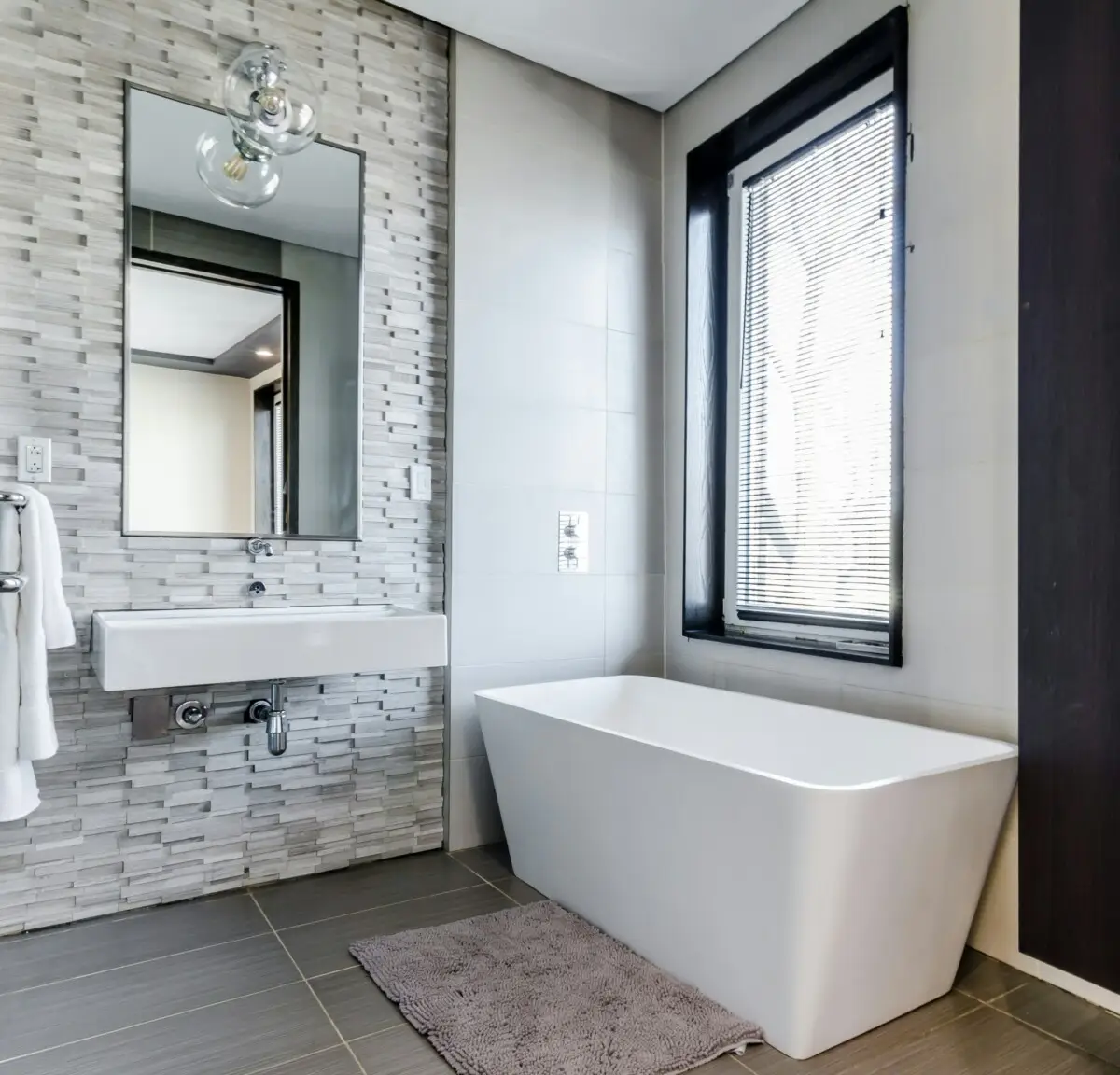
Elevating Bathroom Walls with a Spa-Inspired Finish
The texture and moisture resistance of tile-effect panels are beneficial in bathrooms. Installing them along a feature wall behind the sink or within a walk-in shower enclosure provides an improved look without the clutter and grout upkeep that come with ceramic tiles.
Bold, high-gloss styles lend a feeling of contemporary luxury, while subtle geometric patterns combined with matte finishes give minimalist designs depth. In smaller en-suite rooms or guest bathrooms, vertical panel placement can create the illusion of a longer space.
Introducing Contrast in Kitchen Splashbacks
Old splashbacks can be replaced with panels to create a useful, heat- and steam-resistant surface that resists everyday spills. Panels offer a smooth finish without the risk of discolouring grout lines, unlike ceramic tiles.
A rustic-industrial look is achieved by combining copper-toned accessories with a faux-slate panel. On the other hand, light is reflected into the workspace and darker cabinets are brightened by a pale stone-effect backdrop. Incorporating new character while maintaining coherence is ensured by matching the colour and pattern to existing pieces.
Creating Sophistication in Hallways and Corridors
A home’s entrance should be impressive, but hallways are often neglected in design. When placed halfway up the wall as part of a dado-style treatment, tile-effect panels can turn these passageways into fashionable transitional areas.
Scuff marks from shoes or bags can be covered with panels placed near the floor in rich tones like charcoal or graphite. The outcome is both functional and aesthetically pleasing when paired with a lighter painted upper part.
Designing Statement Walls Without Overpowering a Room
When done with texture and purpose, a single feature wall may define a whole space. Without using striking paint or wallpaper, a tile-effect panel can be installed across a chimney breast, behind a dining table, or along the headboard wall in a bedroom to create a focal point.
Personality is introduced without overpowering the senses with subtle terrazzo effects or imitation herringbone patterns. These surfaces create tactile contrast throughout the room and pair well with natural woods and soft furnishings.
Framing Architectural Elements with Precision
Defined edges are advantageous to alcoves, recesses and niches. The use of a tile-effect finish on these architectural pockets emphasises their design and attracts attention.
A brushed-concrete panel in a reading nook or under-stairs shelving unit adds a touch of drama, particularly with inbuilt lighting. This will utilise unused spaces fully and will give the design a boutique feel.
Combining Materials for Layered Interiors
One texture is rarely enough to create an appealing room. Richness and dimension can be added by combining tile-effect panels with natural materials like polished concrete, brushed metals, or salvaged wood. A softly patterned panel, matte cabinets, and wooden flooring combine to create contrast and coherence in kitchen-diners. The texture and polish of other surfaces can be highlighted by selecting panels with subtle tones.
Creating Calm in Utility Spaces and Cloakrooms
Small areas should not be ignored in design. Cloakrooms, utility rooms and laundry areas benefit from fast-cleaning surfaces, which also bring visual order. The effect of tiles can be achieved through panels, which introduce style to these functional spaces without compromising functionality. An organised atmosphere and a sense of the space being more polished, even in everyday tasks, are supported by soft stone finishes or subtle linear textures.
Low Maintenance with High Visual Impact
One of the most significant advantages of wall panels is their practicality. It just takes a simple wipe with a cloth to clean; there is no scrubbing between grout lines or chipped edges. Moisture resistance will ensure durability, particularly in high-usage areas. These panels are strong yet do not sacrifice on looks. They are applied sparingly or on an entire space and provide a smooth finish that is both customised and easy.
Innovative Style Without Structural Overhaul
A home makeover doesn’t always include dismantling rooms or demolishing walls. Sometimes a clever use of texture is enough to elevate the ordinary surroundings and alter the tone. Because a tile-effect wall panel strikes a balance between functional necessity and aesthetic aspiration, homeowners may quickly and precisely refresh their home. When chosen wisely, these panels can be more than just surface coverings; they can contribute to the room’s story, serve as the framework for the architectural rhythm, and offer the tactile pleasure of a well-executed design.