
Table of Contents
This is a collaborative post.
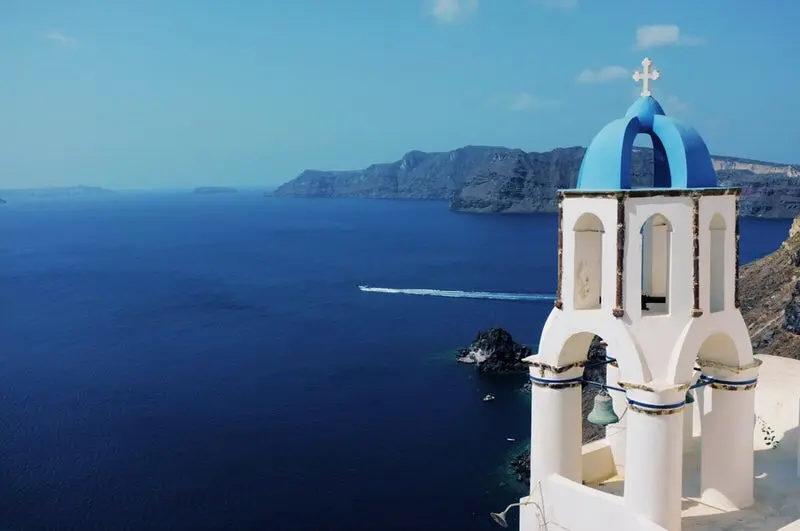
The Aegean sun glimmers on turquoise shallows, and the days melt into one another, gentle as olive oil poured slowly from a bottle. Sounds wonderful, isn’t it? Slow travel in Greece isn’t about ticking off monuments or rushing from one photo spot to the next. It’s a way of waking up in a world where you’re not a visitor, but a local. The warmth of the air, the greeting of the café owner, the smells of thyme and woodsmoke, all belong to you, just for a while.
For families who care about Earth, this approach does more than just soothe the soul. It keeps footprints (carbon and otherwise) light. Each unhurried decision adds up, and in Greece, the rewards come more quietly with every lingering sunset.
Why Slow Travel Lowers Your Impact
Slow travel is gentler on resources because it lets you do more with less movement. Stays grow longer. Steps become softer. Carbon savings become visible.
- Fewer flights, fewer footprints: By lingering in one region, you avoid short internal flights or dozens of transfers. This means fewer emissions.
- Less waste, more taste: Shopping in open-air markets or dining at home allows you to avoid takeout packaging and discover what grows locally.
- Time to walk, time to care: When you are not rushed, you can take the ferry instead of the plane, or even a train across the mainland. You start to see how every choice threads into a bigger story.
A Slower Journey: How to Make It Work for Families
Slow travel means unpacking your suitcase just once and really living in your chosen spot. It means children can form habits, find favorite beaches, and make friends at the village square. The world feels safer, more personal, and a little more magical when it slows down for you.
The perks for curious travelers
- Space for connection: Families can try a cooking class with a yiayia or a pottery lesson in a village
- Room to notice: Spot flamingos in the salt fields of Crete or stumble across sea turtles sunning in Zakynthos
- Days for discovery: Walk to local beaches or hike a new trail each morning, without needing a car at every turn
Where To Try Slow Travel In Greece
Islands with a gentle pace
Crete, with its mountain villages and wide sandy bays, invites you to stay for a month and still leave secrets undiscovered. You might choose villages near Chania for easy bus access and family-friendly waters, or let inland Apokoronas charm you. Naxos and Lefkada, two islands with good bus networks and stretches of golden sand, welcome those who mix wandering with beach afternoons.
Mainland escapes full of stories
The Peloponnese gives you cozy towns like Nafplio and ancient treasures close by, all threaded together by regional trains and buses. Epirus in the northwest leads to Zagori villages where old stone paths invite family explorers and rivers run so clear you can see to the pebbles at the bottom.
When thinking about your new home base, Elxis property listings spread a visual table of real options. Picture a low-slung village house near olive groves or a blue-shuttered flat by the Ionian. Let your dreams linger before choosing.
The Quiet Power of Slow Travel
Each moment you spend absorbing a Greek sunset instead of rushing to the airport is an act of kindness for the earth. Each market stroll, each lingering sip under the plane trees, is a strand in the web of connection that slow travel weaves. In the end, the Greek countryside doesn’t just give you vistas and meals. It lets you leave a softer touch.