
Table of Contents
This is a collaborative post.
Every parent wants to raise a child who feels confident, valued, and ready to take on the world. In today’s world of conscious parenting, where emotional well-being and self-expression are just as important as academic success, more families are embracing creative outlets that support whole-child development. One surprisingly effective avenue? Acting and modeling—when approached with care and intention.
While it might sound counterintuitive at first—especially for families focused on ethical, low-pressure lifestyles—getting involved in creative experiences like children’s film auditions or beginner modeling can actually be a positive and empowering journey. For kids, these opportunities can help foster self-esteem, communication skills, and resilience in a way that complements the natural power of play.
Let’s explore how creative performance, when handled responsibly, becomes more than a hobby. It can be a tool for raising emotionally intelligent, confident young people.
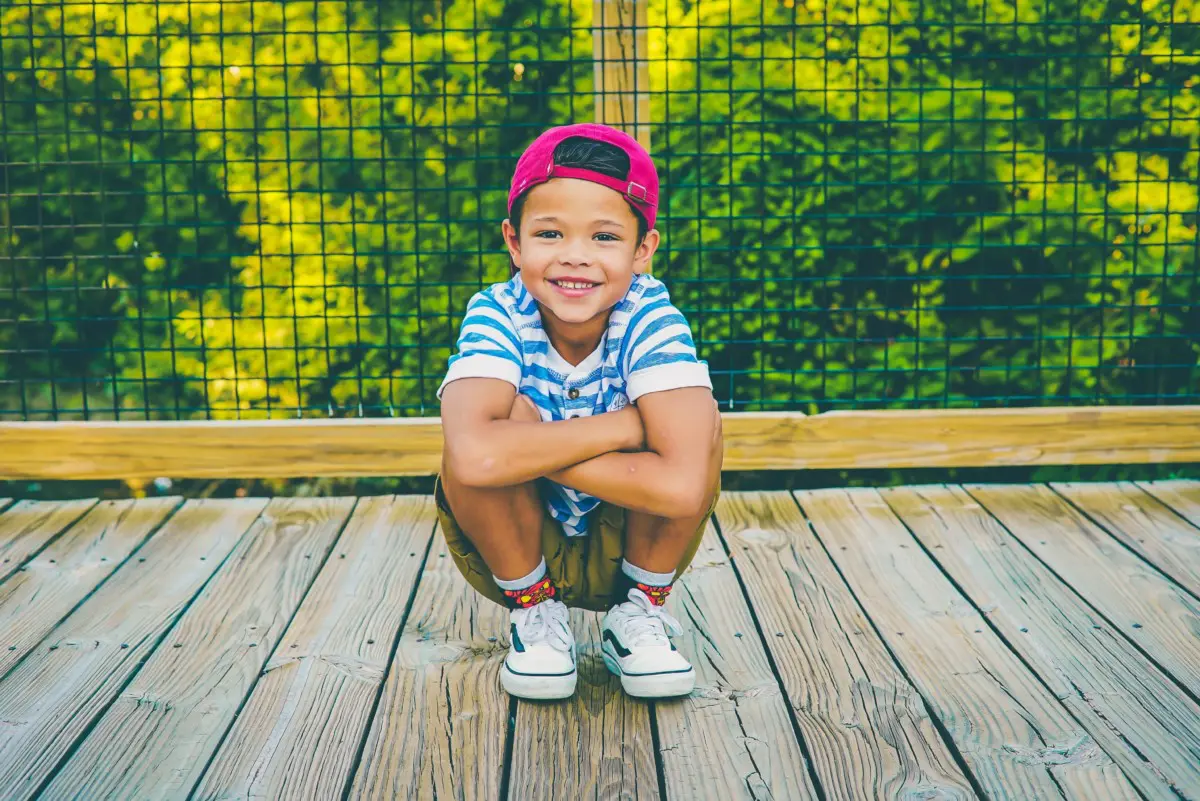
More Than Just Cameras and Costumes
When we think of modeling or acting, it’s easy to picture red carpets, strict routines, or industry pressure. But for young children, especially those under 13, acting often looks more like imaginative play. And that’s the point.
Pretending to be a superhero, reacting to a line in a script, or smiling during a photo shoot taps into the same cognitive and emotional areas that free play develops. These experiences:
- Encourage empathy by stepping into someone else’s shoes
- Improve memory and focus by following light direction
- Strengthen communication by interpreting emotions and body language
When set up in a child-friendly environment, creative work like this becomes an exciting, confidence-building adventure—not a job.
The Confidence Connection
Confidence in children doesn’t happen overnight. It’s built through a series of positive experiences where they feel seen, heard, and successful. Performing arts offer exactly that. Even the smallest accomplishments—a clear line delivery, a genuine smile on cue, or finishing a brief audition—can result in huge personal wins for a child.
More importantly, children learn that:
- It’s okay to try and not be perfect
- Being expressive is valuable
- Facing new environments (like a camera or casting room) can be fun
These skills often transfer to school, friendships, and other real-world scenarios, where self-assurance and flexibility are key.
Building Resilience Through Rejection
Let’s be honest: part of life is learning how to handle rejection. For children involved in acting or modeling, this lesson comes gently and early. Not every audition leads to a role, and that’s okay. The key is how it’s framed by supportive adults.
When parents focus on effort, enjoyment, and learning rather than “winning” roles, kids develop a healthy sense of self that isn’t tied to outcome. Over time, they learn to bounce back, try again, and remain proud of their progress—a vital trait for navigating future challenges.
For Teens, a Platform for Passion
As children grow, their creative interests may deepen. For teens especially, acting can be a powerful form of self-expression—helping them navigate identity, anxiety, or simply channel energy into something meaningful.
The world of teen casting offers older children opportunities that align with their growing maturity. Whether it’s voiceover work, short films, educational videos, or digital content, teens can find age-appropriate roles that challenge and inspire them in positive ways.
Again, the focus shouldn’t be on fame—but on fostering passions, building confidence, and engaging in meaningful creative pursuits.
Keeping It Ethical: What Responsible Casting Looks Like
Parents rightfully worry about the darker side of child performance industries. But today’s digital tools have made it easier than ever to approach acting and modeling safely and ethically. Platforms like KidsCasting allow parents to access legitimate, verified children’s film auditions and teen opportunities from home—with full parental control.
Here’s what to look for in a responsible casting experience:
- Age-appropriate content: Avoid roles that aren’t emotionally or developmentally suitable.
- Clear expectations: Reputable listings provide full details upfront—no surprises.
- Flexible scheduling: For younger kids, sessions should be short and never interfere with school or family priorities.
- No pressure: Your child should feel comfortable, supported, and never forced.
The right environment empowers a child to explore creativity while still being, first and foremost, a kid.
Real-Life Benefits That Last
Even if your child never becomes a professional performer, the personal growth from participating in creative projects is lifelong:
- Stronger public speaking skills
- Increased comfort in unfamiliar settings
- Better teamwork and listening abilities
- More confidence advocating for themselves
Plus, it’s fun! Families often find the experience itself brings them closer together—whether it’s preparing for an audition, cheering on a photo shoot, or celebrating a child’s bravery after trying something new.
Raising confident, compassionate kids doesn’t require a stage—but the stage can help. When acting and modeling are introduced in a way that values joy, effort, and self-discovery over perfection or performance, they become powerful tools for growth.
In today’s mindful parenting world, where experiences matter more than accolades, creative outlets like acting offer children a chance to learn, express, and shine in their own way. Whether they’re reciting lines in the living room or trying out for local children’s film auditions, what matters most is that they’re building confidence that lasts far beyond the camera.