
Table of Contents
This is a collaborative post.
Natural light can make any home a little better and brighter: it makes the space feel more spacious, more inviting, and even more energy-efficient. With more natural light, a house or a flat can transform into a home. A well-lit home not only will feel better and look nicer but also contributes to our well-being: our mood and productivity improves – which is scientifically proven but also, you can start feeling the difference without science telling you. So, if you’re building a new house or renovating an existing one, maximizing natural light should be top priority in your design process.
Looking at examples of well-lit spaces, such as Central Coast display homes, they can provide inspiration how to add and use natural light effectively. These homes are often designed with features like large windows, open layouts, and strategic room placements that make the most of available sunlight.
If you’re looking to design a home that harnesses natural light to its fullest potential, read on to learn more.
About Home Orientation
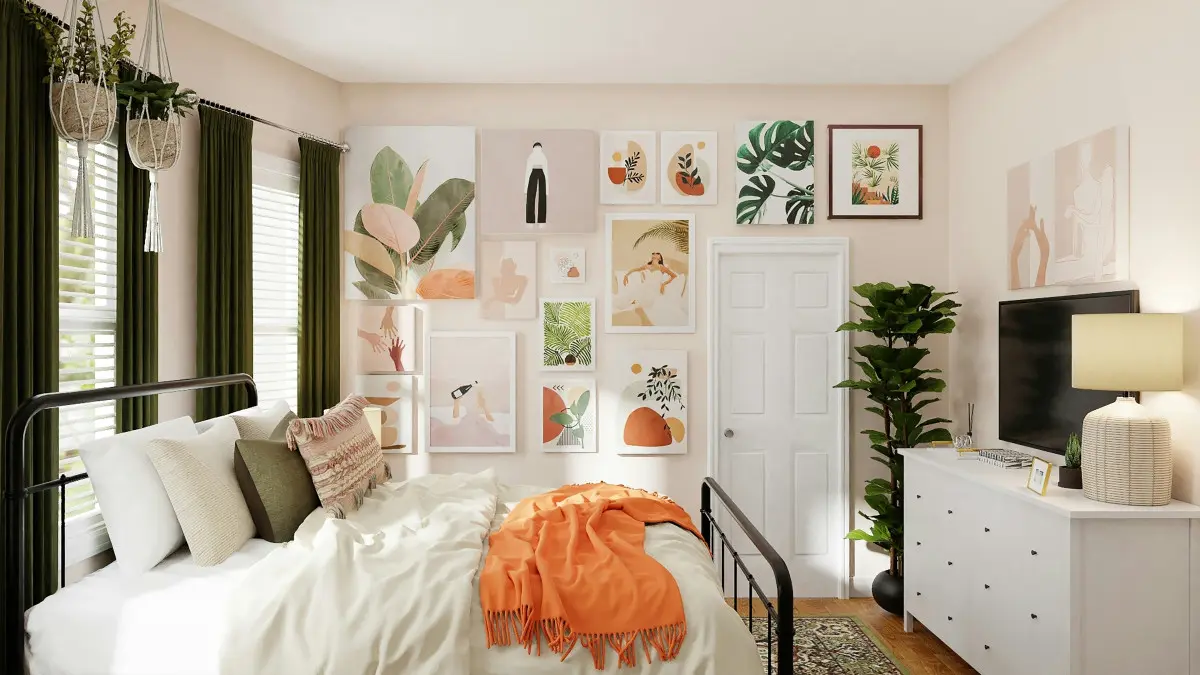
The orientation of your home plays a crucial role in determining how much natural light enters your living spaces throughout the day. The right positioning of your home is to align with the sun’s path which will help to gain better light exposure.
Orientation tips:
- Position living areas, such as the living room and kitchen (where you spend most of your daytime), to face north for consistent, indirect light throughout the day
- Place bedrooms on the east side to capture the morning sun (this is also helpful to regulate sleep patterns)
- Avoid west-facing windows to reduce heat buildup from the afternoon sun
By aligning your home’s physical orientation with the movement of the sun, you can also make it more energy efficient.
Use Large Windows and Glass Doors
One of the most effective ways to increase natural light is by incorporating large windows and glass doors. Floor-to-ceiling windows, sliding glass doors, and strategically placed skylights can flood your home with daylight.
Tips to do this:
- Always choose double-glazed windows for better insulation (you want light but not the heat)
- Use sliding or bi-fold glass doors to connect indoor spaces with outdoor areas
- Install windows with slim frames to create a seamless flow of light
Doing this will also provide you with a great view to your garden!
Choose Light-Reflective Materials
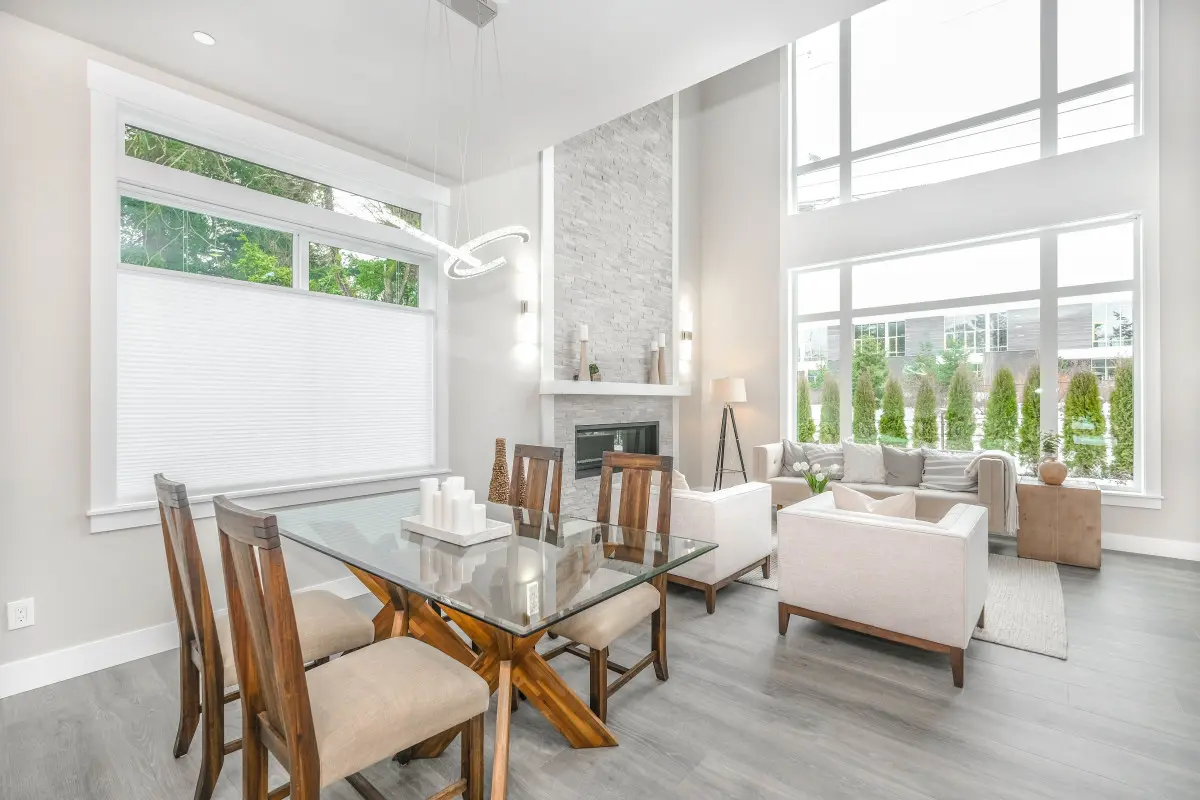
The materials you choose for your home’s interiors can impact how well natural light is distributed throughout your spaces. Light-colored surfaces and reflective materials can help bounce sunlight deeper into your rooms.
Examples of materials:
- Use light-colored paint for walls and ceilings to reflect natural light
- Glossy finishes on flooring and countertops
- Mirrors placed strategically to amplify natural light in darker corners
Consider an Open-Plan Layout
Open-plan layouts allow light to flow freely between rooms, reducing shadows and dark areas. Basically, you need to avoid all barriers such as walls and other partitions.
Ways to achieve an open-plan design:
- Use open shelving instead of closed cabinets to allow light to pass through
- Connect living and dining areas
- Instead of concrete walls, choose glass partitions to maintain separation but letting natural light through
Add Skylights and Light Tunnels
In areas where traditional windows may not be possible, such as hallways, bathrooms, or interior rooms, skylights and light tunnels can be an excellent solution to bring in additional natural light.
Benefits of skylights and light tunnels:
- They provide daylight without compromising privacy
- They help illuminate darker areas, reducing the need for artificial lighting
- They can be installed in various sizes and styles
These solutions are particularly useful in homes with limited exterior wall space or complex layouts.
Don’t Forget About Landscaping
External factors such as landscaping can influence how much sunlight enters your home. Trees, shrubs, and fences can block light if not carefully planned.
Landscaping tips:
- Trim trees and shrubs regularly to prevent them from shading windows
- Use low-maintenance plants that allow for light penetration
- Position outdoor structures such as pergolas or awnings thoughtfully to avoid blocking sunlight