
Table of Contents
This is a collaborative post.
In an age where information moves fast and organization matters more than ever, tools like a label printer and a color thermal printer have become essential for many individuals and businesses. These devices bridge the gap between digital data and the physical world, helping people manage, identify, and present information clearly and accurately.
One of the notable names in this space is Munbyn, a brand that has gained recognition for making printing devices that balance simplicity with functionality. Mentioning Munbyn here isn’t about promotion but rather about illustrating how a modern manufacturer approaches the real needs around label printing and thermal printing in everyday contexts.
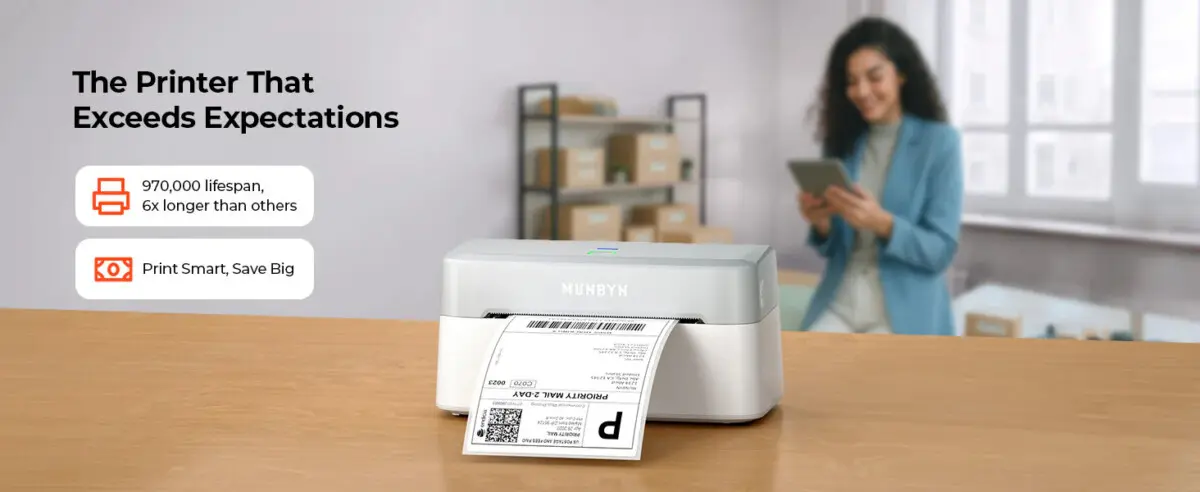
What Is a Label Printer and How Does it Work?
A label printer is a specialized device designed to print text or images onto adhesive or non-adhesive labels. Unlike standard office printers, label printers are optimized for output that sticks, tags, or adheres to surfaces such as boxes, file folders, shelves, and products. They are widely used in warehouses, retail stores, home offices, and even kitchens where quick identification enhances efficiency and reduces errors.
At its core, a label printer reduces ambiguity. In a warehouse, properly labeled shelves can mean the difference between quick fulfillment and costly mistakes. In a kitchen or home pantry, clear labels prevent confusion and help maintain order. For schools and offices, labels keep equipment, documents, and storage items easy to find.
The functionality of a label printer extends beyond simple text. Many models allow printing barcodes, icons, or small images, which are essential in environments like shipping centers or libraries where quick scanning and visual cues speed up processes.
The design of these devices varies widely. Some are compact handheld units, while others are desktop models built for higher volume. Regardless of size, the purpose remains the same: to create clear, readable labels that stand up to the demands of their intended use.
How a Color Thermal Printer Works?
While many label printers print only in black or monochrome, a color thermal printer brings a new dimension to printing by producing full-color output without traditional ink cartridges. Instead, these printers use heat to transfer dyes or pigments onto labels or paper, which delivers vivid results with minimal maintenance.
Color thermal printing is particularly valuable in settings where visual distinction matters. For example, color-coding inventory can make it easier to identify item categories at a glance. In educational settings, colorful labels and charts can improve learning engagement. For small businesses that hand-make products, colorful labels can enhance packaging and brand presentation.
What makes color thermal printers attractive is their combination of quality and efficiency. Since no liquid inks are required, print heads and materials tend to last longer and require less frequent replacement. This cuts down on downtime and keeps operations smooth, whether at home or in a busy office setting.
Practical Uses for Them
Both label printers and color thermal printers find applications in a wide array of situations. A few practical examples include:
- Inventory and Asset Management: Warehouses and retail stores rely on clear, accurate labels to track stock and speed up logistics. Color thermal printing elevates this by allowing color differentiation for categories like perishable and non-perishable items.
- Shipping and Logistics: Proper labeling is critical in shipping. Labels with barcodes, addresses, and handling instructions reduce errors and ensure packages reach their destinations on time.
- Event Planning: At events or conferences, badge and signage printing on demand can streamline the check-in process while maintaining a professional look.
- Healthcare Settings: Patient records, sample containers, and medication trays all benefit from high-quality labels that reduce mistakes and improve safety.
- Home Organization: From labeling storage bins to kitchen jars, a label printer makes everyday organization straightforward and visually pleasing.
- Creative and Educational Projects: Teachers and students often use color thermal printers for visually appealing banners, flashcards, and classroom materials.
Quality and Reliability
With any technology that becomes integral to daily work, quality and reliability matter a great deal. Devices like those from Munby aim to meet these needs by providing stable performance and a range of features that support different use cases. Whether someone needs a simple label printer for home organization or a color thermal printer for more visual tasks, the right machine can save time, reduce frustration, and improve efficiency.
Durability, ease of use, and versatility are common factors people consider when selecting a device. For example, a label printer that connects effortlessly to computers or smartphones allows people to print on the fly with minimal setup. A color thermal printer that handles different sizes and types of media opens the door to more creative and functional applications.
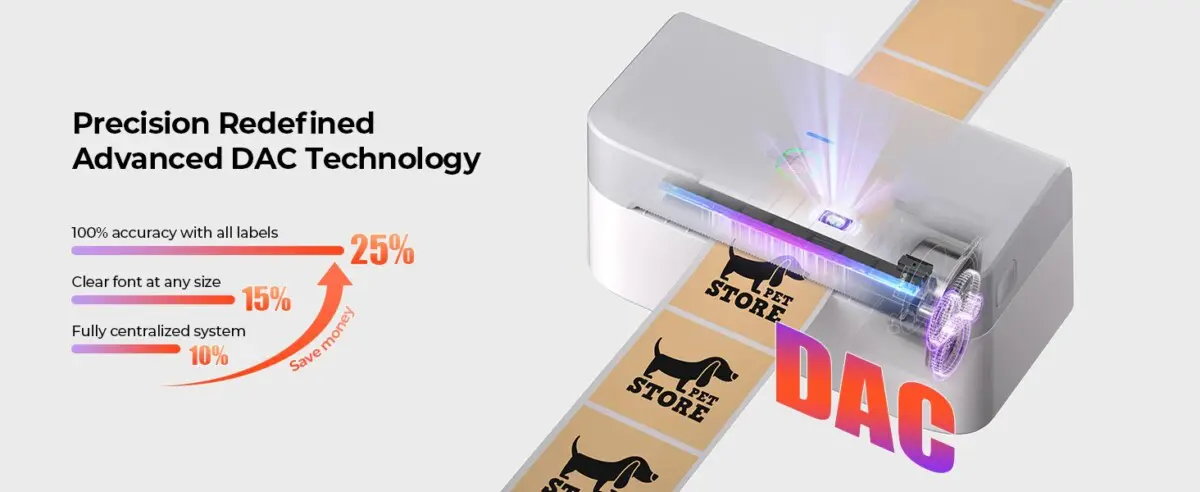
Why Get These for Your Business?
In today’s fast-paced world, the ability to organize information quickly and clearly has become a practical necessity rather than a luxury. Paperless trends and digital workflows have transformed how we think about data, but physical labels still serve a critical role.
For businesses, clear labeling improves operations and customer experience. For individuals, it brings calm to chaos and helps maintain order in spaces that quickly become cluttered. Whether labeling items during a move, organizing a workshop, or managing inventory, these tools support daily life in subtle but meaningful ways.
Practical Bridges Between Digital Content and Real-World Applications
A label printer and a color thermal printer serve as practical bridges between digital content and real-world applications. They help people communicate, organize, and present information in ways that boost clarity and efficiency. By understanding how these tools fit into various environments—from home to office to warehouse—individuals and organizations can make better decisions about how to handle their labeling needs.
Brands like Munbyn illustrate how thoughtful design and reliable performance can make these devices even more user-friendly, helping people focus less on technical frustration and more on getting results. In a world overflowing with data and tasks, simple tools that reduce complexity are worth attention and thoughtful use. As demand for smarter, clearer organization grows, these printers will likely continue to play a quiet but powerful role in everyday life.