
Table of Contents
This is a collaborative post.
With their signature glow emanating the brilliance of nature itself, Tiffany lamps enchant rooms across the globe over a century later. But behind the captivating colours lies the remarkable story of Louis Comfort Tiffany and the Arts & Crafts revolution his studio sparked in decorative arts.
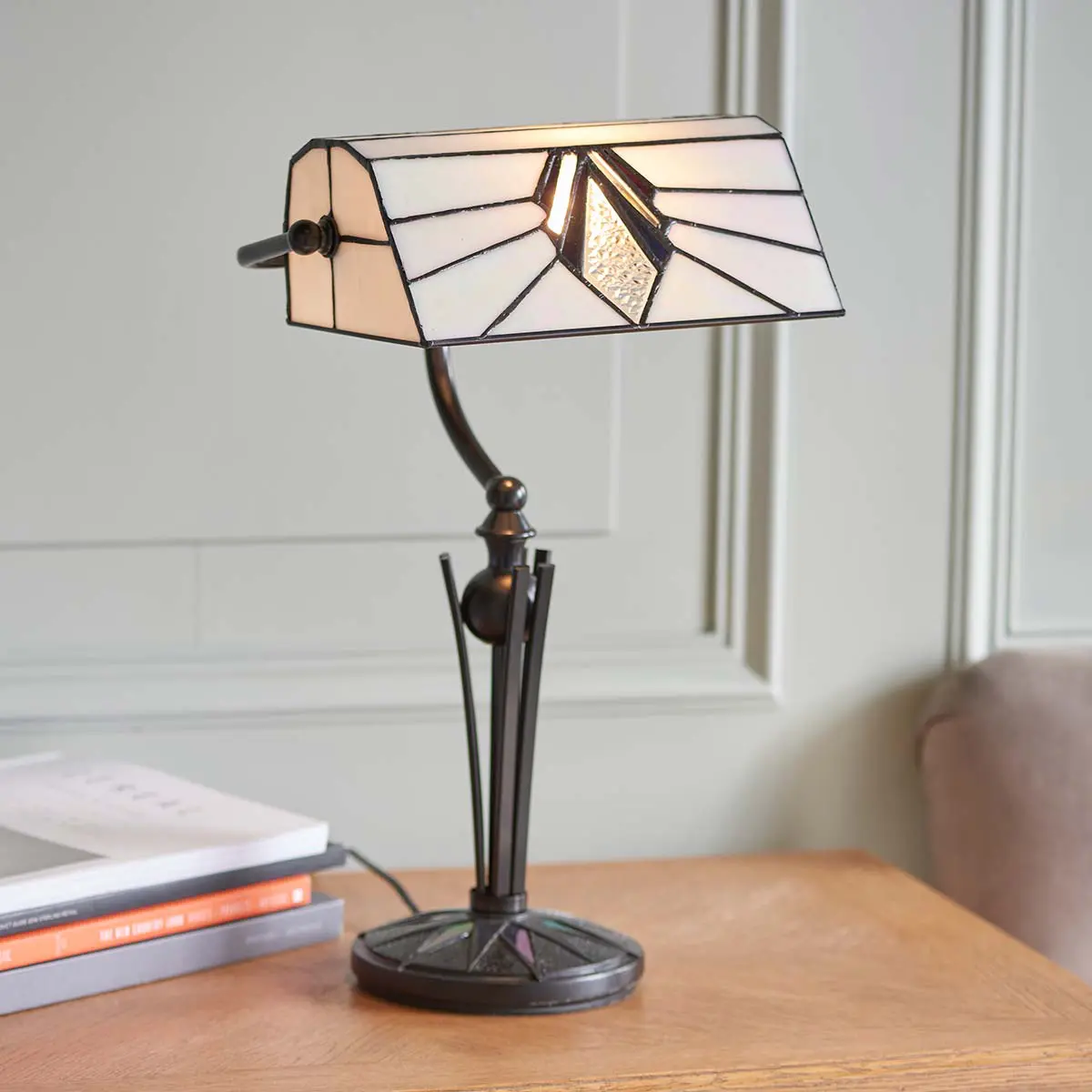
A Digital Journey Back in Time
To understand Tiffany lamps’ undying allure, we must first glimpse the world that shaped their genesis. As the 19th century drew to a close, breakneck industrialisation threatened traditional craftsmanship. Factories churning out cookie-cutter goods replaced artisans. Against this backdrop, the Arts & Crafts movement flourished by reviving mediaeval techniques paired with natural inspirations.
The Man Behind the Lamps
Born into luxury as the son of world-famous jeweller Charles Tiffany, Louis Comfort Tiffany seemed an unlikely champion of the common tradesman. But exposure to European cathedrals and Asian decorative arts during early travels ignited an appreciation for the nobility of handcrafted adornment.
After dabbling in painting and interior design, Tiffany found his calling in glasswork. Enraptured by the interaction of light and glass, he experimented to recreate the dazzling luminosity of opalescent glass in Roman and Byzantine architecture.
“Colour is to the eye what music is to the ear.” – Louis Comfort Tiffany
Tiffany Glass: Light and Nature Captured
In pursuit of his vision, Tiffany invented groundbreaking techniques. Instead of painted glass, he manipulated molten glass into never-before-seen textures and colours with metals and heat. Layering thick and thin fragments created variations allowing light to refract within the glass itself for deeper dimension.
He also pioneered copper foil construction enabling intricate lamp shades inspired by nature. Foliage, feathers, butterfly wings – no form lay beyond reach now. Every design captured organic beauty from an era when gas lamps first illuminated evenings once swallowed by nighttime darkness.
The Tiffany Legacy: From Studios to Museums
From this fertile creative garden, Tiffany Studios was born. At its peak, over 300 artisans churned out an astonishing one million dollars in lamps, windows, mosaics and secular arts a year. But Tiffany’s fortunes dimmed with the 1929 stock market crash, and the luminous works faded from mainstream popularity.
Today these creations enjoy a cult following among designers and collectors again. As functional sculptures honouring both classical and nature’s aesthetics, the best examples feature:
- Detailed bronze bases sometimes depicting imagery like bamboo or snakes
- Geometric or nature-inspired shades bearing Tiffany’s etched signature
- Glass selection showcasing artistic control over colour, translucency and texture
With only one in a thousand antique Tiffany designs surviving, these handcrafted capsules of Arts & Crafts history rarely surface outside premier auction houses and museums like the Charles Hosmer Morse Museum of American Art.
But much like 17th century Dutch painter Vermeer’s rare extant works, the scarcity of authentic Tiffany lamps only amplifies awareness of a forgotten artist upholding creativity against the age’s industrial tide – one brilliant twist of glass and glint of light at a time.
Over a century later, that defiant glow continues bewitching design lovers and daring today’s lighting companies to match their lustre.
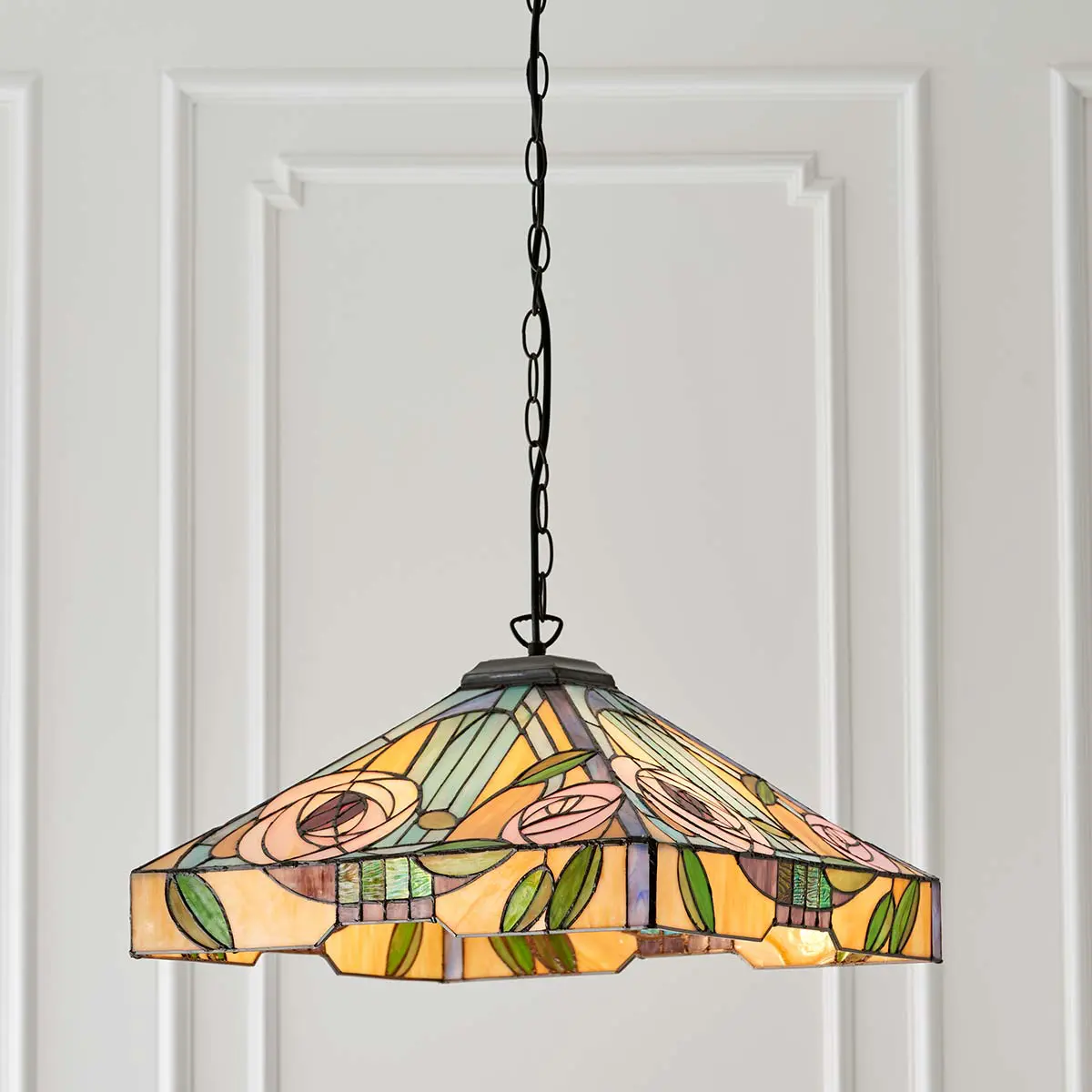
Modern Tiffany-Inspired Designs
Though authentic antique Tiffany lamps are increasingly rare and coveted, the iconic Tiffany style lives on as a popular inspiration for modern lighting design. From subtle nods to Tiffany’s nature themes to near replicas trying to capture the same luminescent glow using contemporary materials and methods, the Tiffany lamp’s allure refuses to burn out.
Technological Advances Expand the Tiffany Look
While the glassmaking advances behind Tiffany Studios’ meteoric success depended heavily on chemical mastery to control colours and clarity, today’s glass artisans employ alternate routes. Flameworking techniques allow more precise applications of colour directly to each glass piece instead of adjusting entire batches of molten glass. This expands details feasible for translating the depth and dimension of Tiffany lamp shades. Computer-aided design even enables scaling patterns to adjust sizes more easily.
Such methods allow lighting companies like Paul Crist’s to produce custom lamps made-to-order. Coupled with laser cutting and lead-free copper foil substitutes for assembly, they bring Tiffany’s love of nature and handcrafted glasswork to the masses instead of solely museums and mansions.
Preserving Tradition as a Beacon of Light
Yet for all the technology further democratising Tiffany-inspired art in homes today, the story woven into authentic antiques still outshines any modern marvel. Just as Tiffany lamps rose like a phoenix from the ashes of an industrialised society’s lost arts, something elemental touches the human spirit when we connect to our past through remnants still glinting decades later.
Beyond their monetary value assigned by early 20th century mastery meeting 21st century scarcity, genuine antique Tiffany lamps embody the American arts and crafts movement’s stand for returning adornment and beauty to everyday lives nearly smothered by factories in the name of progress. They withstand passing trends or technologies, never fading even as lighting hurtles toward smart bulbs and sleek minimalism.
Instead, the ella glow endures across generations because built into these lamps is our innate longing for art celebrating our environment and craftsmanship connecting us to masters devoted to their medium. And that yearning for beauty and wonder burning brightly against any age’s encroaching darkness persists in all of us whenever we behold something handmade.
We still seek solace from industrial homogeneity in spaces where dedicated artisans allowed whimsy and warmth to shape household objects into something telling a distinctly human story reflecting nature’s imagination – and our own. Over a century later, Tiffany lamps still light up rooms by brightening that story again and again.
Preserving Tiffany’s Legacy
As demand for Tiffany-style lamps remains strong among interior designers and collectors, preservation efforts are underway to protect original antique lamps as cultural artefacts.
Signatures of Authenticity
Determining which lamps truly originate from Tiffany Studios requires a careful eye. In addition to label stamps and etched studio marks, experts evaluate craftsmanship details matching Tiffany’s strict creative leadership. Aspects like glass texture, colour melanges and bronze casts offer clues to weed out modern tributes trying to profit off the Tiffany namesake alone. Documentation like receipts tracking ownership back to the early 1900s provide the best provenance.
Caring for Your Antique Treasure
Should you uncover a bonafide Tiffany lamp from great-grandma’s attic, proper care is crucial for maintaining its monetary and historical value. Keeping it dust-free and avoiding direct sunlight preserves the glasswork’s clarity and colouring. Experts recommend low-wattage bulbs emitting minimal UV rays as well. Leave wiring repairs to professionals to prevent damage.
Of course, above all experts emphasise keeping antique originals away from kids and chaotic rooms prone to flying projectiles! Once damaged or broken, the mastery inside a Tiffany creation remains lost forever like the ghosts of glass cutters past.
Where to View Iconic Tiffany Collections
Public institutions like New York’s Metropolitan Museum of Art and the Morse Museum in Winter Park, Florida house breathtaking permanent displays of original Tiffany lamps and other glass work within their decorative arts collections. Seeing multiple lamps showcasing Tiffany Studios’ range for different spaces provides invaluable inspiration for lighting designers today hoping to continue Louis Comfort Tiffany’s legacy well into the 21st century – and beyond.
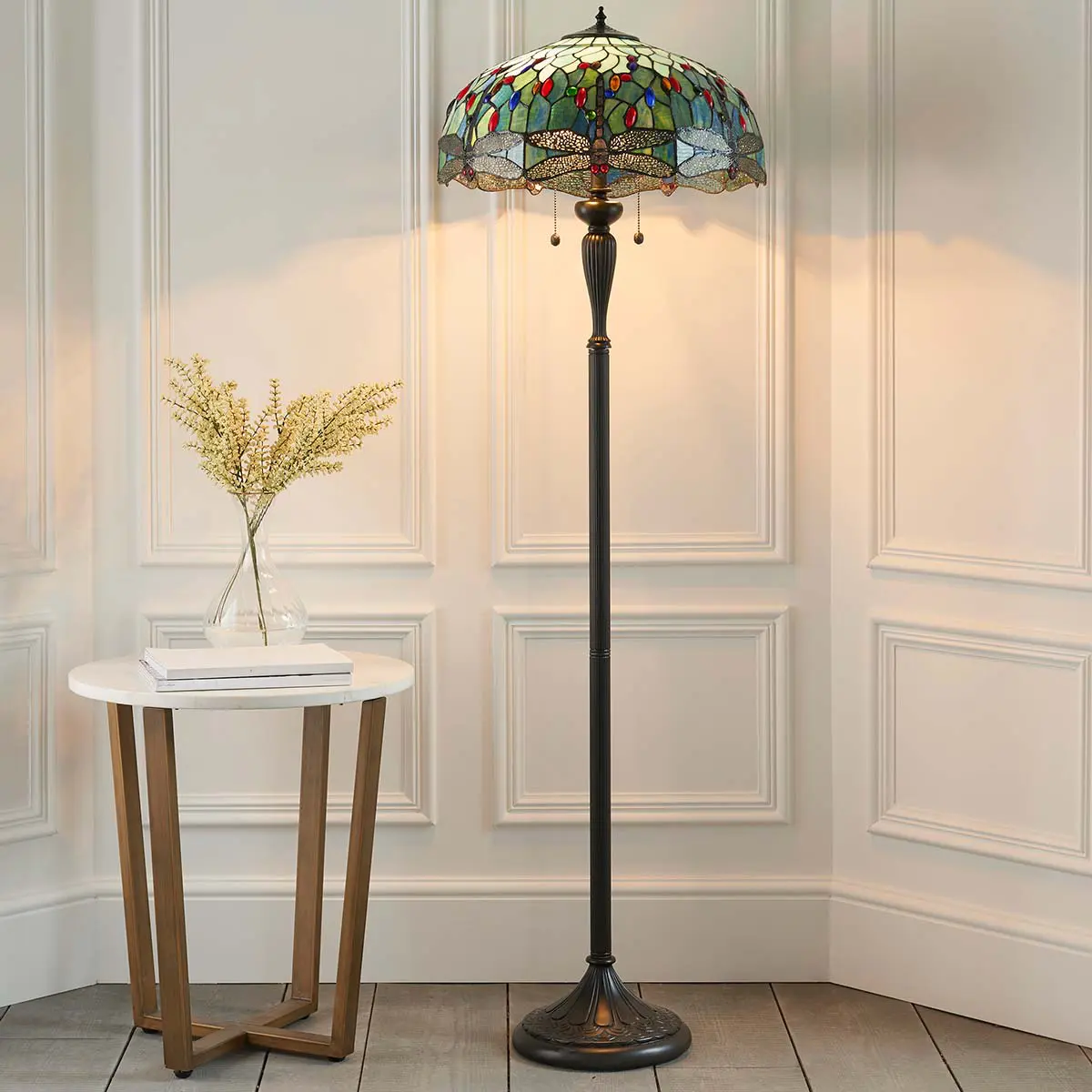
Bringing Tiffany Style Home
Though antique Tiffany lamps fetch sky-high sums at fine art auctions, more affordable interpretations exist for fans hoping to enjoy similar glowing ambience. Lighting companies offer an array of Tiffany-inspired fixtures to suit different spaces and budgets.
When selecting a lamp, pay special attention to glass texture mimicking irregular handcrafted materials over uniform machine-cut panes. Multi-dimensional shades with dimensionality showcase superior artistry – though such intricate bronze and glass work comes at a premium.
For overhead fixtures like these tiffany ceiling lights from Universal Lighting, you should ensure that any electrical boxes and chains can support the weight of larger multi-tiered designs before you invest. Also, these tiffany floor lamps around seating areas require attention to size and stability to prevent tipping hazards.
When installed properly in the right accent spots, Tiffany-style lighting casts any room with the magical glow of a turn-of-the-century artist’s garden. The glass itself captures imagination and brilliance destined to endure through the ages.
Tiffany Lamps Remain Icons
Over a century after Louis Comfort Tiffany founded his revolutionary studio, the luminous creations bearing its name continue kindling inspiration and imagination around the world. Tiffany lamps remain icons of the American Arts and Crafts movement by embodying the philosophy’s fervent commitment to melding art, nature and craftsmanship. Their one-of-a-kind glow carries that creative spirit forward to enthral new generations.
But above material legacy, these lamps also bear the imprint of a visionary undeterred from pursuing beauty amidst industrialization’s squeeze on artistic expression. And though we cannot replicate 19th century masterworks stroke for stroke any more than resurrect long-lost glassblowing alchemists, Tiffany’s wares still fire dreams. His studio’s meteoric flair for conjuring wonder out of glass endures as a timeless reminder of the irrepressible spark inside us all when we chase inspiration wherever it may lead.
Over a century later, fascination with Tiffany lamps burns brighter than ever. No matter how lighting technology evolves, something elemental in these handcrafted portrayals celebrating nature and craft kindles an eternal glow holding back the darkness with hopes still shining through kaleidoscopic glass – yesterday, today, and tomorrow.