
Table of Contents
Hallways are often the most overlooked areas in a home—but they’re also the first and last spaces guests see. Whether it’s a narrow corridor or a wide entrance hall, your hallway sets the tone for the rest of your interior. With thoughtful design, it can become more than just a passage—it can be a stylish, functional, and welcoming part of your home. In this article, let’s explore together smart, creative hallway design ideas to help you turn a blank stretch of wall into something beautiful and purposeful.
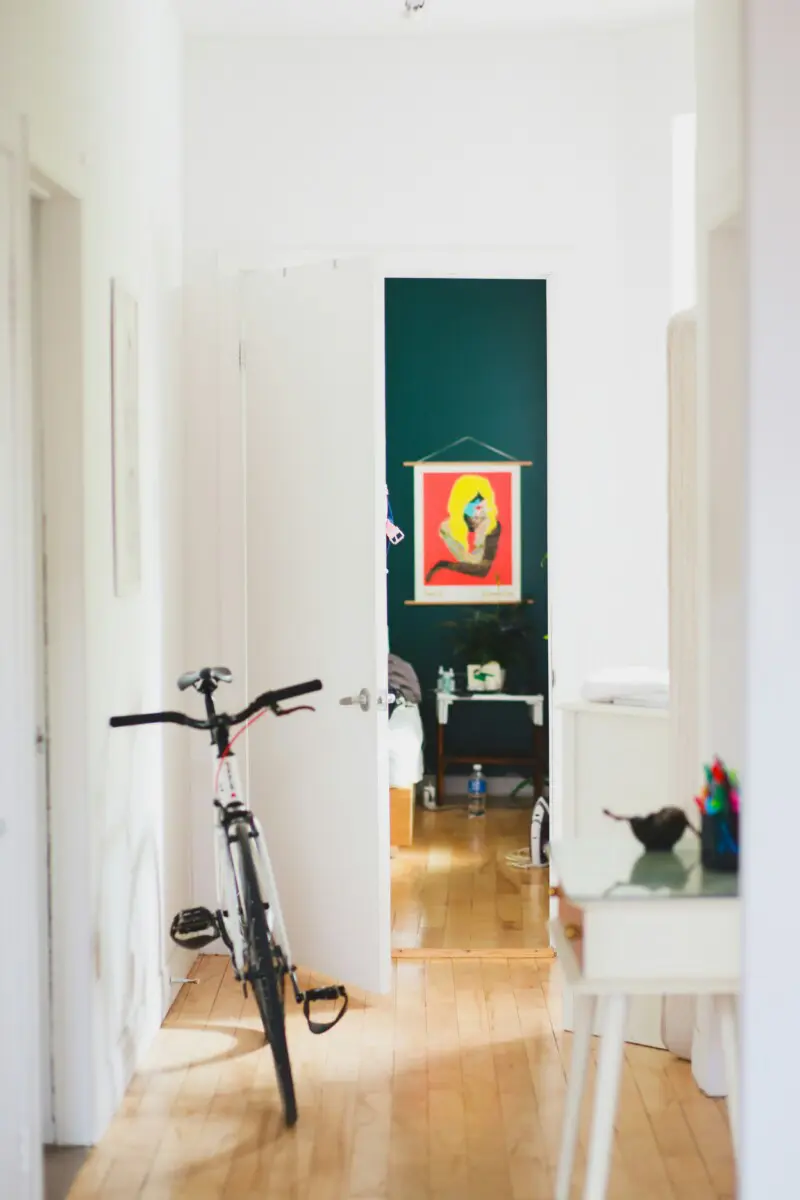
1. Understand the Purpose of Your Hallway
Start by defining the role of the hallway in your home. Is it:
- An entryway where guests are welcomed?
- A connecting corridor between rooms?
- A transitional space between floors?
- A high-traffic zone for kids, pets, and daily essentials?
Knowing how the hallway functions will help guide decisions around layout, lighting, furniture, and décor.
2. Maximize Natural Light (or Fake It)
Hallways tend to be dark and narrow. If you’re lucky enough to have natural light (via a skylight, side window, or glazed door), use sheer curtains or light-reflecting surfaces to enhance it. If not, focus on good artificial lighting:
- Wall sconces or track lighting can add brightness without overwhelming the space.
- Use mirrors to bounce light around—ideal for narrow or dim corridors.
- Consider a statement pendant light or chandelier in wider hallways or entryways to add a focal point.
3. Choose the Right Color Palette
Color can make or break a hallway’s atmosphere. Because these areas are often small or enclosed, lighter tones tend to work best:
- Soft neutrals (e.g., white, beige, greys) keep things airy.
- Warm tones like muted peach or sage green add a welcoming feel.
- Use contrasting trim or half-painted walls to create depth and structure.
For a bold look, consider dark colors like navy or forest green paired with plenty of lighting and art to avoid the space feeling closed in.
4. Make Use of the Walls
In narrow or tight hallways, your walls are your best friends. Here’s how to use them creatively:
Gallery Wall
Turn your hallway into a miniature art gallery. Mix and match:
- Family photos
- Framed prints
- Children’s artwork
- Vintage pieces
Keep the frames consistent in color or style for cohesion.
Wall Treatments
If you want to add visual interest without clutter:
- Try board and batten, wainscoting, or paneling
- Use textured wallpaper for depth and charm
- Add a feature wall using paint patterns or murals
For a sleek and stylish touch, consider using modern wallpaper for hallway designs that blend geometric patterns, subtle textures, or metallic accents to elevate the space without overwhelming it.
5. Add Storage Without Sacrificing Space
Storage in the hallway is often essential—especially near the entry. But it has to be smart:
- Slimline consoles or narrow benches double as décor and storage
- Use floating shelves or overhead cubbies for baskets and bins
- Add wall hooks or peg rails for coats, hats, and bags
In entry hallways, a shoe rack, mirror, and tray for keys can make a big difference to daily organization.
6. Floor It with Style
Don’t forget your flooring—it’s one of the largest design elements in any hallway.
- Wood flooring or laminate offers durability and warmth.
- Patterned tiles or mosaic floors add flair, especially in entrance halls.
- In long corridors, use a runner rug to soften the walk and inject texture or color.
Choose materials that are easy to clean and resistant to wear, particularly in high-traffic areas.
7. Create a Focal Point
Even a small hallway deserves something to catch the eye. Consider:
- A statement piece of furniture, like a painted side table
- A sculptural mirror
- A bold piece of art
- A feature wallpaper behind a console table
These elements ground the design and give the space purpose, drawing attention and making it feel finished.
8. Add Greenery or Natural Elements
Plants breathe life into even the smallest of hallways. Choose low-maintenance, low-light varieties like:
- Snake plant
- Pothos
- ZZ plant
- Succulents (for consoles or shelves)
No floor space? Try wall-mounted planters or hanging baskets from the ceiling. Wood, rattan, or ceramic pots add warmth and natural texture to the space.
9. Reflect Personality and Function
Above all, your hallway should reflect your personal style and support daily life. Whether you’re designing a grand foyer or a simple upstairs corridor, don’t treat it as a leftover space.
Ask yourself:
- What do I need from this hallway? Storage, style, or both?
- How can I make it feel connected to the rest of the home?
- What little detail could make someone smile as they walk through?
Sometimes, just one unique touch—like a quirky art piece, a colorful runner, or vintage hooks—can make a hallway unforgettable.
10. Final Tips for Hallway Design Success
- Keep it clutter-free: Avoid overcrowding with furniture or excessive decoration.
- Think vertically: Use wall space to keep floors clear.
- Repeat materials or colors from adjoining rooms to create flow.
- Update seasonally: Change out artwork, flowers, or rugs for a fresh feel year-round.
Hallways are more than connectors
They’re powerful design opportunities. With the right combination of lighting, color, furniture, and thoughtful detail, your hallway can become a space that’s not just passed through, but admired.
Treat it as an introduction to your home’s personality, and it will reward you with function, charm, and style in equal measure.