
Table of Contents
This is a collaborative post.
In the competitive world of hospitality, creating a welcoming and memorable atmosphere is essential for success. Lighting design is pivotal in achieving this, as it significantly impacts customers’ ambience and overall experience.
Whether it’s a chic restaurant, a cozy café, or a luxurious hotel, the right lighting can set the tone, create mood, and influence how patrons perceive a space. In this blog post, we’ll explore how thoughtful lighting enhances the ambience of Hospitality Design and why it’s a crucial element for any successful establishment.
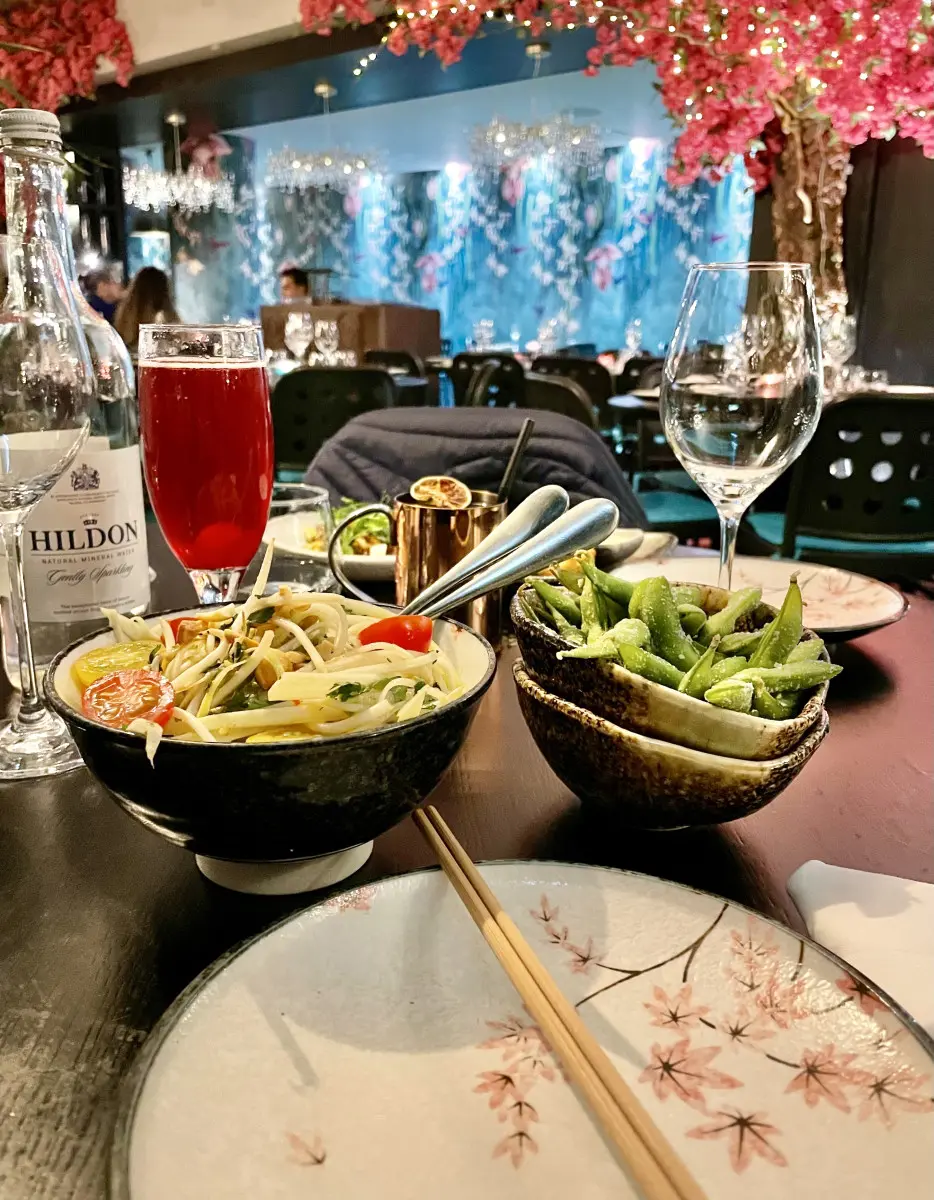
Setting the Right Mood
Lighting is one of the most effective tools for setting the mood in hospitality spaces. Different types of lighting create varying atmospheres, whether it’s a bright and airy café during the day or a dimly lit, romantic restaurant in the evening. For instance:
- Ambient Lighting: This is the base layer of lighting that provides overall illumination. In restaurants, ambient lighting can be kept low and warm to create a relaxed, intimate atmosphere, while in hotels or lobbies, brighter ambient lighting may be used to make the space feel more inviting and secure.
- Accent Lighting: Used to highlight specific areas, accent lighting draws attention to architectural features, artwork, or decor elements. It adds depth and texture to the space, enhancing the design while giving guests a visual focus.
- Task Lighting: Task lighting is essential in areas where functionality is key, such as at the bar, kitchen, or reception areas. It’s also used in restaurants to ensure diners can read menus comfortably without overpowering the space with brightness.
By carefully balancing these types of lighting, designers can set the tone for the entire venue, ensuring that guests feel comfortable and immersed in the environment.
Creating a Memorable Experience
For many hospitality venues, the ultimate goal is to provide guests with an unforgettable experience. Lighting plays a key role in enhancing visual appeal and stimulating the senses. When customers walk into a well-designed space, the right lighting can evoke emotions and create an immediate impression of the venue.
For instance, sophisticated lighting systems may be used in high-end restaurants or luxury hotels to create layers of light that evolve throughout the day, changing the atmosphere from a vibrant lunch setting to a more intimate and calming evening environment. This helps differentiate the venue’s offerings at different times and can even encourage guests to stay longer and enjoy multiple services, from a meal to after-dinner drinks.
Highlighting Key Architectural and Other Features
In hospitality spaces, it’s common to have design elements meant to be focal points, such as a stunning piece of artwork, unique architecture, or even a central bar. Lighting design accentuates these features, drawing guests’ eyes to the venue’s best attributes.
For example, pendant lights or chandeliers are often placed over the bar area in bars or lounges to make it a standout feature. Similarly, in hotels, lobby lighting might be focused on a grand staircase or artwork to elevate the sense of luxury and refinement. By strategically using lighting to highlight these features, venues can leave a lasting impression on guests and make their spaces more Instagrammable and shareable.
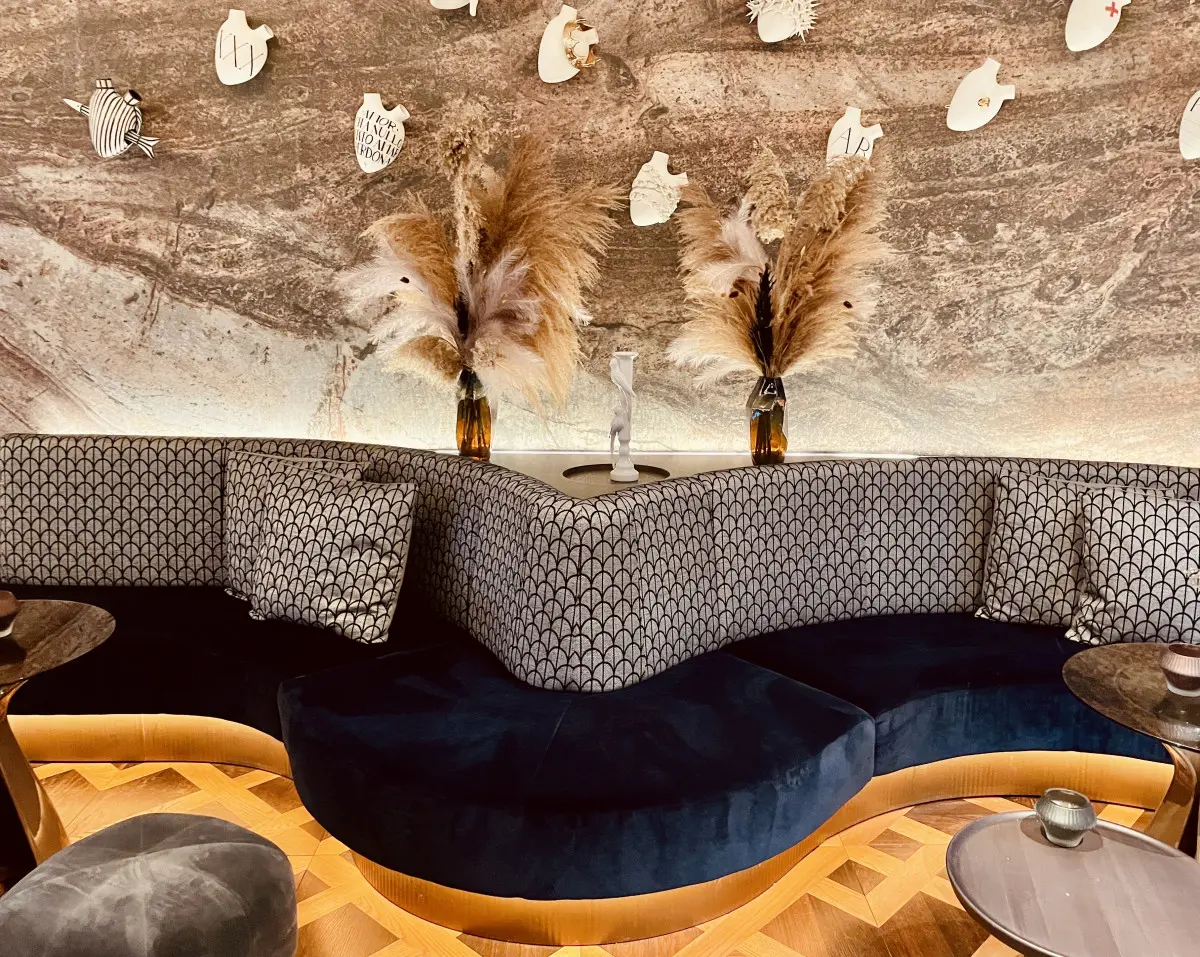
Comfort and Well-Being Benefits
Another key consideration in lighting design is how it affects guests’ comfort and well-being. Harsh lighting can create an unwelcoming environment, while poorly lit spaces can make customers feel uneasy. The right lighting balance helps create a comfortable space where people can relax and enjoy themselves.
Warm lighting, for example, is often used in hospitality venues to promote relaxation and make people feel at ease. This is particularly important in spaces like restaurants and lounges, where guests are encouraged to spend extended periods. In contrast, cooler lighting might be used in areas where higher energy and productivity are desired, such as in a hotel’s business center or meeting rooms.
Additionally, lighting can be designed to mimic natural daylight, which has been shown to improve mood and increase guests’ overall well-being. This can be particularly important in windowless spaces, ensuring the venue remains inviting and pleasant throughout the day.
Sustainability and Energy Efficiency
Modern lighting design also considers sustainability, with many hospitality venues opting for energy-efficient solutions that reduce their carbon footprint. LED lighting, for instance, is commonly used for its energy efficiency and longevity. This benefits the environment and reduces the venue’s operating costs.
Many hospitality spaces also adopt smart lighting systems, which adjust the brightness and intensity of lighting based on the time of day or the number of people in the room. This allows for optimal energy use and ensures lighting always complements the ambience, without unnecessary wastage.
Lighting Design is far More Than a Functional Necessity
Lighting design is far more than a functional necessity in hospitality venues—it is crucial to creating a welcoming, engaging, and memorable environment for guests. From setting the mood to enhancing the visual appeal of the space, the right lighting can transform an ordinary venue into an extraordinary one. By carefully considering the type, placement, and intensity of lighting, hospitality venues can significantly elevate the guest experience, ensuring their space stands out in a competitive market.