
Table of Contents
This is a collaborative post.
It probably doesn’t come as a surprise that most cleaning products are unsustainable. Whether it’s the product itself or the plastic bottle it comes in, there are several ways they can be deemed damaging to the environment.
So, how can you clean your house sustainably? Luckily, it’s easier than you might expect and doesn’t take much adjustment. Let’s cover the main points so you can start cleaning greener.
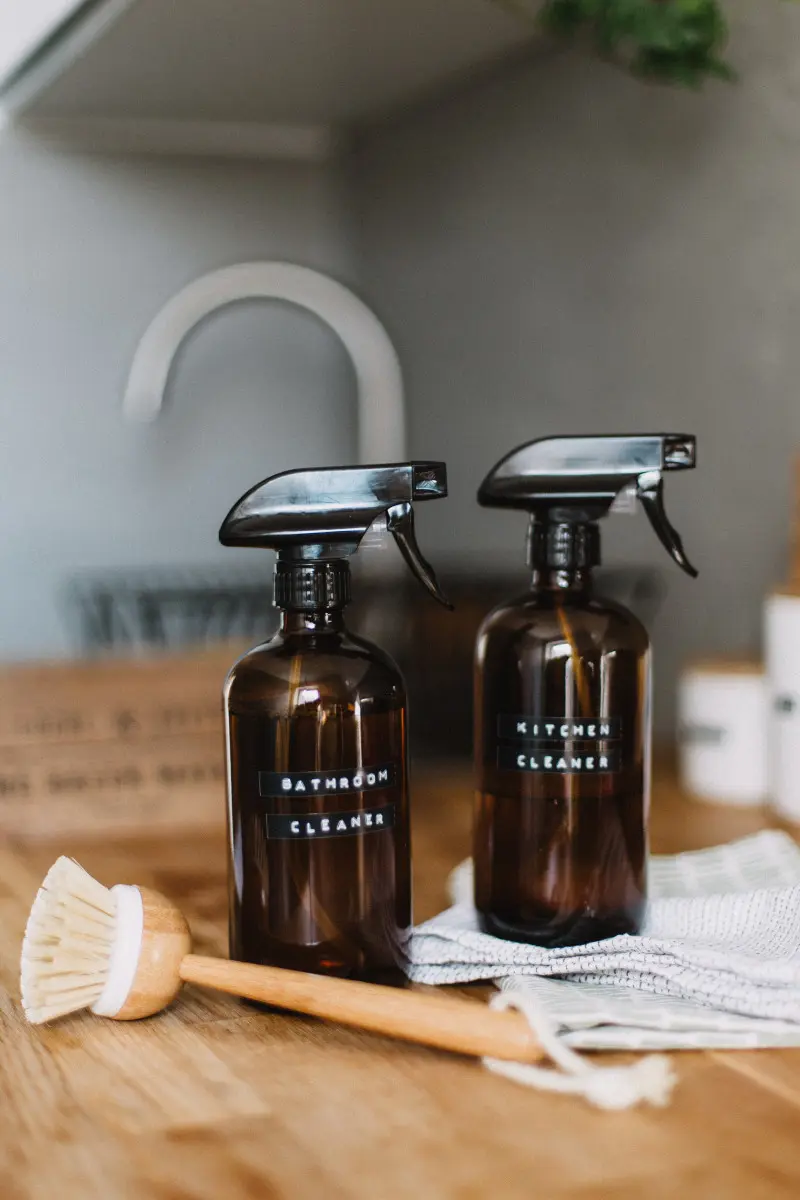
How Can I Clean My House Sustainably?
-
Reduce Consumption
In the order of sustainable practices, reduce has the most impact. After all, using less of something reduces its environmental impact simply because, over time, less will be produced. But how does this relate to cleaning products?
The first step is to assess how many cleaning products you actually need. Specifically, it’s unlikely that you need a dedicated cleaner for your kitchen, bathroom, and so on. Most of them do the same job with very little variation in their ingredients.
Find a decent all-round cleaning spray and use this. You might still need a limescale remover or degreaser, but you can use natural products for these purposes. White vinegar is a great product that can tackle almost any cleaning job around the home.
-
Reuse Where Possible
Reusing is the next most important point on the sustainability scale, followed by recycling. In the context of cleaning, we can cover them together because they largely mean the same thing.
When it comes to reusing, this means repurposing things around the house for cleaning. The best examples are toothbrushes for cleaning grout and t-shirts for cleaning rags. These save you from buying new things and give new life to otherwise old products.
You can also reuse old cleaning product bottles for new products. Avoid reusing bottles that contained harsh chemicals, but a natural kitchen spray bottle could be reused, as could a washing up liquid bottle.
If you do need to buy new products, aim to stick with ones in recyclable packaging. The best option is metal, followed by card. While plastic is recyclable, it’s best avoided as much as possible.
-
Use Natural Products
White vinegar, bicarbonate of soda and other natural products are great for cleaning and have very little environmental impact. What’s more, they’re incredibly versatile. White vinegar, for example, can be used as glass cleaner, degreaser, odour remover, and more.
This logic extends to other products too. For example, if you need a cleaning spray, go with a brand that uses natural ingredients over synthetic chemicals. It’s worth remembering that your environmental impact doesn’t stop in your home. Harsh cleaning products can affect waterways and wildlife, so steer clear of them where possible.
A lot of cleaning companies also use now child and pet-friendly products that are free from harsh chemicalsl like Maid in Hoboken – check out their website.
-
Buy Products without Water
This might sound odd but it makes a lot of sense. Think of a bottle of kitchen spray. Generally speaking, it’ll be about 90% water. This takes up space and weighs a surprising amount. Removing it from the product drastically reduces the environmental impact associated with shipping.
Plenty of companies have sprung up to address this. For example, there are loads selling cleaning products that you dilute in water, or make laundry products that are solid tablets rather than liquid-based tabs.
You simply pop the cleaning products in a bottle and dilute them with water. After all, you’ve already got it coming out of your tap, so why pay to ship it across the country (or even the planet)?
-
Buy in Bulk
Similarly, buying in bulk can have sustainability benefits. If there are products that you need to buy in liquid form that only come in plastic bottles, buy the biggest one possible. For example, a 5L bottle of washing up liquid uses around 40% less plastic than a conventional sized bottle.
Buying in bulk can often benefit your wallet too. You should find that bulk products, especially bought online, will be more cost-effective than buying the same amount in individual bottles.
That said, a good option for buying bulk cleaning products is zero waste shops. They might have a limited range of products but many carry big sustainability brands like Ecover. They also sell bicarb of soda and white vinegar, so you’ll have all your cleaning needs covered!
Final Thoughts
Cleaning your house sustainably is less about the cleaning itself and more about the products you choose to use. Provided you can make the appropriate shifts in your buying habits, you shouldn’t have to do much to your actual cleaning processes, other than possibly using a bit more elbow grease! If you currently have cleaning services in London, then you can ask your cleaner to use these methods and ensure your home is stocked up on eco-friendly cleaning solutions.