
Table of Contents
This is a collaborative post.
Every teen deserves the chance to unlock their true potential through sports and physical activities, building the kind of confidence that stays with them for life. Sure, today’s young people face some unique challenges when staying active and connected. That’s exactly why creating supportive environments where they can thrive, both on and off the field, matters more than ever. When schools, families, and communities team up, the results speak for themselves. These partnerships do more than check boxes—they open doors for teens to develop strength, resilience, and lasting friendships. The connections formed during practice, games, and team activities often become the foundation for lifelong relationships and personal growth. Let’s see how to help active teens thrive through school and sports.
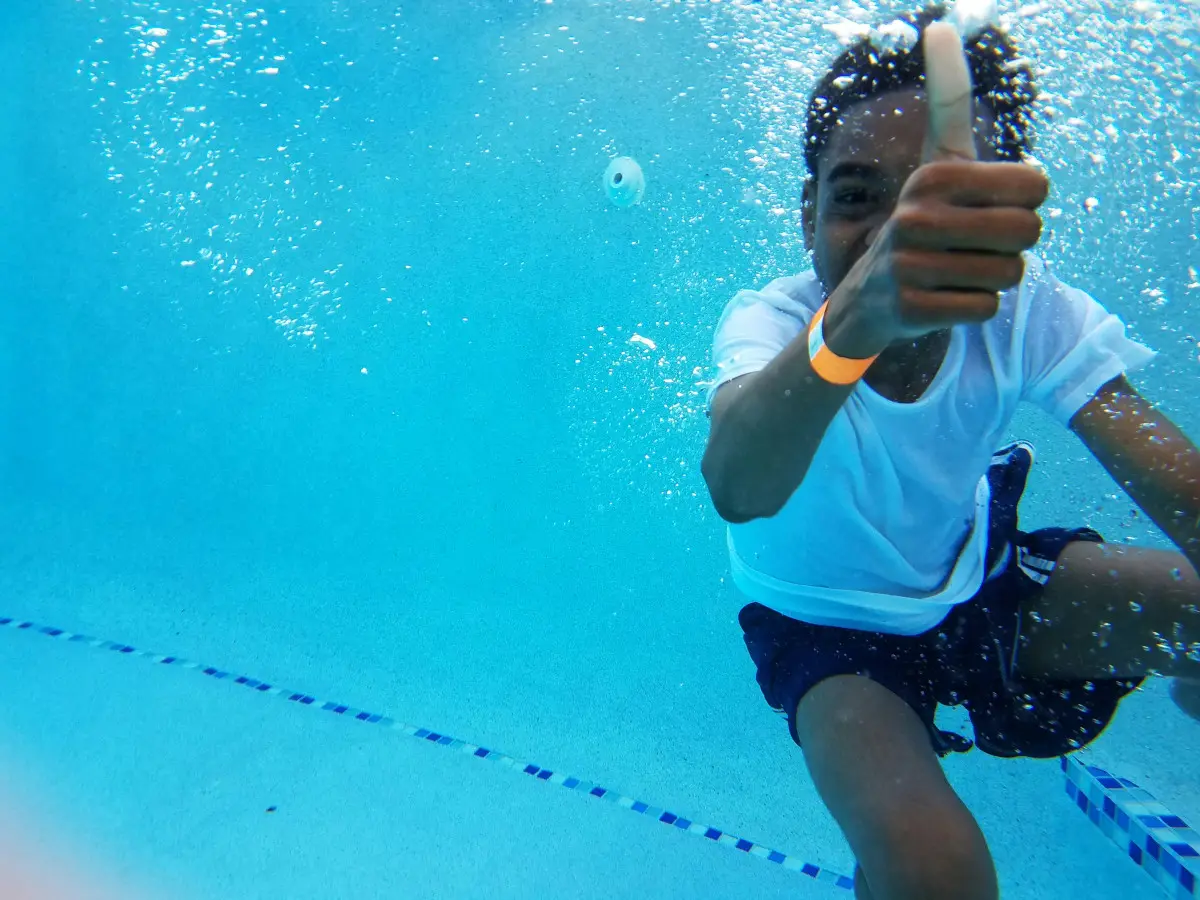
Building Confidence and Belonging Among Active Adolescents
There’s something transformative about the way sports shape a teenager’s world. It’s not just about winning games or staying fit. Athletic participation becomes a cornerstone of identity, a place where young people discover their strengths while forming bonds that often last a lifetime.
When active teens step onto the field wearing their pro-style custom football uniforms, they’re not just dressed for the game; they’re wearing their pride, their commitment, and their connection to something bigger than themselves.
Even the smallest details matter in building team identity. Those personalized custom team crew socks might seem like a minor touch, but ask any teen athlete—they’re badges of belonging, small symbols that say “I’ve earned my place here.”
Yet here’s what keeps educators and parents up at night: only 26.1% of high school students get their daily dose of physical activity. That’s not just a statistic—it’s a call to action. We need programs that don’t just get teens moving but make them excited to show up, day after day.
The ripple effects of athletic participation touch every aspect of an active teen’s life. Shared victories and defeats forge lasting friendships, while team responsibilities teach leadership skills early. Regular training strengthens both body and mind, creating a sense of belonging that extends from the locker room to the classroom.
Most importantly, the discipline learned through sports translates directly into better study habits and grades—proof that lessons learned on the field shape success everywhere.
Encouraging School Participation and Early Intervention
Let’s face it—we need to act fast to get more students involved in sports and physical activities. While 58% of youth currently participate in team sports, that means we’re missing nearly half of our students. Think about all those teens sitting on the sidelines, unsure if there’s a place for them on the field or court.
Schools are uniquely positioned to change this narrative. They’re often the first to notice when a student starts pulling back, and they have the power to create inclusive environments where every teen, regardless of skill level, feels welcome to participate.
Smart schools are already making moves with strategies that actually work:
- Pairing experienced athletes with newcomers through peer mentorship—because sometimes the best coach is someone who remembers being nervous too
- Opening up the gym during lunch for casual skills sessions—no pressure, just practice
- Building practice schedules that work around jobs, family responsibilities, and academic commitments
- Offering one-on-one coaching for students who need that extra boost of confidence
These multi-tiered approaches are game-changers. When schools combine regular check-ins with real skill-building opportunities, transformation happens.
Students who once avoided PE start showing up early, discovering talents they never knew they had. The key is catching these moments early, before disengagement becomes a pattern, ensuring more teens experience the confidence that comes from finding their place in sports.
Nurturing Relationships With Adults and Peers
The bond between an active teen and their coach can change everything.
When young athletes connect with mentors (whether coaches, teachers, or other adult role models), they gain far more than technical skills. These relationships become anchors for emotional well-being during the rollercoaster years of adolescence. Trust grows naturally in the regular rhythm of practices and games, creating safe spaces where teens can be themselves.
The impact reaches far beyond the field. Teens with strong mentor relationships develop crucial life skills:
| Sports Experience | Life Skill Developed |
| Constant team interaction | Enhanced communication |
| Navigating game strategies | Sharper problem-solving |
| Honest coaching feedback | Greater emotional awareness |
| Consistent encouragement | Rock-solid confidence |
| Learning from experienced guides | Better stress management |
Leadership opportunities amplify these benefits. When teens lead warm-ups, mentor younger players, or organise team events, they’re not just filling roles—they’re building character. These experiences strengthen social connections while teaching resilience and interpersonal skills that last a lifetime. It’s this powerful combination of adult guidance and peer leadership that creates environments where young people don’t just participate—they thrive.
Family Engagement in Teen Wellness
When parents show up (as in really show up), everything changes. It’s not just about being another face in the bleachers. Parents who actively engage with their teens’ sports and academics create the foundation for something powerful.
Every game attended, every conversation with a coach, every practice run watched sends a clear message: you matter. This involvement builds self-confidence in ways that last far beyond the final score.
The most effective family support goes deeper than cheering from the sidelines:
- Showing up consistently, not just for the big games
- Building real relationships with coaches and staying in the loop
- Helping teens balance sports commitments with homework and downtime
- Celebrating wins and learning from losses together
- Rolling up sleeves for team fundraisers and events
Here’s where the partnership gets crucial: when families and coaches communicate regularly, they catch the warning signs early—the exhaustion, the stress, the first hints of burnout. Together, they help teens develop the emotional toolkit needed to navigate pressure, whether it’s a tough season or a challenging semester. This collaboration doesn’t just produce better athletes; it raises resilient young people who know how to handle whatever life throws their way.
Building Tomorrow’s Champions
Supporting teens in their athletic journey isn’t a solo mission. It takes a village that extends far beyond the sidelines.
When schools, families, and communities join forces, they create something extraordinary: spaces where young athletes don’t just play sports but discover who they are, forge unbreakable bonds, and master skills that shape their entire lives.
The goal is clear: close the participation gap through thoughtful support systems and programs that welcome everyone. This isn’t just about raising athletes; it’s about nurturing confident, connected young people who carry the lessons of teamwork, resilience, and healthy living into everything they do.