
Table of Contents
This is a collaborative post.
A strange new sound emerges from the cupboard under the stairs. A faint, unfamiliar odour lingers near the kitchen. Your radiators feel lukewarm at best. These subtle shifts in your home’s atmosphere are not merely quirks; they are messages. Your central heating system is trying to tell you something. Recognising these signals, and understanding when they demand expert intervention, stands as a critical skill for any homeowner. Ignoring them risks transforming a manageable repair into a catastrophic failure.
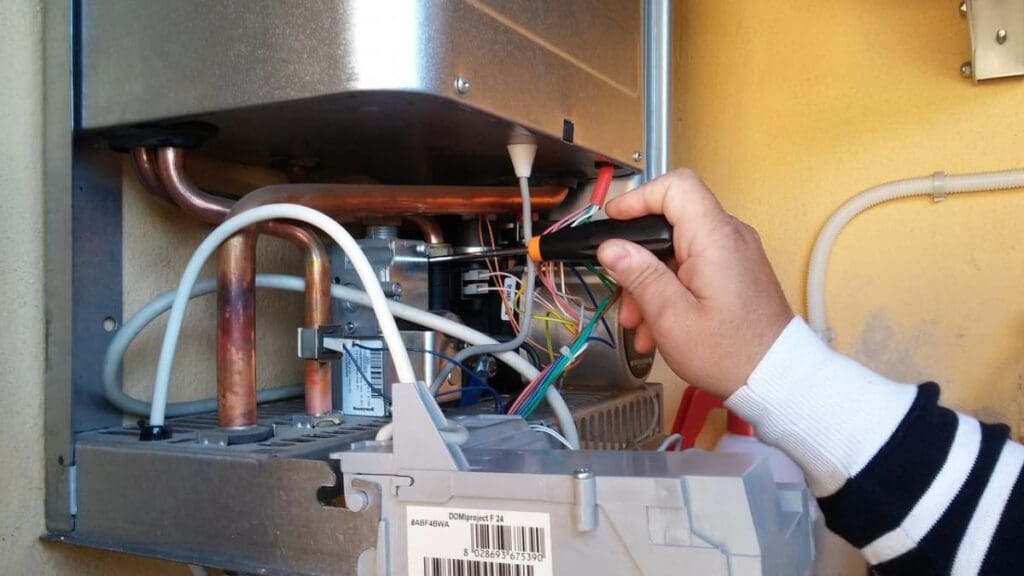
Unusual Noises and Their Meanings
Boilers are not designed to be silent, but their operational hum should remain a background constant. Listen carefully for new, disruptive sounds. A persistent kettling noise, reminiscent of a boiling kettle, often indicates limescale or sludge accumulation on the heat exchanger. Gurgling or banging suggests trapped air or an issue with water flow, creating pockets of steam that collapse violently. Whistling can point to a fault in the pump or a valve. These auditory clues are specific diagnostics, not random annoyances. Arranging for an annual boiler service allows a technician to catch these developing issues long before they escalate into noisy, expensive problems.
Concerning Leaks and Drips
Discovering any amount of water around your unit is a serious matter. Puddles or persistent dripping signal a failure in the internal seals, pump, or a valve. This is not a situation for a DIY fix or hoping it will resolve itself. Water leaking onto electrical components creates a significant safety hazard. Furthermore, persistent moisture leads to corrosion of other parts and can damage your property’s structure or flooring. The location and colour of the water (clean versus rusty) offer a trained engineer vital information about the failure’s source.
Shifting Flame Colours
If you have a visible flame inside your boiler (boiler flame flicker), its appearance provides a direct health report. A healthy, efficient burner produces a crisp blue flame with perhaps a small yellow tip. A predominantly yellow or orange flicker is a major warning sign. This colour change typically means the fuel is not burning completely, potentially releasing carbon monoxide—a silent, odourless, and deadly gas. Immediately shut the system down and contact a Gas Safe registered engineer. Never ignore this particular visual signal.
Persistent Cold Radiators
When multiple radiators refuse to get hot, or remain cold at the bottom despite bleeding, your boiler is likely struggling. This common symptom frequently points to a failing pump, which cannot circulate hot water effectively through the system. It could also be a sign of a blockage or a problem with the boiler’s internal thermostat. While bleeding radiators is basic maintenance, a system-wide failure to heat indicates a core mechanical problem that demands professional diagnosis and repair.
A Sudden Spike in Bills
Have your energy costs climbed sharply without a corresponding increase in usage? An inefficient boiler works much harder to produce the same level of heat. As components wear out or limescale builds up, the system’s efficiency plummets. It must burn more gas for longer periods, a waste that is directly reflected in your bills. This financial bleed is a clear economic signal that your appliance is no longer operating optimally and needs a professional assessment.
The Inexplicable Pilot Light
A pilot light that frequently goes out, or one that burns with a lazy, yellow flame instead of a sharp blue one, indicates underlying trouble. Modern combi boilers don’t have a permanent pilot light, but the ignition system can still fail. Causes range from a faulty thermocouple to a draught blowing it out, or a more serious issue with the gas pressure. Repeatedly relighting it is not a solution; it is a temporary, and potentially dangerous, workaround for a problem that requires expert correction.
Understanding these signs transforms you from a passive resident into an informed custodian of your home. Your boiler’s language is one of sounds, sights, and performance. Learning to interpret its whispers prevents you from having to endure its eventual, costly shout. When in doubt, the safest and most economical path always leads to qualified, certified professional help.