
Table of Contents
Ready to make the best roofing decision for your home? Choosing a roofing material is one of the most important decisions you’ll make as a homeowner. After all, your roof protects everything you care about. But there’s a catch: there are so many options out there that most homeowners get overwhelmed.
The truth is that different materials offer different advantages, lifespans, and costs. And if you choose the wrong material for your home, you might be looking at expensive repairs, energy inefficiency, or even an early roof replacement.
That’s why it’s so crucial to know your options. In this complete guide, I’m going to cover the most popular roofing materials so you can make an informed choice that suits your home’s needs, your budget, and your long-term goals.
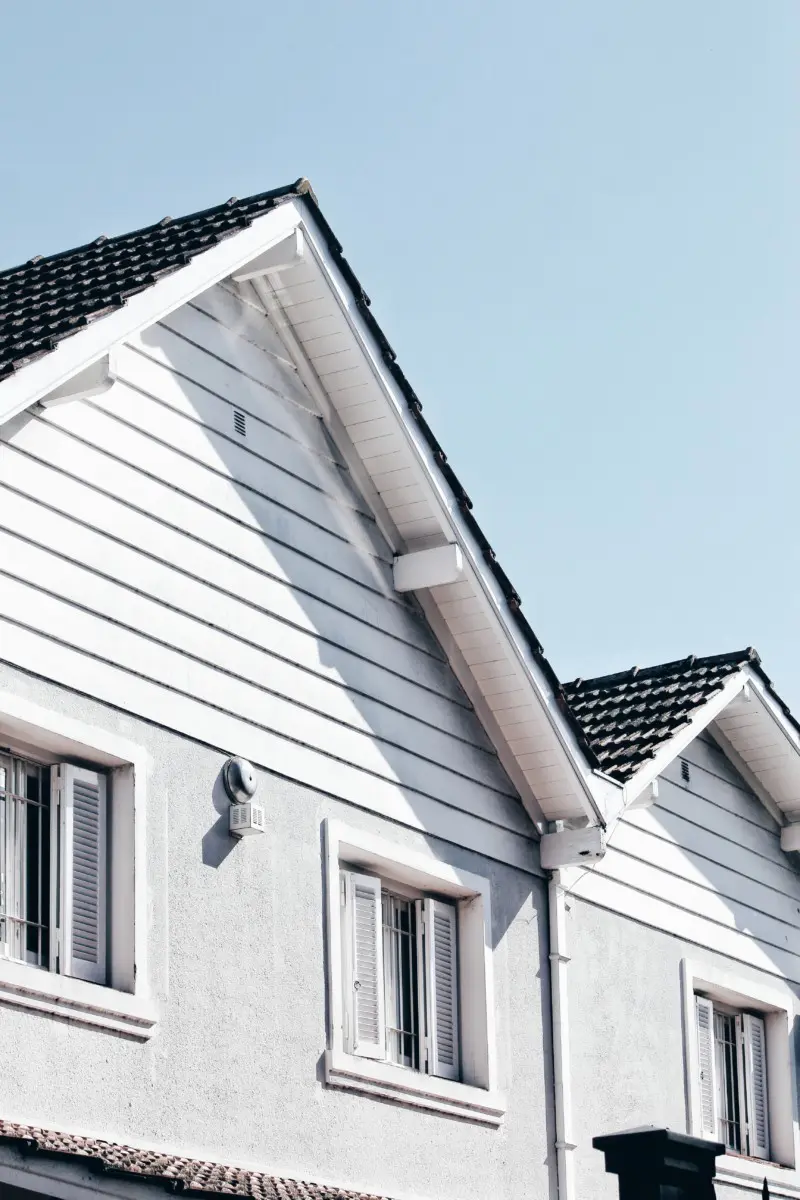
What you’ll discover:
- Why Material Choice Makes All The Difference
- The Top 5 Roofing Materials For Residential Homes
- How Long Each Material Actually Lasts
- Cost vs. Value Analysis You Need To Know
Why Material Choice Makes All The Difference
Before we jump in, let me give you a little insider info.
The roofing material you choose has an impact way beyond the curb appeal of your home. It will also influence your energy bills, maintenance costs, insurance rates, and even the value of your home when you go to sell.
Think about this: 83% of roofing contractors claim asphalt shingles are their main source of revenue for a reason. Homeowners typically go with what’s cheapest upfront and don’t account for the long-term costs.
But that’s not always the smartest decision. Expert Roof Repair Services know that the right material can save you thousands in the long run. Spending more upfront on quality roofing solutions protects the structural integrity of your home and your bank account. The trick is knowing what each material brings to the table so you can make the best choice for your home.
The Top 5 Roofing Materials For Residential Homes
Okay, time to get into the juicy stuff: the most popular roofing materials for homeowners right now. Each of the following options has its pros and cons, so let’s dig in.
Asphalt Shingles: The Most Popular Choice
Asphalt shingles are the king of the residential roofing market for a reason. They are inexpensive, relatively easy to install, and come in a variety of colors and styles. The main reason homeowners choose asphalt shingles is the availability of architectural shingles, which provide a good balance of cost, durability, and curb appeal.
Lifespan: 20-30 years
Metal Roofing: The Long-Lasting Option
Metal roofing is quickly rising in popularity. It is durable, energy-efficient, and great at handling extreme weather conditions. The best part about metal roofs? While they cost more upfront, they can last 50-100 years with proper maintenance.
Lifespan: 40-70+ years (depending on the material used, some metal roofs last more than 100 years)
Clay and Concrete Tiles: The Classic Choice
Clay and concrete tiles offer unmatched beauty and durability. They are naturally fire-resistant, energy-efficient, and stand up better to hurricanes and hail damage than most other roofing materials. The downside? They are heavy and will require additional structural support.
Lifespan: 50-100+ years for clay, 30-50 years for concrete
Wood Shingles and Shakes: The Natural Look
Nothing is more beautiful than natural wood roofing. Cedar is the most common wood material due to its natural resistance to insects and decay. The issue? Wood requires more maintenance than most other roofing materials. You’ll need to treat it regularly to prevent rot, mold, and insect damage.
Lifespan: 25-40 years with proper maintenance
Slate Roofing: The Premium Option
Slate is one of the most durable and elegant roofing materials available. This natural stone product can last over 100 years with proper maintenance. The catch? Slate is the most expensive roofing material and extremely heavy.
Lifespan: 75-100+ years
How Long Each Material Actually Lasts
Did you know that 31% of homeowners have completed roof renovation projects in the last three years? Why so many? It turns out most people have no idea how climate, installation, and maintenance impact roof longevity.
The reality is this:
- Climate is a huge factor. A roof in Florida faces different challenges than one in Minnesota. Sun, rain, wind, snow, and extreme weather all play a role in roof lifespan.
- Installation quality matters. It doesn’t matter if you have the best materials if they are installed incorrectly. That’s why it’s critical to choose experienced contractors.
- Maintenance makes a big difference. Regular inspections and minor repairs add 10-15 years of life to your roof.
Cost vs. Value Analysis You Need To Know
The cheapest option upfront always costs the most over the life of the roof.
- Asphalt Shingles: Lowest cost, but must be replaced every 20-25 years. Good for budget homeowners.
- Metal Roofing: 2-3x more upfront, but may never need replacement. Best ROI over 30+ years.
- Clay/Concrete Tiles: Moderate to high cost, but rarely need complete replacement. Excellent value in right climate.
- Wood Shingles: Moderate cost, must be replaced every 25-40 years. Good for homeowners who love the look.
- Slate: Highest cost, but a lifetime roofing material. Best long-term investment.
The bottom line? If you plan to stay in your home for decades, premium materials make sense. Planning to sell in the next few years? Mid-range options are wiser.
Making The Right Choice For Your Home
Choosing roofing material isn’t just about cost and style. Consider your climate, your home’s structure, your budget, and your long-term plans when deciding. A few key questions to ask yourself:
- What kind of climate do you live in? Hot, sunny regions benefit from more reflective materials, while cold climates require different materials to handle freeze-thaw cycles.
- How long do you plan to stay in your home? Homeowners who plan to stay a long time can consider more premium roofing materials. Shorter-term owners may want to stick to more cost-effective options.
- What kind of structure do you have? Can it handle heavy materials like slate and tile, or do you need something lighter?
Smart Shopping Tips
Ready to start shopping around for roofing materials?
Get multiple quotes from licensed contractors who specialize in your desired material. Compare their warranties, installation techniques, and overall experience.
Ask about energy-efficiency options. Many roofing materials have cool roof technology that can help lower your energy bills.
Budget for surprises. Set aside 10-20% of your total budget for structural repairs or permit fees that may come up.
The Final Decision
Choosing roofing materials doesn’t have to be a headache. Start by narrowing down your options based on your climate, budget, and style preferences. Then get quotes from qualified contractors for your top 2-3 materials. Remember: your roof is one of your home’s most valuable investments. Take the time to choose the right material, and it will reward you for years to come.
Your Roof is More Than Just a Cover For Your Home
It protects your family, your belongings, and your investment. With 90% of roofing contractors predicting continued growth in the roofing industry over the next decade, there has never been a better time for homeowners to explore their options.
The materials covered in this article represent the best choices for most residential roofing applications. Each has a place in different scenarios depending on your specific needs, budget, and preferences.
Remember: The best roofing material for your home is the one that fits your situation perfectly. Don’t let anyone push you into materials that aren’t the right fit for your home, your budget, or your long-term plans.