
Table of Contents
Selecting the right head protection is not just a workplace safety measure, it’s a critical decision that can significantly reduce the risk of serious injuries. Whether you’re managing a construction site, an industrial plant, or working in confined spaces, understanding the key features and standards that define effective headgear is essential. Products like the MSA safety helmet are specifically engineered to meet these rigorous demands, combining comfort with impact resistance and long-term wearability.
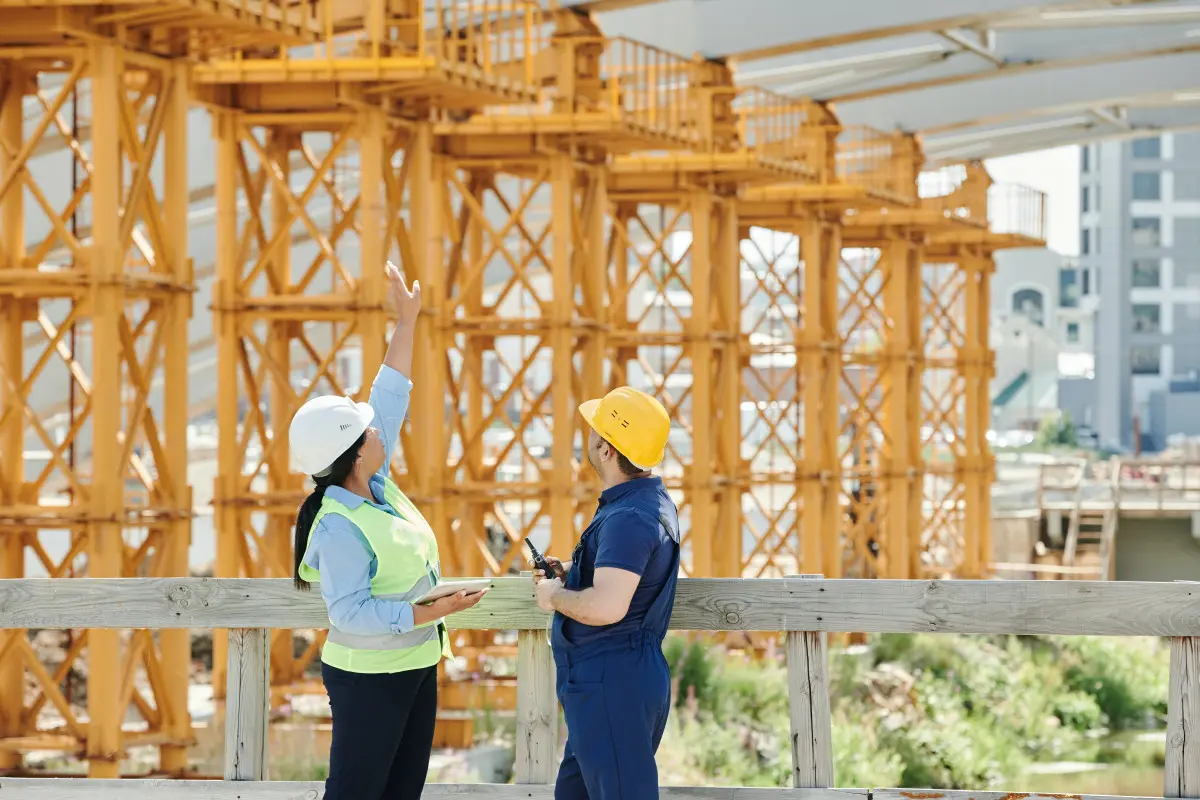
The Role of Head Protection in Workplace Safety
Head injuries can lead to life-altering consequences, including brain trauma, fractures, or even fatalities. In industries where falling objects, electrical hazards, or slips are possible, wearing the correct helmet is a frontline defense. The right helmet doesn’t just prevent injury, it also promotes compliance with OSHA and ANSI standards, helping employers avoid penalties and maintain operational integrity.
Factors That Influence Helmet Selection
Choosing the right helmet involves evaluating the job’s specific hazards and the environment in which it will be worn. For instance, some worksites require Class G (general), Class E (electrical), or Class C (conductive) helmets. These classes refer to the helmet’s electrical insulation and impact protection. Additionally, thermal resistance, weight, and ventilation also influence user comfort and, consequently, compliance.
Materials matter too. High-density polyethylene (HDPE) and ABS plastic are common for their impact resistance and durability. Suspension systems also differ, with some offering ratchet adjustments for a secure fit and others using pin-lock mechanisms.
Common Features That Improve Protection
Many modern helmets are designed with more than just a shell and a strap. Advanced models include sweatbands for moisture control, chin straps for added stability, and even integrated eye protection or hearing protection. For teams working in low-light environments, helmets with reflective stripes or slots for headlamps are crucial.
Modularity is another growing trend. Some helmet systems allow for attachments like visors, earmuffs, or communication headsets, improving versatility without compromising safety.
Industry-Specific Requirements
Each sector has its own safety demands. In construction, helmets must guard against falling tools and materials. In utility or electrical work, non-conductive materials and full brim coverage are often required. For those in oil and gas, resistance to chemicals and heat is crucial.
Therefore, understanding your industry’s regulations and common hazards ensures your team is not only safe but also operating within legal boundaries.
Training and Maintenance
Even the best helmet cannot protect a worker if it’s worn incorrectly or poorly maintained. It’s essential that employees are trained on how to properly fit and wear their helmets. Regular inspection for cracks, UV damage, and compromised suspension systems is also vital. Helmets should be replaced after any significant impact or according to the manufacturer’s recommended lifespan.
Choosing the Right Head Protection
The right head protection balances comfort, durability, and compliance. Investing in a quality product like a safety helmet ensures your team has access to gear that meets modern safety expectations. From fit to function, making informed choices on headgear can significantly enhance on-site safety and worker confidence.