
Table of Contents
This is a collaborative post.
Out of life’s milestones, moving into a new home is the biggest. It represents a fresh start, a blank canvas, and a space entirely your own.
However, between the endless stacks of cardboard boxes and the echo of unfamiliar rooms, it can take a while for a new house to actually feel like a home.
If you have recently worked with trustworthy solicitors Bexleyheath, or those in Dartford, or wherever you may live, to secure your dream property, the legal heavy lifting is finally behind you.
Now, the real fun begins: transforming those cold, empty rooms into a warm, personal sanctuary. Remember, doing this shouldn’t come at the cost of the planet.
Top quick fixes are fast furniture, plastic decor, and toxic paints, but they leave a heavy ecological footprint. Thankfully, you can effortlessly create a cosy, welcoming atmosphere with sustainable choices.
Here, we’ll shed light on 5 eco-friendly ways to infuse your new space with personality and warmth. Let’s zoom them in…
Indoors Greenery
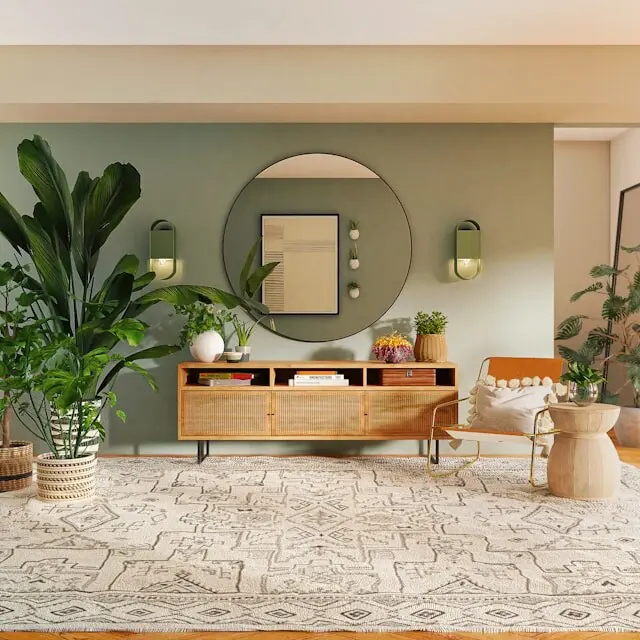
There’s nothing that breathes life into a sterile space faster than houseplants. When you add a dramatic fiddle leaf fig or a cascading pothos, the empty corners will instantly transform.
Beyond their beauty, plants act as natural air purifiers. They filter out pollutants that are often left behind by new building materials or synthetic carpets.
The best way to keep this step eco-friendly, skip the big-box stores and source your greenery from local independent nurseries.
If you think about potting, opt for biodegradable terracotta clay or upcycled ceramic pots, not single-use plastic containers.
Layering with Natural, Organic Textiles
Wondering how to make your house feel truly inviting? If so, you need texture. Don’t buy cheap, synthetic polyester rugs and throws that trap dust and shed microplastics.
Instead, you should invest in organic, renewable textiles. Look for soft organic cotton, linen, hemp, and jute. If you layer a woven rug over hard floors, this will add immediate physical and visual warmth.
For thick, natural-fibre curtains, swapping out synthetic blinds can help insulate your windows. This simple yet impactful design choice will keep your rooms cosy in the winter and cool in the summer, dramatically slashing your energy bills.
Warm, Efficient Lighting
Lighting dictates the mood of a home. No matter how beautiful a living room is, harsh, bright overhead lights can make it feel like a clinical office.
Building a cosy sanctuary demands layered lighting. So, place small floor and table lamps in dark corners. Look for bulbs labeled with a “warm white” color temperature (around 2,700K to 3,000K).
It’s important to know that LEDs use up to 80% less energy than traditional incandescent bulbs and last for decades.
When you invest in LED lights and position them correctly, you will save more on your electricity bills and ensure a well-lit home.
Second-hand and Reclaimed Pieces
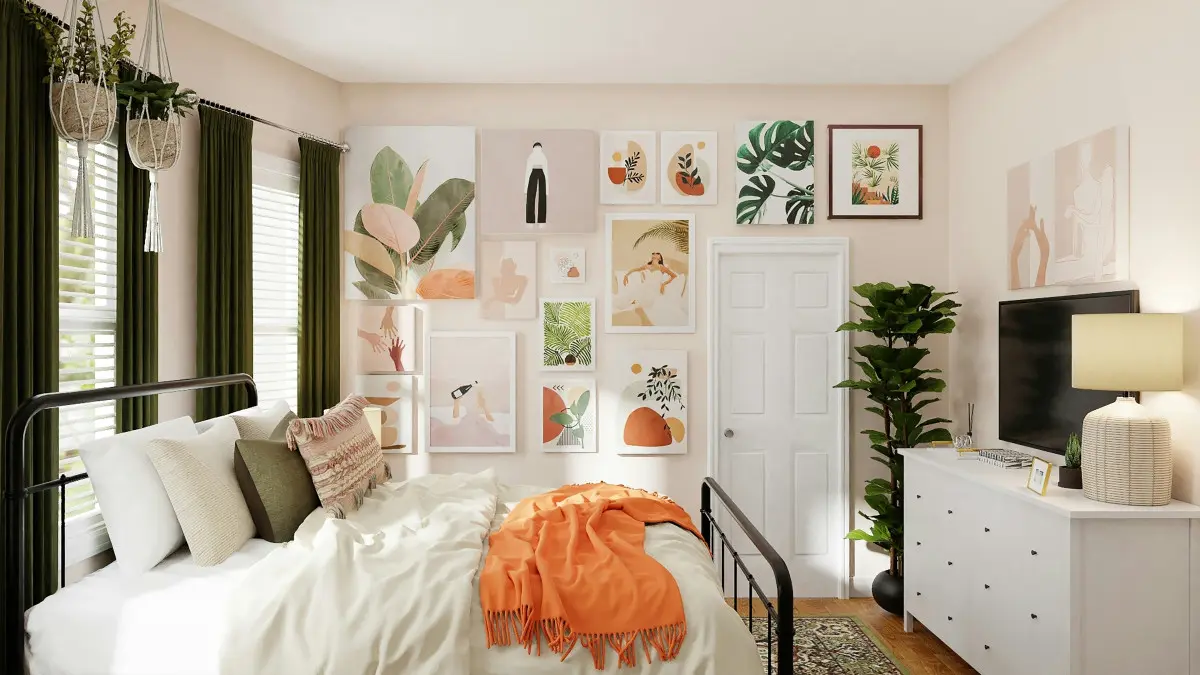
The most sustainable piece of furniture is the one that already exists. Before you rush online to buy flat-pack furniture, explore local vintage shops, online marketplaces, and estate sales.
Antique wooden dining tables, mid-century modern sideboards, and vintage mirrors carry a unique charm that mass-produced items simply cannot replicate.
Let’s say you buy second-hand; this will keep high-quality materials out of landfills and reduce demand for intensive manufacturing.
A piece you chose doesn’t perfectly match your style. If so, a quick coat of non-toxic, low-VOC (volatile organic compounds) paint can entirely reinvent it.
Personal Memories Display and “Shop Your Home”
When a home tells your unique story, it feels familiar. So, never buy generic, mass-produced wall art to fill empty spaces.
What you should do is hang framed personal photographs, travel souvenirs, or artwork created by loved ones or a professional designer.
Further, practice “shopping your own home.” Before buying new storage solutions or organisers, look at what you already own.
An antique teacup can become a jewelry dish, and old glass jars can be cleaned up and styled to hold pantry items or bathroom supplies.
Making your home eco-friendly doesn’t require a complete overhaul. Just a few eco-friendly upgrades can make a huge difference. Use modern solutions and tactics to ensure your home not only feels eco-sustainable but also gains higher market value.
Disclaimer: This blog post is intended for informational purposes and doesn’t constitute any professional advice. If you’re thinking about buying a home, consult with a conveyancing solicitor.