
Table of Contents
This is a collaborative post.
Roof maintenance and replacement play a pivotal role in safeguarding a home from the unpredictable elements. In Australia, where weather conditions can vary dramatically, ensuring a sturdy and well-maintained roof is essential. Homeowners often ponder, “how much does roof replacement cost?” Understanding these costs is not only about budgeting but also about making informed decisions to protect one’s investment. Various factors determine roof replacement costs in Australia, from material choices to regional labour variations. Investing in a high-quality roof replacement provides long-term benefits, ensuring the safety and aesthetics of the home for years to come.
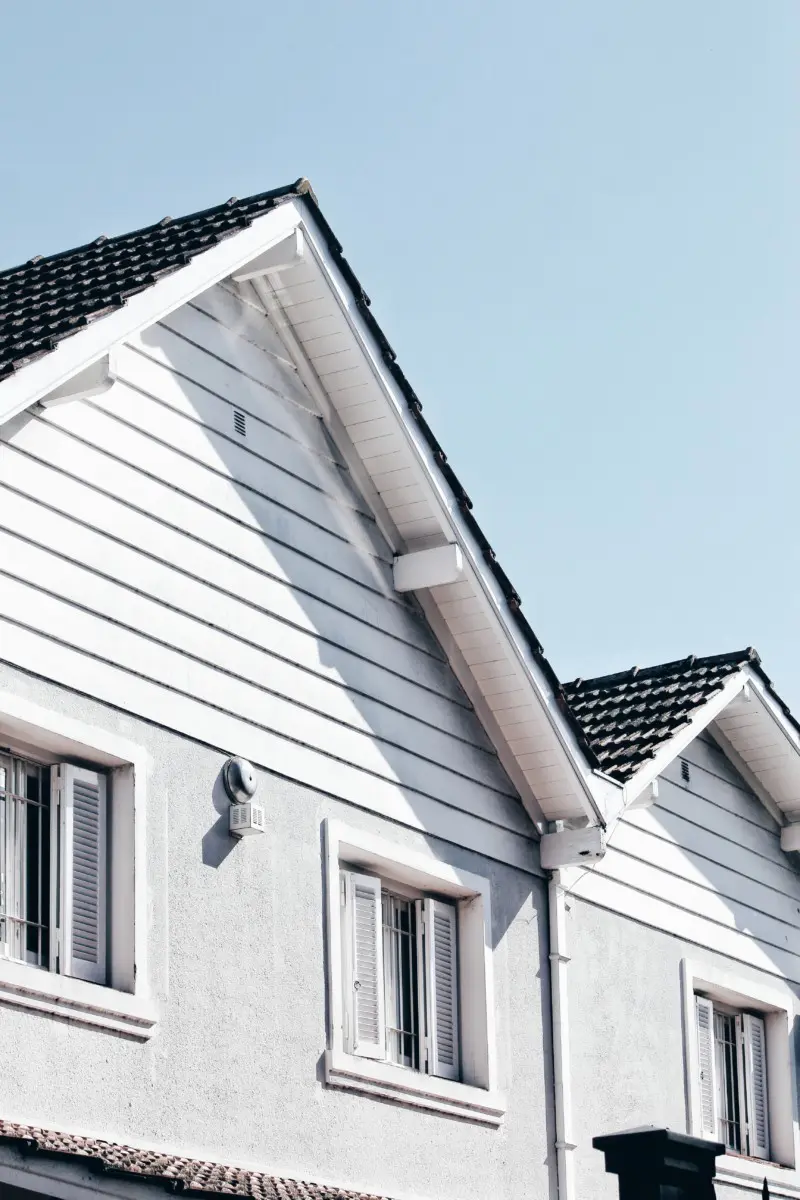
Key Factors Influencing Roof Replacement Costs in Australia
Roof replacement isn’t a one-size-fits-all project; several key factors influence the overall cost.
Types of Roofing Materials: The choice of roofing materials significantly affects the cost. Options such as concrete tiles, metal, and asphalt shingles each have distinct price ranges. Concrete tiles boast durability but come with a higher price tag. Metal roofing, popular for its sleek appearance and longevity, might be more economical than tiles, but it still requires a significant investment. On the more affordable side, asphalt shingles provide a budget-friendly alternative, though they may lack the longevity of other materials.
Roof Size and Design Complexity: The size and complexity of a roof also play a crucial role in determining costs. Larger roofs naturally require more materials and labour, thus increasing expenses. Additionally, complex roof designs with multiple angles or steep pitches necessitate specialised skills and more time, adding to the cost.
Labour Costs: Labour costs are another significant component and can vary between different regions in Australia. Urban areas tend to have higher labour costs compared to rural areas. Homeowners need to account for these differences when budgeting for roof replacement.
Environmental Considerations and Local Regulations: Environmental factors and local building regulations can also influence costs. In areas prone to bushfires, more stringent material requirements may impose additional costs. Similarly, local regulations in cyclone-prone areas might require more robust construction techniques. Adhering to these standards is vital for safety and compliance, yet it can add to the overall cost.
Average Costs for Different Roofing Materials
Understanding the cost implications of different roofing materials aids homeowners in making the best choice for their needs.
Concrete Tiles: A popular choice for their ability to withstand harsh weather, concrete tiles average between $45 and $65 per square metre. Their longevity and appealing aesthetic make them a worthy investment, despite their higher initial cost.
Metal Roofing: Known for its durability and contemporary look, metal roofing typically costs between $50 and $70 per square metre. It’s resistant to fire and pests and helps reflect heat, crucial in regions with hot climates. While the initial investment might be high, the long-term benefits of low maintenance and energy efficiency often justify the cost.
Asphalt Shingles: As a cost-effective option, asphalt shingles range from $25 to $50 per square metre. Though not as long-lasting as other materials, advances in manufacturing have improved their durability. They offer a reasonable lifespan and require more frequent replacements, which could offset initial savings over time.
Pros and Cons: Each roofing material comes with its benefits and drawbacks. Concrete tiles offer longevity and aesthetic appeal, but can be heavyweight. Metal roofs provide low maintenance and energy efficienc,y but might be noisy in rainfall without proper insulation. Meanwhile, asphalt shingles are budget-friendly and easy to install, but they offer a shorter lifespan compared to other options.
Warranties: When considering roofing materials, warranties play a significant role. Concrete tiles and metal roofing often come with longer warranties, reflecting their durability. Asphalt shingles may have shorter warranties, but could still provide good protection against manufacturing defects.
Additional Expenses to Consider in Roof Replacement
Aside from the primary costs, several additional expenses can influence the final bill.
Unexpected Repairs: During a roof replacement, discovering underlying issues such as water damage or structural problems can lead to unexpected repairs, increasing the project’s cost. It’s wise for homeowners to budget for these contingencies to avoid surprises.
Insulation and Ventilation: Proper insulation and ventilation adjustments are crucial for a roof’s performance and energy efficiency. Upgrading these systems during replacement might require additional funds, yet they enhance comfort and can reduce energy bills over time.
Underlayment and Upgrades: A quality underlayment is essential for a durable roof, acting as an extra layer of protection. Some homeowners might opt for upgraded materials to enhance their roof’s lifespan and resilience, thereby increasing costs.
Waste Removal and Disposal: Disposal of old roofing materials and debris is another consideration. Removal fees are often charged separately, and environmentally friendly disposal might come at a premium.
How to Choose a Reliable Roofing Contractor
Selecting the right contractor is critical for a smooth and successful roof replacement process.
Researching and Vetting: Homeowners should conduct thorough research, vet potential roofing professionals by exploring their experience, credentials, and reputation. Utilising online platforms and local resources to gather information is crucial.
Quotes for Comparison: Obtaining multiple quotes is essential to ensure competitive pricing and a comprehensive understanding of what each offer includes. This allows homeowners to make informed decisions without overpaying.
Verifying Credentials: It’s important to verify that contractors have appropriate licenses and insurance, safeguarding against any liability during the project. Checking customer reviews and testimonials provides insight into the contractor’s reliability and quality.
Interpreting Quotes and Contracts: Understanding the details within quotes and contracts helps avoid hidden fees. Homeowners should ensure all aspects of the job are clearly outlined, including timelines, materials, and warranty information.
Tips for Budgeting and Financing Roof Replacement
Planning financially for a roof replacement ensures the project proceeds without undue stress.
Saving and Budgeting: Start saving well in advance if possible. Establishing a roof replacement fund and regularly contributing to it helps manage costs without impacting daily expenses significantly.
Financing Options: Exploring financing options such as personal loans or lines of credit can make the process more manageable. Some homeowners also consider home equity loans or refinancing their mortgage to cover the cost.
Insurance Coverage: Assess if insurance might cover part of the replacement cost, especially if damage was caused by storms or other covered events. Knowing how to file claims and having proper documentation is essential in these cases.
Negotiating and Finding Discounts: Don’t hesitate to ask for discounts or promotions. Negotiating with contractors could lead to reduced prices or additional services included at no extra cost.
Protect Your Home with the Right Roofing Choices
In conclusion, understanding the average cost of roof replacement in Australia involves numerous factors ranging from material choices and labour to environmental conditions and local regulations. Thorough research and planning are paramount to ensure a well-executed roof replacement. Prioritising quality and professional expertise over mere cost considerations will yield long-term benefits. Homeowners should remember, while the upfront expenditure might seem substantial, investing in a durable, well-installed roof will protect their home and provide peace of mind for years to come.