
Table of Contents
This is a collaborative post.
Designing a home interior goes beyond choosing colours and arranging furniture. It’s about shaping how a space feels, how it flows, and how people experience it. While most focus on static elements like style or function, one often overlooked ingredient can make a dramatic difference—rhythm. A sense of rhythm in your interiors can bring energy, create visual interest, and help a space feel more dynamic and connected through subtle cues that guide the eye and the body through the environment. Whether you’re refreshing a single room or rethinking your entire home, introducing rhythm can breathe new life into even the most familiar spaces.
This article explores practical ways to bring that sense of flow and energy into your home interior design, using simple, intentional techniques that can transform how your space feels.
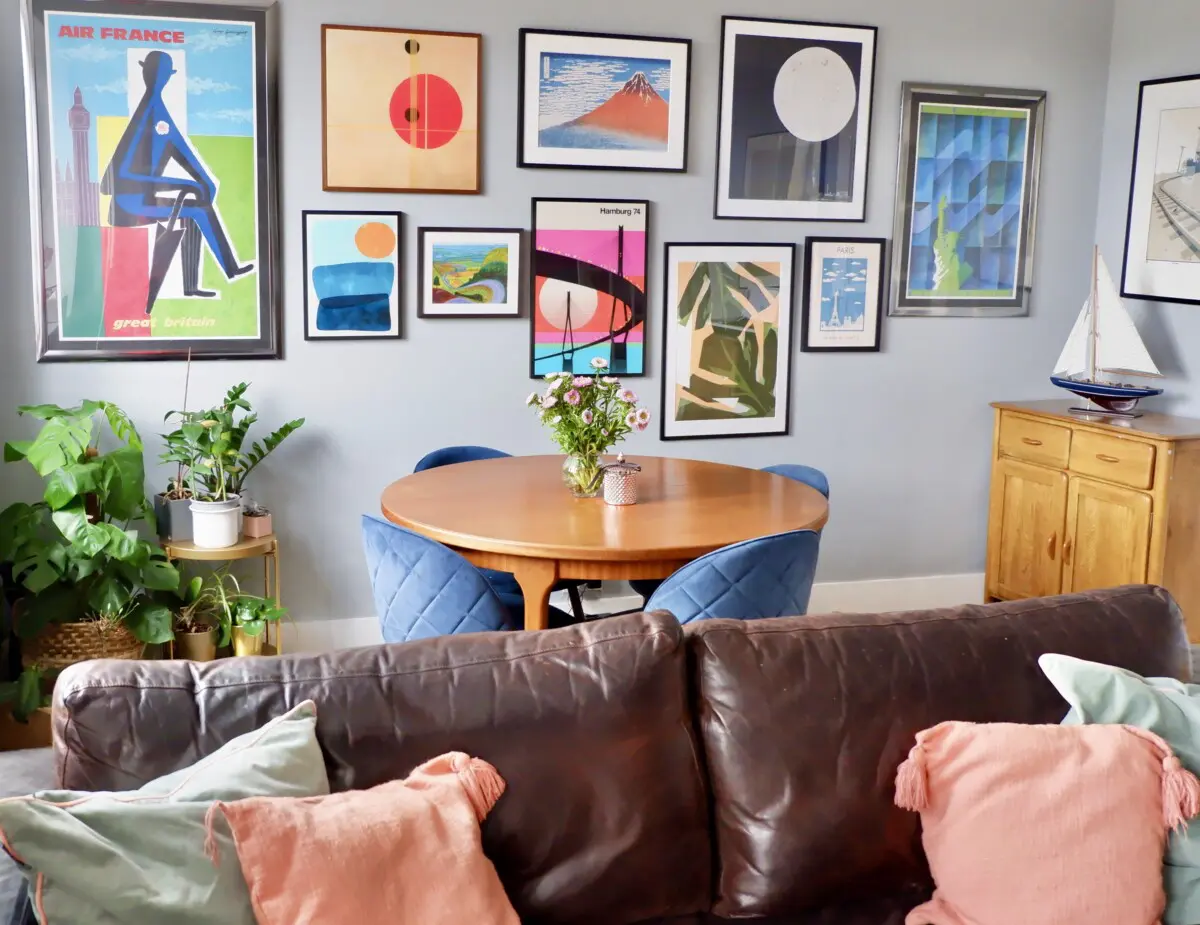
Create Visual Flow with Lines, Shapes, and Groupings
The eye naturally follows lines, patterns, and repeated forms, so the way you arrange items in a room can have a big impact on how that space is perceived. Thoughtful groupings of furniture, decor, or artwork help establish a visual path that adds structure and rhythm. A well-balanced gallery wall, for instance, can draw attention across the room, encouraging the viewer’s gaze to linger and explore. The placement of each frame also contributes to a rhythm that subtly guides the eye, much like punctuation in a sentence.
You can apply the same principle using shelves, mirrors, or sculptural elements. Try playing with varying heights or shapes that gradually lead from one area to the next. Horizontal lines tend to create a sense of calm and continuity, vertical lines add height and formality, while diagonal lines introduce energy and direction. Used thoughtfully, these can help a room feel more alive.
Encourage Rhythm Through Layout and Pathways
How you arrange furniture and define your home’s zones can shape how people physically move through a space. A well-planned layout doesn’t just look good—it also invites natural, unforced movement. Keep walkways clear, avoid placing bulky items in high-traffic areas, and ensure that each zone has a distinct function to make your space feel open and intuitive.
Start by observing how you and others navigate the room. Are there any areas that feel cramped or awkward to pass through? Do you find yourself constantly walking around certain pieces of furniture? Even small adjustments like angling a chair slightly or shifting a table can open up the flow without requiring a major redesign. In open-plan homes, rugs, lighting, or furniture placement can help create visual boundaries that gently direct movement without using walls. When your layout works with your daily habits rather than against them, the entire space becomes more functional and inviting.
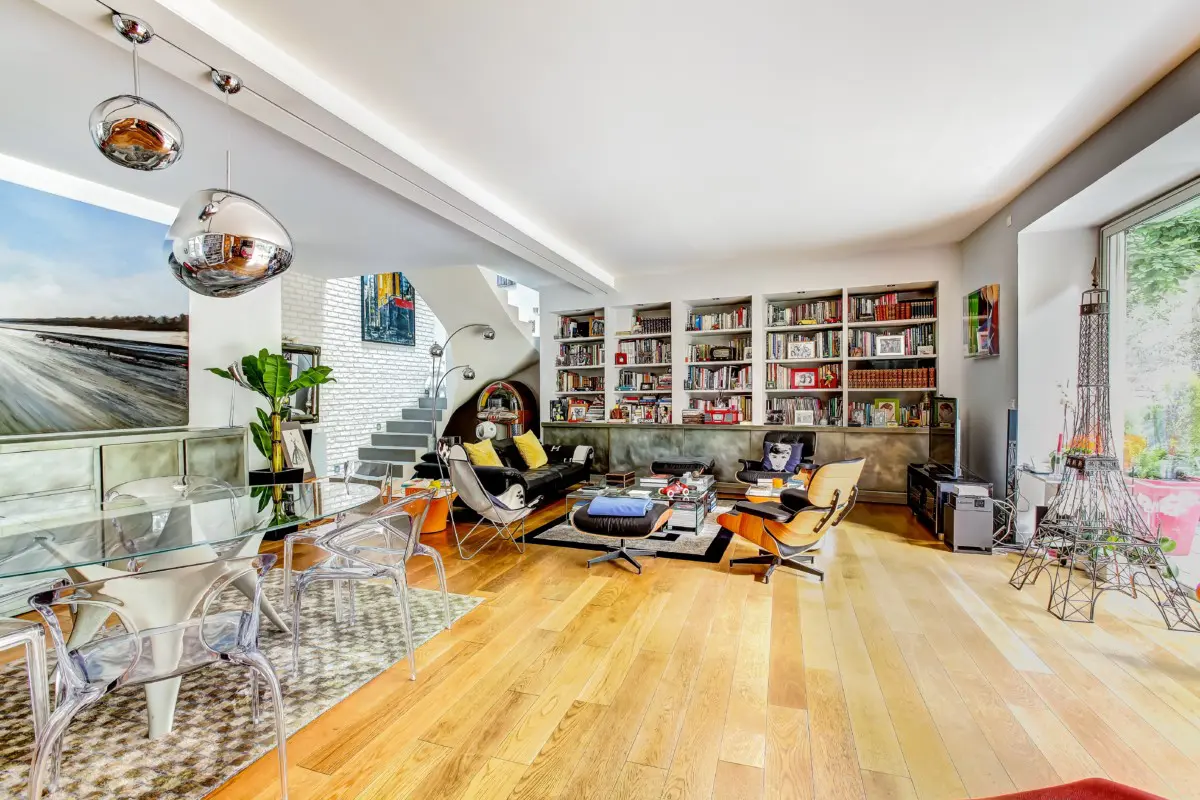
Leverage Lighting to Introduce Rhythm and Depth
Beyond providing visibility, lighting serves as a powerful tool for shaping mood, creating atmosphere, and adding a sense of movement and rhythm. Case in point, as natural light changes throughout the day, it casts shadows and highlights that bring a space to life. You can build on this effect by layering different types of lighting to introduce variety and rhythm.
In particular, a combination of ambient lighting with accent and task lights creates contrast and focal points. Meanwhile, adjustable fixtures like swing-arm wall lamps or directional spotlights allow you to guide attention to different parts of a room. Even subtle changes, like placing a floor lamp behind a chair or a strip of LED lighting under a shelf, can help define a visual path. The interplay between light and shadow adds dimension, while varied sources encourage the eye to move around the space, giving it depth and dynamism.
Add Motion Using Textures, Patterns, and Materials
Textiles, surfaces, and patterns can create a subtle sense of energy, especially when they include directional elements. Think of a rug with a flowing design, tiles arranged in a herringbone pattern, or curtains with vertical pleats—these features quietly guide the eye while adding depth and texture.
Materials themselves also contribute to the feeling of movement. Glossy finishes reflect light differently throughout the day, while textured surfaces like woven fabrics or ribbed glass create gentle shifts in tone and shadow. Layering different materials can enhance this effect—pairing smooth with rough, matte with reflective—to build contrast and rhythm. When chosen thoughtfully, these combinations not only add visual interest but also make the room feel more lived-in.
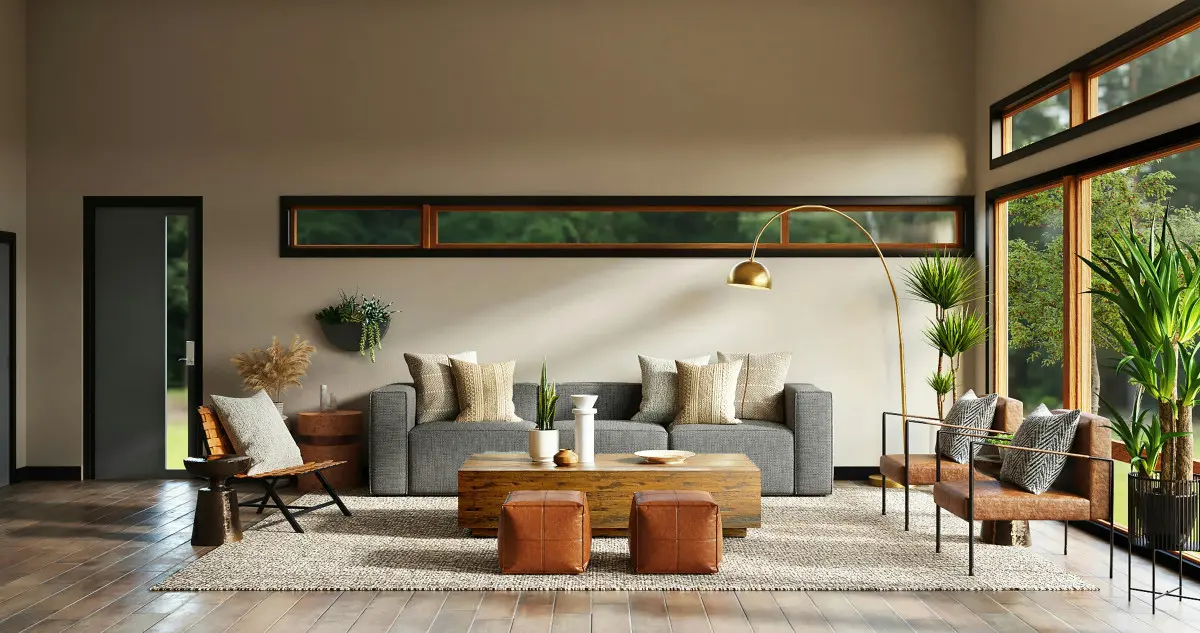
Incorporate Kinetic or Dynamic Elements
The most effective way to bring movement into your home can sometimes involve introducing elements that physically move, like swivel chairs or rocking chairs. Even lightweight curtains that respond to a breeze, indoor plants with naturally arching stems can add quiet motion without disrupting the room’s tranquillity.
The scale of movement matters too. A large room can support more dynamic features, like statement lighting or rotating bookshelves, while smaller spaces often benefit from softer gestures, such as a wind chime or or lava lamps tucked-away corners. These details help animate a room in subtle, thoughtful ways. The key is to choose pieces that feel integrated, not performative. Remember that movement should enhance the atmosphere, not distract from it.
Designing with movement in mind can shift how a space feels, making it more inviting, responsive, and alive. Remember, it’s not about constant activity but about creating a sense of flow that engages the senses and supports how you live. Use these tips as a jumping-off point and continue experimenting to transform your home into a space that feels dynamic, balanced, and personal.