
Table of Contents
This is a collaborative post.
Planning out and creating a sustainable home that perfectly fits your lifestyle is exciting! But it can also feel overwhelming, especially that we homeowners are hardly experts. These days, we can say that sustainability has already become more than just a buzzword. It is a must and most people are adapting their homes. To find the right balance between being environmentally friendly and our personal comfort is where it all lies. Not impossible, but also not an easy task. Whether you’re planning to build from scratch or renovate, baring sustainability in mind when choosing your home design can be made easier with the help of trusted custom home builders nearby, who can help to tailor your dream home the way you prefer it and not forgetting about your values.
Understanding The Basics Of Sustainable Home Design
Sustainable home design starts with understanding the core principles of sustainability while making sure your home’s comfort and efficiency is also top priority. This involves selecting materials that are renewable, recycled, or sourced responsibly. Opting for materials like bamboo, reclaimed wood, or recycled metal not only make the design look fantastic, but it’s also good for the environment. Furthermore, consider using non-toxic paints and finishes to improve indoor air quality, creating a healthier living space for you and your family.
Energy Efficiency
Energy efficiency is a cornerstone of sustainable living. Investing in energy-efficient appliances and lighting can significantly reduce your home’s energy consumption. Install LED lights, which use less energy and have a longer lifespan than traditional bulbs. Getting solar panels can be a game-changer. Not only does this help reduce your carbon footprint, but it can also lead to substantial savings on your energy bills over time.
Smart Home Technology Integration
Smart home technology is an important addition to your sustainable design is modern and is highly efficient. Smart thermostats, for example, can learn your schedule and adjust the heating and cooling systems accordingly, optimizing energy use. Similarly, smart irrigation systems can ensure your garden is watered only when necessary, conserving water. These technologies make managing your home easier and more efficient, still also aligning perfectly with a sustainable lifestyle.
Water Conservation Strategies
Water conservation is another crucial aspect of sustainable living. Installing low-flow faucets, showerheads, and toilets can drastically reduce water usage without compromising performance. Another innovative approach is to incorporate rainwater harvesting systems. These systems collect rainwater for irrigation or even household cleaning, reducing reliance on municipal water supplies. Integrating such features into your home design helps to conserve water.
Designing With Nature In Mind
Designing your home with nature in mind can greatly enhance its sustainability. Orienting your home to maximize natural light reduces the need for artificial lighting during the day and creates a warm, inviting atmosphere. Planting native vegetation around your home can also contribute to your sustainability efforts by supporting local wildlife and requiring less maintenance and water.
Your Very Own Design – With Sustainability In Mind
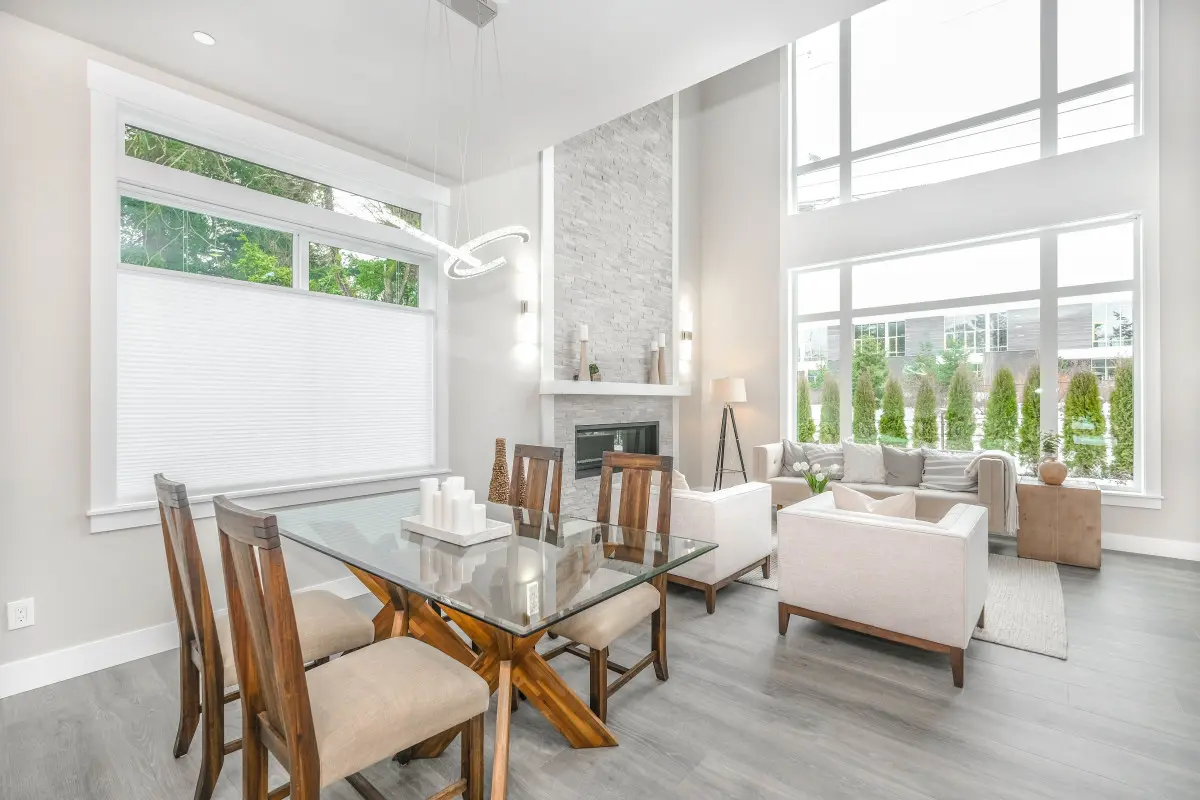
When working with the designer and building team, you can help them to make decisions so that your home design is perfectly personalized within the sustainability framework. This means selecting designs and materials that create the look you’d want to achieve and also adhere to sustainable practices. For instance, if you love open spaces, opt for large windows that provide ample natural light and ventilation. If privacy is a priority, consider using sustainable materials for fencing or privacy screens. The key is to balance your lifestyle needs and sustainable design elements.
The Role Of Technology And Innovation
Innovation plays a significant role in sustainable home design. From advanced insulation materials to cutting-edge building techniques, staying updated on the latest trends can help you make informed decisions. Research and select technologies that enhance your home’s efficiency while being cost-effective. For example, geothermal heating and cooling systems use the earth’s consistent temperature to regulate your home’s climate, offering a sustainable and energy-efficient solution.