
Table of Contents
This is a collaborative post.
Dealing with ingrown hairs can be frustrating, especially when they cause discomfort or can also affect your confidence. Whether they appear after shaving, waxing, or naturally, understanding how to manage and treat them effectively can save you a lot of hassle. This blog will cover the five essential factors you need to know about ingrown hair treatment.
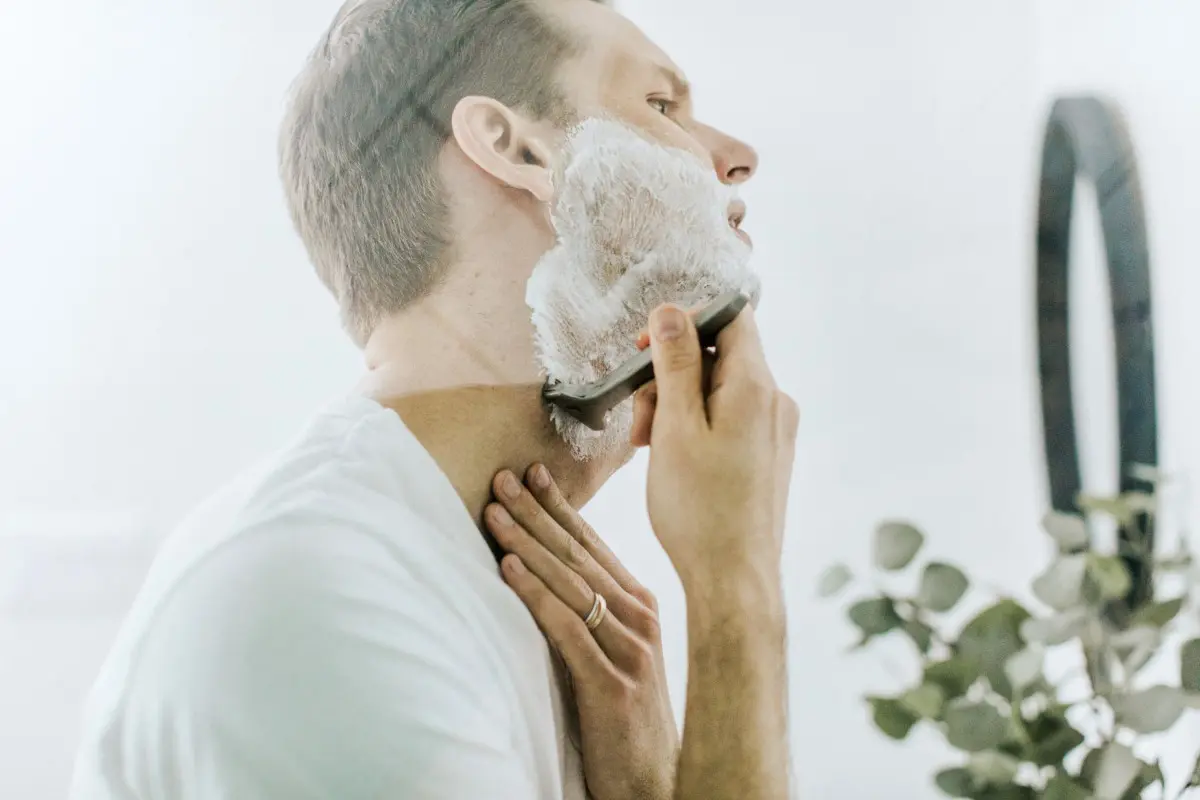
1. Understand What Causes Ingrown Hairs
Ingrown hairs can happen when the hair grows back into and under the skin surface, rather than through the skin, like normally. In many cases, this is the result of shaving, waxing, or wearing clothing that is too tight, which causes hair to be pushed into the skin.
Because it has a tendency to curl back into the skin, hair that is uneven or coarse is more likely to become ingrown. Knowing the cause helps you prevent them by adjusting your grooming habits. Using clean tools to avoid irritation can reduce the risk of ingrown hairs.
2. Know the Symptoms of Ingrown Hairs
A small, red bump that may be itchy or painful can be the outward manifestation of an ingrown hair. Sometimes, they will form painful spots that are filled with pus and have the appearance of pimples.
You might notice that the area is tender or even inflamed, and you might also be able to see the hair that is trapped beneath the skin. Identifying these signs early allows you to treat them before they worsen.
3. Choose the Right Hair Removal Methods
When removing hair, choose methods that are gentle so that you can avoid ingrown hairs. Electric trimmers or hair removal creams may be less irritating than waxing or razors when it comes to removing unwanted hair.
When shaving, make sure to use a fresh blade that is sharp, shave in the direction that the hair grows, and avoid continually going over the same area. Avoid pulling the skin tight when shaving. Choosing the right method can significantly reduce the chance of ingrown hairs.
4. Exfoliation is Important
Dead skin cells, which can clog hair follicles, can be removed with regular exfoliation. It is recommended to exfoliate the area two to three times per week using a washcloth or a gentle scrub.
This helps hairs grow out properly and prevents them from becoming trapped. Avoid too harsh and chemical scrubs that can irritate the skin. Consistent exfoliation keeps your skin smooth and less prone to ingrown hairs.
5. Moisturize and Soothe the Skin
Moisturizing keeps your skin hydrated and reduces irritation after hair removal. Look for products with soothing ingredients like aloe vera or tea tree oil to calm redness and inflammation.
Hydrated skin is softer, which helps hairs grow out more easily. Apply moisturizer daily, especially after shaving or waxing. Keeping your skin moisturized promotes healing and prevents new ingrown hairs.
Adopt a Consistent Skincare Routine
Taking care of your skin is essential for preventing and treating issues like ingrown hairs. Start adopting these practices today and enjoy the benefits of a well-cared-for complexion!