
Table of Contents
This is a collaborative post.
Do you have space for a garden building in your garden? They are great for storage or even as an extended living spca – an investment that’s worth making. You can transform your garden into a sustainable sanctuary with these eco-friendly wooden structures. We have one in our garden – and love it! We use it as a guest house for our family and friends when staying over.
As we all strive to live a more sustainable and ethical lifestyle and building eco-friendly, wooden garden houses can make a very positive impact. By choosing wooden buildings made from renewable resources, you support sustainable forestry practices and reduce your carbon footprint.
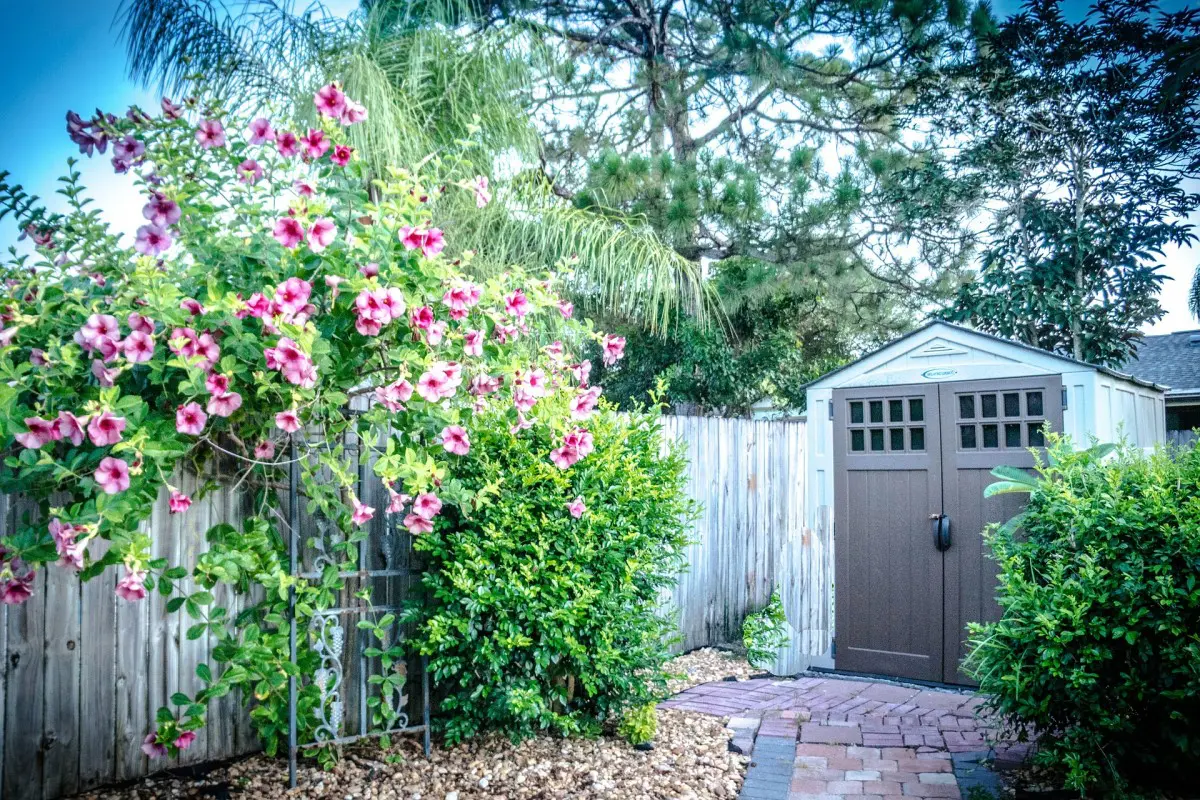
The Benefits of Eco-Friendly Wooden Buildings
They offer numerous advantages for both you and the environment. First and foremost, these structures are made from natural, renewable materials that are biodegradable and have a lower environmental impact compared to other man-made materials. Another big plus is that, wooden buildings also provide excellent insulation, helping to regulate temperature and reduce energy consumption. So they even save money for you!
What’s more, wooden garden buildings can be built just the way you need them, to suit your specific needs. You might need a shed for storage, a greenhouse for growing plants or a cosy retreat for relaxation, you can view here a variety of wooden structures. Also worth noting, that by investing in garden buildings, made from solid wood, you contribute to the preservation of forests and responsible forestry. Always make sure that you purchase forest-friendly wooden items. Let’s talk about this next.
Choose the Sustainably Sourced Wood
Not all wooden material is sustainably sourced – maybe you know this already, but we need to point out as it’s a very important issue. When selecting materials for your garden house or shed, it is important to consider their sustainability and environmental impact. Opting for wood sourced from responsibly managed forests ensures that you are supporting ethical forestry practices. Look for certifications such as FSC (Forest Stewardship Council) or PEFC (Programme for the Endorsement of Forest Certification), they guarantee that the wood has been harvested sustainably.
Furthermore, always consider using reclaimed or recycled wood at the first place, rather than buying new, for your garden building project. This not only reduces the demand for new timber but also gives new life to materials that would otherwise go to waste. Reclaimed wood adds character and uniqueness plus it helps conservation efforts.
Sustainable Design Principles
Sustainable design principles can also add to the environmental benefits. Just think about features such as rainwater harvesting with a simple water butt, adding solar panels, or even green roofs.
Another important aspect of sustainable design is minimising waste during the construction process. Plan your project carefully, with efficiency in mind, so that materials are used without any excess waste (or as little as possible) and if there is any wastage (because it’s still very likely even with the most careful planning) they are repurposed or recycled.
Maintenance and Longevity
Proper maintenance is naturally important to any building or structure you build. Regularly inspect your structure for any signs of wear or damage and address them promptly to prevent further deterioration. Apply protective (but environmentally friendly) finish or treatments that can help prolong the life of the wood and make it more resistant to weather and the elements.
One more tip: plant native plants around your wooden building to help biodiversity and provide habitat for local wildlife.
It is possible to create a resilient and sustainable outdoor space that thrives for years to come.