
Table of Contents
This is a collaborative post.
Imagine this: a sudden power outage, an unexpected storm, or even a natural disaster hits your area. The last thing you want is to scramble around, trying to find essential items when you need them the most. That’s where an emergency kit comes in handy. It’s your safety net, your peace of mind. Here’s the ultimate checklist to ensure you and your family are prepared for any emergency, big or small.
Essentials for Survival
Water
Water is, as we know, life. Aim for at least one gallon per person per day, which is enough for both drinking and sanitation. Store enough to last for at least three days, but if you have space, go for a week’s supply. Don’t forget about your pets—they need water too!
Food
Non-perishable food items are super important. Think canned goods, granola bars, dried fruits, and nuts. Choose items that don’t require cooking, water, or special preparation. A manual can opener is a must-have, and don’t forget food for your pets. Consider getting an emergency kit UK, which can have food for a few days for a few people all easily packed to grab and go.
Shelter and Warmth
In case you need to leave your home or if heating is out, pack a few blankets or sleeping bags. Emergency thermal blankets are compact and retain body heat well. Include a sturdy tarp and some rope to create a makeshift shelter if needed.
Health and Safety
First Aid Kit
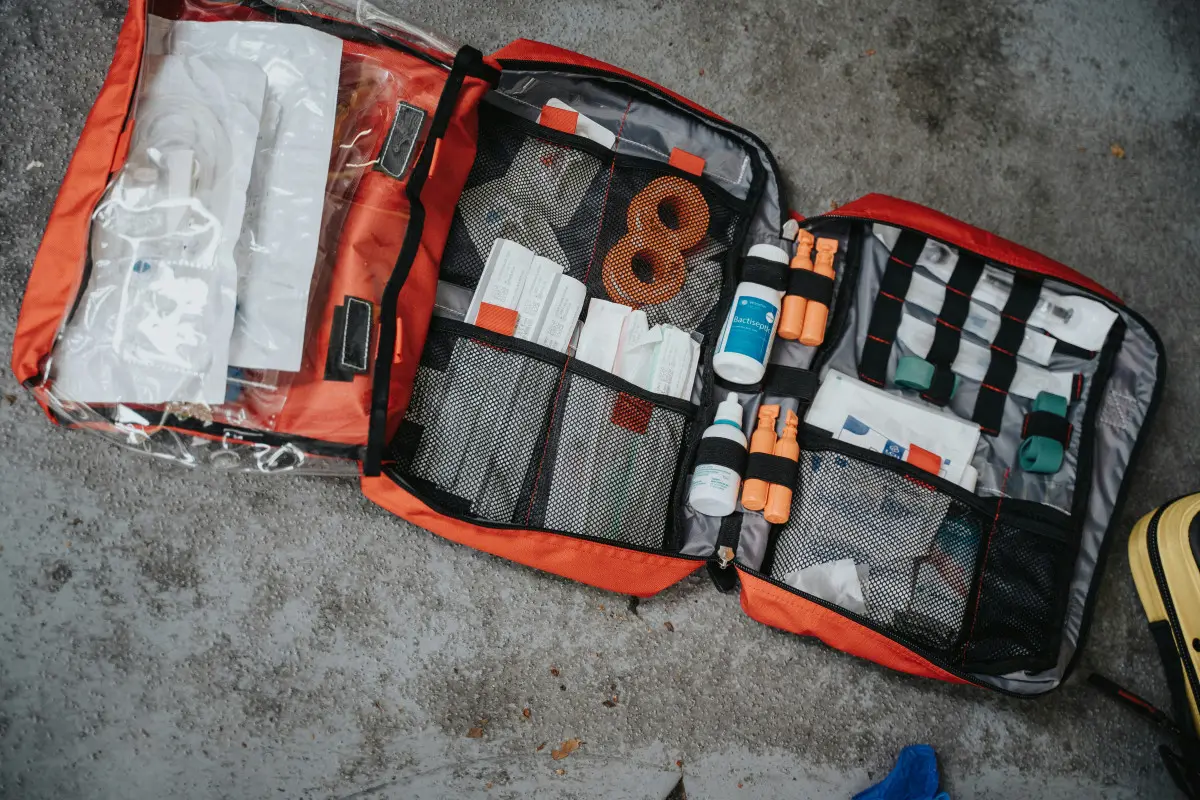
A well-stocked first aid kit can be a lifesaver. Include bandages, antiseptic wipes, gauze pads, adhesive tape, scissors, tweezers, pain relievers, and any prescription medications you or your family might need. Don’t forget a first aid manual to guide you through any medical emergencies.
Personal Hygiene Items
Keep hand sanitizer, moist towelettes, garbage bags, and plastic ties for personal sanitation. Include feminine hygiene products, diapers if you have little ones, and a toothbrush and toothpaste for everyone.
Tools and Supplies
A multi-tool or Swiss Army knife can be incredibly useful. Pack duct tape, a whistle to signal for help, a flashlight with extra batteries, and a battery-powered or hand-crank radio to stay informed. Glow sticks are great for additional, non-battery-dependent light.
Communication and Navigation
Important Documents
Keep copies of important documents in a waterproof, portable container. Include identification, insurance policies, bank account records, and any other crucial paperwork. A small amount of cash and coins can be helpful if ATMs are down.
Maps
A local map can be a lifesaver if GPS is unavailable. Mark your home, emergency shelters, and the homes of nearby family and friends.
Comfort and Entertainment
Clothing
Pack a change of clothes for everyone, including sturdy shoes, a raincoat, and layers to adjust to different weather conditions. Warm hats and gloves are essential for colder climates.
Comfort Items
Small comforts can make a big difference in stressful times. Pack a few books, a deck of cards, or small games to keep spirits high. Comfort items for kids, such as a favorite toy or blanket, can provide much-needed reassurance.
Special Considerations
Baby and Pet Needs
If you have infants, pack formula, bottles, baby food, and extra nappies. For pets, ensure you have extra food, water, and any necessary medications.
Extra Keys
Include spare keys for your house and car. Keep them in a safe but accessible spot within your emergency kit.
Regular Maintenance
Don’t just assemble your kit and forget about it. Regularly check your supplies, replace expired items, and adjust your kit as your family’s needs change. Make sure everyone in your household knows where the kit is stored and what’s inside it.
Personal Touches
Think about your family’s unique needs. Do you have specific medical conditions, dietary restrictions, or mobility issues? Customize your kit to ensure it covers all bases for every member of your household.