
Table of Contents
This is a collaborative post.
Summer holidays can be an exciting yet challenging time for foster families. With five weeks off from school, it’s important to find enjoyable activities to keep the kids engaged and happy, preferably without breaking the bank. Here are five fun things you can do with your foster children this summer that won’t cost you a penny and they are also screen-free activities.
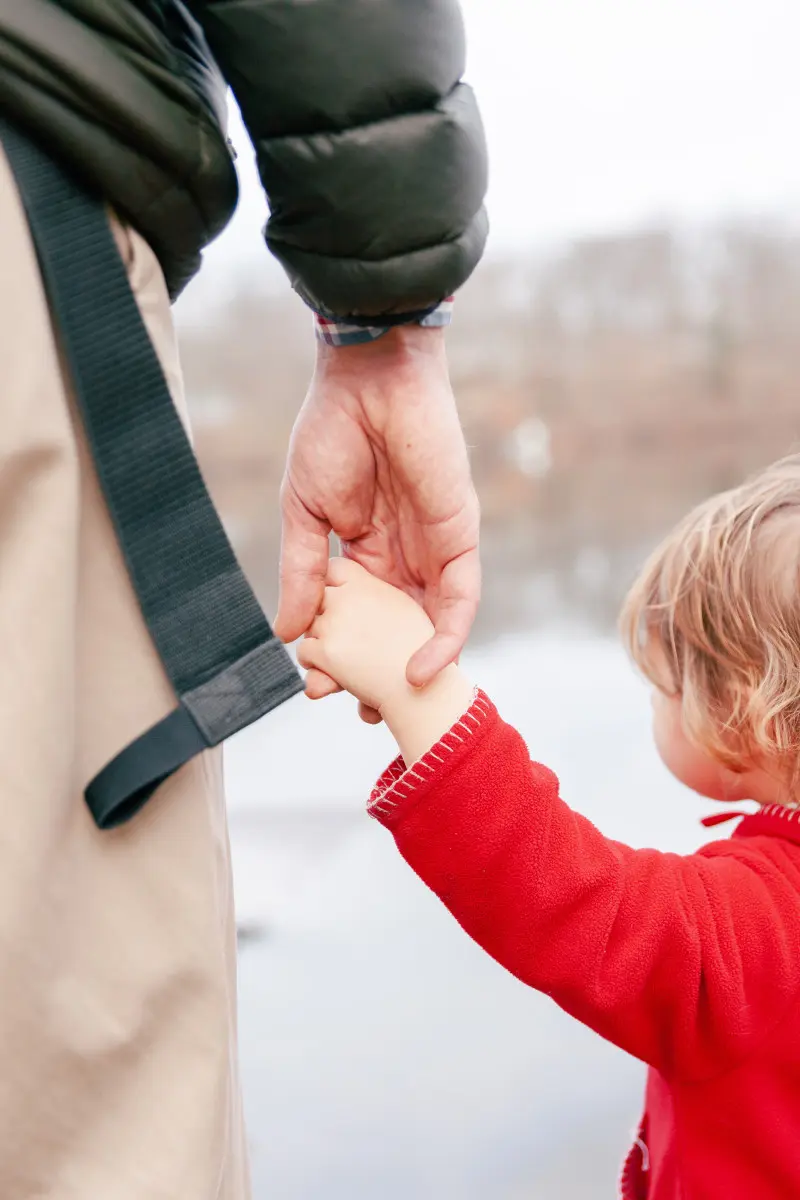
Explore Local Parks and Playgrounds
One of the simplest ways to entertain kids during the summer is taking them to local parks and playgrounds, and you won’t need to use any of your fostering allowance from fcascotland.co.uk to do it! Most towns and cities have numerous green spaces with playground equipment, walking trails, and open grassy areas perfect for picnics, games, and playtime. Pack a lunch or snack and make a day out of exploring new parks. The fresh air and exercise will tire the kids out while giving them a chance to burn off energy. Don’t forget the sunscreen!
Visit Free Museums and Galleries
Many museums and galleries in the UK offer free admission. Look up museums in your area and see which ones have free entry for kids and adults. Encouraging a love of arts, science, and history in your foster children can be done for free at the many museums across the country. Pack snacks, make a day out of the visit, and enjoy introducing them to new subjects and concepts through interactive museum exhibits.
Look for Local Story Times and Shows
From puppet shows to magic acts, many local libraries, bookstores, and community centres offer free performances and story times for children during the summer holidays. Ask your local librarian or check community centre websites for a schedule. This gives kids exposure to stories, performance arts, and literature in an entertaining way. Many feature story times and shows designed specifically for younger children.
Top Tips to Find Free Local Story Times and Shows
First, start by checking your local library. Libraries often hold regular story times for children, which not only build literacy but also create a fun times for your young readers. Visit the libraries website or call them to inquire about schedules and any special events they may have planned. Many libraries also post event calendars highlighting upcoming performances or storytelling sessions.
Next, explore community centers and local children’s museums. These frequently organize free story times or theatrical shows aimed at young audiences. Looking at their bulletin boards or websites can give you some information about scheduled events.
Don’t forget the power of social media! Many local businesses and community groups use platforms like Facebook and Instagram to promote upcoming events. Join local parenting groups or community pages, as members often share information about free story times and shows happening in the area.
Do Nature Crafts and Activities
Nature walks collecting leaves, sticks, rocks and flowers can provide hours of entertainment for children. Bring along a guidebook and see what interesting plants, trees and animals you can identify. Craft projects at home afterwards are a creative way to engage their curiosity about nature. Make crowns from flowers or arrange a bouquet in a vase for display. Create artwork by gluing items like leaves and petals to paper. The outdoors offers endless inspirations for crafts. A nature scavenger hunt is also a great idea and kills an hour or two.
Here are a few nature craft and activity ideas
Leaf Prints
One fun activity to try is making leaf prints. Gather a variety of leaves from different trees and plants. You can collect them from your garden, a local park, or even just walking a few blocks around your home. Once you have your selection, flatten the leaves under a heavy book for a day or two to ensure they lie flat.
To create the prints, use water based paint. Simply apply a thin layer of paint to one side of the leaf and press it down onto a piece of paper. Lift the leaf gently to reveal the beautiful imprint.
Nature Collages
Another fantastic idea is to create nature collages. This can be a great project for children and adults alike. Go on a nature walk and collect items such as twigs, flowers, leaves, and stones. Once you’ve gathered your treasures, return home and lay out your finds on a canvas or a sturdy piece of cardboard.
Arrange the items in a way that you find nice, and then glue them down. You can add embellishments using markers or paint to enhance your collage.
Rock Painting
Rock painting is a delightful and simple craft that takes little preparation. Choose smooth, flat rocks from your yard or a nearby riverbed. Clean the rocks and let them dry completely. Once they’re dry, use acrylic paints to decorate them. You can paint animals, inspirational words, really…whatever you fancy!
After the rocks have dried, you can even hide them around your garden or in your local park to spread a little joy.
Nature Bracelets
Create nature bracelets by using a simple strip of tape, with the sticky side facing out. On a nature walk, collect small flowers, leaves, and other lightweight items. As you find them, stick them to the tape to create a unique bracelet adorned with elements from nature.
Pinecone Bird Feeders
Gather pinecones from your yard or a nearby forest. Use peanut butter to cover the pinecone, making it sticky. Then, roll it in birdseed until it’s well-coated. Attach a string to the top and hang your feeder outside in a tree or a place where birds frequent.
Nature Journals
For those who enjoy writing, keeping a nature journal can be an excellent way to document your experiences. Start by taking a nice notebook outdoors and observe your surroundings. Spend some time drawing what you see or writing about your thoughts and feelings while connected to nature. You can add pressed flowers, leaves, and sketches into your entries as well.
Have Regular Play Dates
Setting up free play dates with other kids is a great way to socialise and entertain your foster children. Invite friends over for outdoor fun like water play, chalk drawing, or treehouse time. Offer healthy snacks to fuel their play. Share the fun by taking turns hosting play dates at each other’s homes to build community and give the kids special time with friends. This option works best if your foster child has a friend whose family is open to hosting them as well.
Tips for Organising Play Dates
- First, establish a consistent schedule. Whether it’s weekly, bi-weekly, or monthly, having a regular time can help kids anticipate their playdates and provide structure. It also allows parents to plan ahead and fit the playdates into their own schedules.
- Next, consider varied locations. While playdates can often occur at home, exploring different environments like parks, playgrounds, or local attractions can add excitement. Each new venue presents unique opportunities for play, and outdoor settings encourage active engagement.
- Before the playdate, discuss expectations with both kids and parents. Clarify which activities are planned. This can help prevent misunderstandings and everyone will be on the same page.
- During the playdate, supervise the activities while allowing kids some independence. This balance helps them learn to solve conflicts on their own and build confidence while still having a safety net of adult support. Encourage cooperative games that require teamwork and sharing, as these can be beneficial for social development.
- Be mindful of dietary restrictions and allergies when planning snacks or meals. It’s always best to check with parents beforehand.
Making summertime memorable doesn’t have to be expensive. Parks, museums, libraries, play dates and simple crafts are easy ways to fill long holiday days. Get creative in planning free activities and you’ll find there are abundant options for fun right in your community.