
Table of Contents
This is a collaborative post.
Food has always been one of the most powerful (and personal to every member of said culture) ways to preserve culture and bring people together. Across generations, recipes have carried memories, family customs, and regional traditions that continue to shape communities long after trends disappear. In Hungary, dining is deeply connected to hospitality, celebration, and storytelling. Meals are rarely rushed, and every carefully prepared dish reflects centuries of culinary influence shaped by history, geography, and local ingredients.
Budapest has become an increasingly popular destination for travelers seeking authentic cultural experiences, and gastronomy plays a central role in the city’s appeal. Restaurants throughout the Hungarian capital combine historic atmosphere with refined hospitality, creating dining experiences that feel both elegant and personal. Hospitality groups such as Zsidai Group have contributed significantly to preserving and celebrating traditional Hungarian cuisine while embracing modern service and presentation standards.
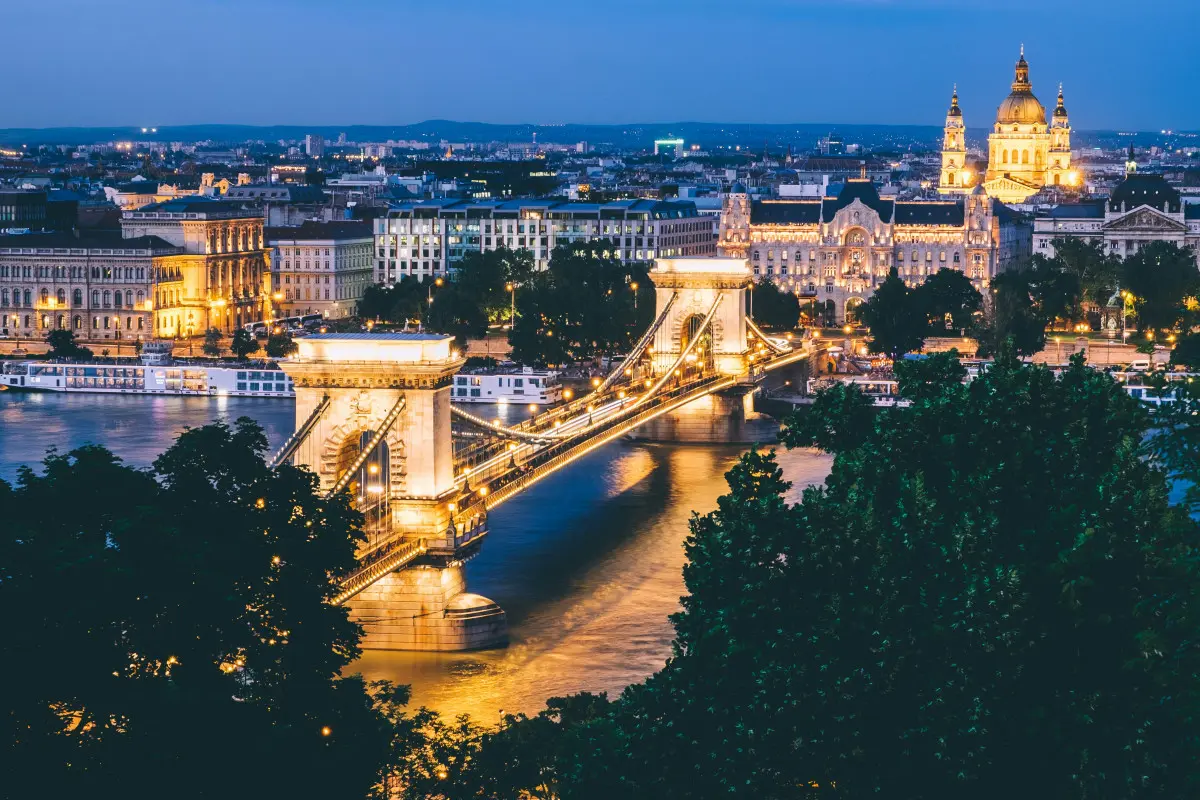
The Cultural Importance of Shared Meals
Traditional Hungarian dining culture revolves around togetherness. Large family lunches, festive dinners, and seasonal gatherings have long created opportunities for storytelling and connection around the table. Recipes are often passed from one generation to another, preserving techniques and flavors that continue to define Hungarian gastronomy today.
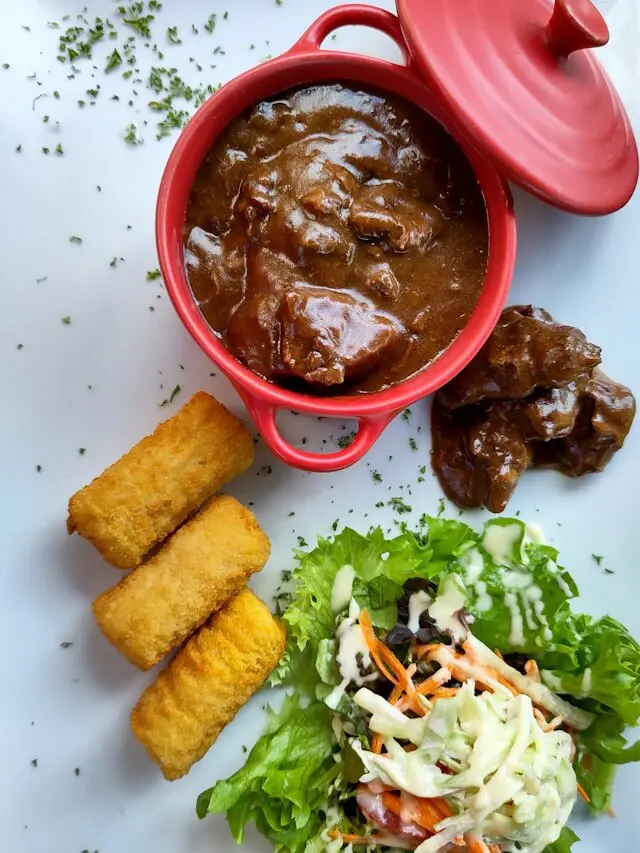
Classic dishes such as goulash, chicken paprikash, stuffed cabbage (Gefuehltes Kraut), and Szegedi fish soup, lecso (which is similar to ratatouille) remain important because they represent more than mere culinary tradition. They reflect rural heritage, regional ingredients, and the history of communities that relied on slow cooking and resourceful preparation methods. Rich flavors made with paprika, onions, fresh bread, and locally sourced meats continue to define the warmth of Hungarian hospitality.
This emotional connection to food has become increasingly appealing to international visitors who are now actively seeking experiences that feel authentic. Dining in Budapest offers travelers an opportunity to experience culture not just through museums and landmarks, but through flavors and traditions that remain part of everyday life.
Budapest’s Historic Dining Scene
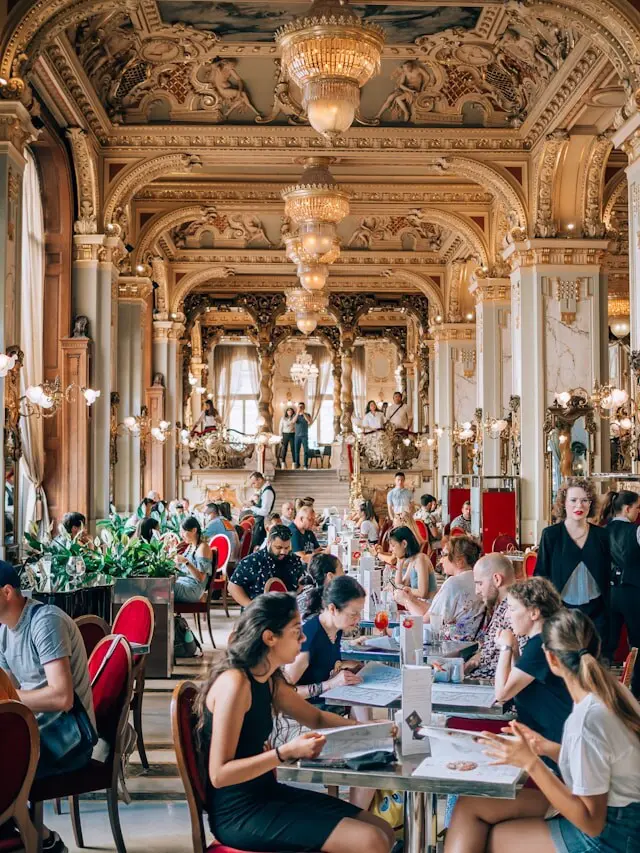
Budapest possesses a restaurant culture unlike any other in Central Europe. Grand cafés, elegant dining rooms, hidden courtyards, and riverside terraces all contribute to the city’s distinctive atmosphere. Many restaurants operate inside historic buildings where architecture and culinary tradition combine naturally, creating spaces that feel timeless.
Visitors looking for an authentic Budapest Hungarian restaurant experience often seek venues that preserve traditional recipes while presenting them with contemporary refinement. Atmospheric interiors, attentive service, and carefully curated wine selections all contribute to the experience. Dining becomes more than a good meal; it becomes part of discovering the city itself.
Zsidai Group has become closely connected to this style of hospitality by operating venues that celebrate Budapest’s cultural identity while maintaining exceptional quality standards. Their restaurants demonstrate how traditional cuisine can evolve gracefully without losing the authenticity that makes it special.
Tradition Meets Contemporary Taste
Modern Hungarian gastronomy continues to respect its roots while adapting to contemporary expectations. Chefs throughout Budapest are refining traditional dishes with lighter techniques, seasonal ingredients, and elegant presentation, appealing to international audiences. This balance keeps Hungarian cuisine relevant in an increasingly global culinary landscape.
Despite these modern influences, authenticity remains essential. Visitors are often drawn to restaurants that preserve traditional cooking methods and use locally sourced ingredients whenever possible. Handmade dumplings, slow-cooked stews, house-made pastries, and regional wines continue to define the city’s culinary identity.
Hungarian cuisine also reflects the country’s deep cultural history. Ottoman, Austrian, Jewish, and Balkan influences have all shaped the flavors of Budapest today.
The Emotional Power of Traditional Flavors
One reason traditional cuisine continues to attract travelers is its emotional impact. Familiar aromas, comforting textures, and carrying family recipes create this impact. Food often becomes one of the strongest emotional connections visitors form with a destination.
Many tourists seeking a memorable Budapest Hungarian restaurant experience are looking for precisely this sense of connection. They want meals that reflect the city’s spirit and offer insight into local customs and traditions. Restaurants that successfully create this atmosphere often become highlights of an entire trip.
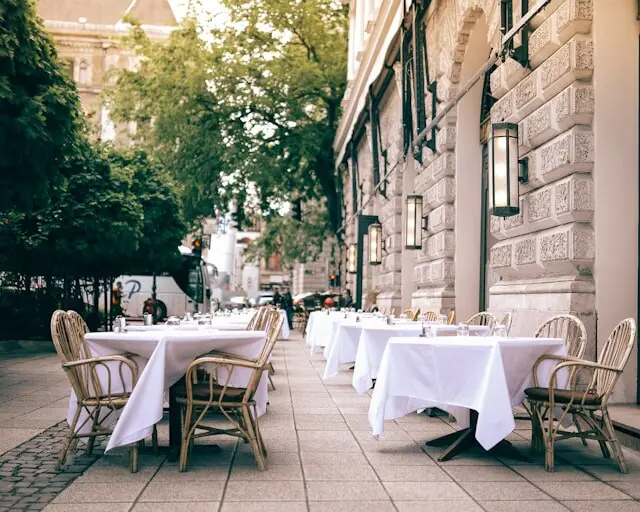
Budapest’s dining scene also benefits from the city’s natural elegance. Candlelit terraces overlooking the Danube, historic interiors filled with architectural detail, and lively neighborhood streets all enhance the experience of enjoying traditional Hungarian cuisine. These settings transform ordinary dinners into lasting memories.
Preserving Culinary Heritage for Future Generations
As global dining trends continue to evolve, preserving local culinary identity has become increasingly important. Traditional cuisine offers continuity in a rapidly changing world and allows future generations to remain connected to cultural heritage through food. Restaurants that honor historic recipes while maintaining high hospitality standards play an essential role in this preservation.
Budapest continues to attract travelers because it offers experiences that feel genuine, sophisticated, and deeply connected to local culture. Visitors are drawn not only to the city’s architecture and history, but also to its welcoming dining traditions and rich flavors. Zsidai Group remains an important part of this culinary landscape by creating spaces where Hungarian hospitality, tradition, and contemporary elegance exist in perfect harmony.