
Table of Contents
The long-term success of a store depends on the people who return. As a general rule, repeat customers tend to spend more over time and require less effort to convert. However, earning that second visit has become more challenging than securing a first purchase. Retail competition has intensified in recent years, giving more shoppers more options and making loyalty harder to secure.
But the right adjustments in how your store operates and engages shoppers can turn more of your first-time and occasional buyers into committed repeat customers. Here are some tips that can help you improve your in-store shopping experience, strengthening customer relationships and encouraging more repeat visits.
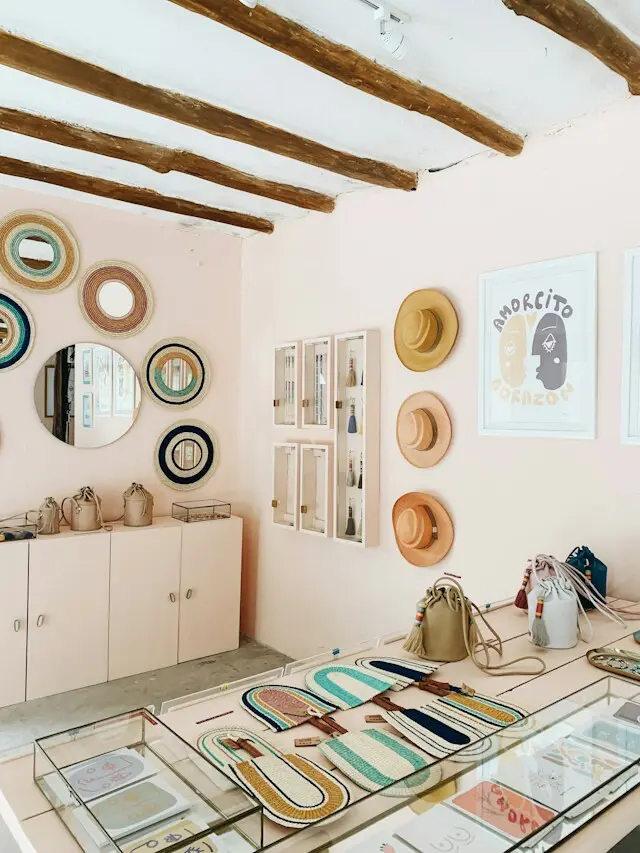
Refresh Your Store’s Visuals Regularly
A familiar storefront can easily fade into the background of a shopper’s routine. That sense of familiarity can dull curiosity, causing even loyal customers to overlook displays they feel they’ve already seen. A refreshed visual presentation signals that something new awaits inside. Updating your store’s window displays and featured sections immediately communicates change and relevance, prompting shoppers to take a second look.
These changes don’t require a full renovation. Small adjustments made every few weeks or months can maintain interest and encourage customers to return to see what has changed. For instance, reorganizing shelves and highlighting new products can create a sense of discovery. Strategic placement of bestsellers or new arrivals near the entrance can also draw attention right away. These subtle shifts help your store feel more dynamic and thoughtfully arranged, giving shoppers a reason to come back.
Remove Friction in Your Checkout Experience
Long lines, payment delays, or manual errors can leave a negative impression, even after a pleasant browsing experience. A smooth and efficient checkout process reinforces the sense that your store values customers’ time, and a modern point-of-sale (POS) system can help make that experience faster and more reliable.
Updated systems process transactions quickly and more accurately, which means shorter waiting times at the counter and reduced pricing mistakes. They also support a range of payment methods that many shoppers now expect. Take the Maya Terminal as an example. This card swipe machine is unlike what many small stores relied on in the past. Apart from accepting credit card and debit card payments, this modern POS device also accepts e-wallet and QR code transactions. With fewer payment limitations and quicker processing, customers can complete their purchases without unnecessary delays.
Hold In-Store Events
Shopping trips can often become a bit too routine, which can mean lower customer engagement. If most of your customers simply browse, make a purchase, and leave right away, there may be bigger opportunities lying in wait. Hold occasional special activities inside your space to break old patterns and give customers a reason to return beyond a simple purchase.
You don’t have to invent reasons either. For example, product launches and seasonal promotions can attract both regular shoppers and new visitors. For a more personalized touch, exclusive previews for loyal customers can make them feel valued, strengthening their connection to your brand.
Community-centered events can also strengthen emotional ties to your store. Events like styling sessions, product demonstrations, or collaborations with nearby businesses can bring people together in a relaxed setting. Through these shared experiences, customers can associate your store with memorable experiences, making them more likely to return and recommend your business to others.
Train Staff to Deliver Memorable, Positive Experiences
Personal interaction can also shape how customers perceive your store. Shoppers often remember how they were treated during a simple purchase, and a positive exchange can influence their decision to return. For your staff to deliver that experience, clear service standards and consistent training are required. These create alignment across your team and reduce inconsistencies in service.
Start by setting protocols that can guide everyday interactions at the sales floor and counter. These could include standard greeting lines, response time expectations for customer inquiries, and clear guidelines for offering assistance. Providing short product knowledge briefings before store hours keeps staff informed and confident, especially when new item
s arrive. To reinforce your standards, consider scheduling periodic role-play sessions to practice common customer scenarios.
Follow up on Customer Complaints Proactively
How your team handles customer complaints can determine whether a one-time buyer becomes a repeat customer. A delayed response or unresolved issue can discourage shoppers from returning. Meanwhile, prompt and thoughtful follow-ups show that your business takes concerns seriously, which can help repair trust.
Don’t wait for customers to bring things up before doing something. A proactive approach can prevent small issues from escalating into dissatisfaction. Reach out to customers who raise complaints, whether the concern was shared in person or through social media, and acknowledge the inconvenience clearly and respectfully. Leave a short message or call them to clarify what happened and offer a reasonable solution. Record common concerns and review them with your team. Patterns in complaints may point to training gaps or operational issues, and taking visible action to address these problems demonstrates accountability, which all your customers will appreciate.
Build Genuine Connections That Last Beyond the Sale
Customer loyalty is earned through consistent, thoughtful efforts that make each visit worthwhile. Customers return to stores where they feel valued and confident in the experience you have to offer. Thus, applying these tips with intention can help your store foster stronger connections that encourage priceless customer loyalty.