
Table of Contents
This is a collaborative post.
There is a time for everyone when they find themselves in a situation where an immigration application, paperwork for a court case, or academic documents for a foreign school require a translation, and they realize that it is not just any translation that will do. The governing body that is reviewing the file has specific requirements, and if the file is submitted in a different format or if the translation does not include the correct certification, then a process that took months to build can be stopped. Knowing how to locate trustworthy resources and what they can offer you is the type of useful information that can help you with a smooth submission and an entirely avoidable delay.
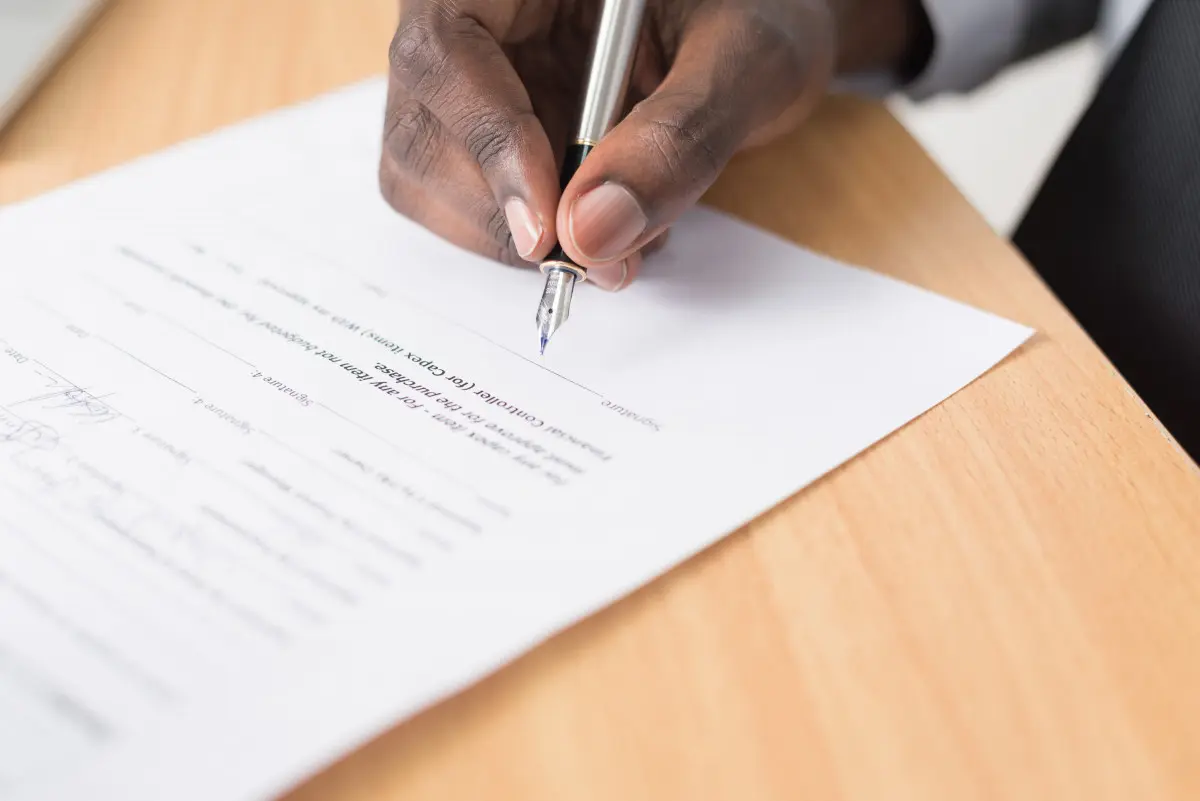
Understanding What Institutions Actually Require
Most of the time, in legal or official matters, the most common form of translation is certified translation, and the word has a specific meaning that is lost when people use it as a synonym for any type of professional translation. A certified translation is a translation of a document that is word-for-word and complete and signed by the translator with a Certificate of Translation Accuracy, a formal written statement that the translation is accurate and complete in all material respects. This certificate links the translation to a specific professional or service that will take direct responsibility for the translation; it is this responsibility that makes it acceptable to official bodies in the first place.
Informal translations do not have any verifiable accountability and are not required for institutions like U.S. Citizenship and Immigration Services (USCIS), state or federal courts, accredited universities, and various government agencies. Translation is an activity that can be performed by anyone, and the product is passed on; certification makes the product a legally credible record, linked to a named person or organisation.
Where to Find the Right Translation Resource
The most usable resources are of two types: independent certified translators and specialized online resources designed for official translation. The service, available at https://www.rapidtranslate.org/documents, with document submissions in over 60 languages, handles the entire process in one place: upload, certified translation, turnaround selection, and optional notarization or physical delivery: all formatted to meet the requirements for formal submission. The benefit is not just efficiency; it is that the workflow has been designed with the compliance needs of immigration authorities, courts, and educational institutions in mind, so that the certified output is in a format that is accepted by those institutions.
In more complex documents, such as multi-clause contracts, court affidavits, regulatory submissions, or any document where the nuances of jurisdiction and exact legal terms have a high value, it is usually better to work with an independent certified translator. The American Translators Association (ATA) in the United States and the Chartered Institute of Linguists (CIOL) in the United Kingdom certify translators with expertise in legal fields and professional responsibility for their services. With such a professional, one can ask questions, discuss any unclear language, and make adjustments as needed – something a standardized platform cannot do when it comes to truly complex content.
What a Properly Certified Translation Must Contain
The certified output must satisfy minimum structural requirements, whichever resource is used. The translation should contain all of the visible items in the source document, including the translation of the main text, headers, official stamps and seals, marginal notations, and handwritten annotations. Every such element should be reproduced in the translation with a note to show exactly where it is located in the original. The certificate itself should contain the translator’s signature, name, date of certification, and a written statement of accuracy. Any of these is enough to result in a formal rejection, even if it is something incidental and the translated text is correct.
The Completeness Problem That Trips Up Submissions
The most avoidable cause for rejection of official translations is incomplete documentation. Governing bodies and immigration authorities do not consider the translated text alone, but rather the whole visual record of the original text. If one or more watermarks are missing, or the marginal stamp is not translated, or a page isn’t in the submitted scan, the entire application may be invalid. It often comes down to how the source document was created, such as it being a low-resolution scan, cropped around the edges, or not including important pages.
To solve this, it’s important to take care of it before the translation begins. All pages of the original must be submitted, the document must not be cropped, and all physical markings (seals, signatures, official stamps, handwritten dates) must be legible in the file you submit. Elements that translators and platforms experienced in official document work are familiar with and can address systematically are only possible if they receive the necessary quality and completeness of documents.
Why Machine Translation Has No Place in Official Submissions
The use of free online translation resources and AI language apps is useful for everyday needs: understanding the overall meaning of a foreign notice, verifying terminology, or understanding a personal message in an unfamiliar language. For those uses, they are fine. However, they are not suitable for legal or official use, and the reasons are not just because of their lack of accuracy.
The main problem is that the machine output is not certifiable. There is no automated system that creates a signed Certificate of Translation Accuracy that is legally binding. The government authorities and courts demand accountability from humans for official translations, and a document that is said to be machine translated will be rejected, even if the words are translated correctly. If a document has a legal significance, such as in an immigration case, court filing, or government application, the resource you select must be capable of meeting institutional standards and not just providing readable text in seconds. This standard is set because there are serious consequences for inaccuracy in a legal context and there is no shortcut for it.