
Table of Contents
As our loved ones age, their comfort, happiness, and quality of life become significant considerations for their families. Many factors contribute to improving the living conditions and well-being of senior family members, including physical health, mental well-being, social engagement, and the right support systems.
Simple lifestyle changes and thoughtful planning can dramatically improve their day-to-day experiences for a more fulfilling life. Let’s explore various ways families can improve the quality of life for their senior members and create an environment that promotes happiness and health.
The Importance of Social Interaction
Older adults can feel isolated if mobility issues or health decline limit their social engagements. Regular interaction with family and friends can help mitigate feelings of loneliness and depression, giving seniors a sense of belonging and purpose. Organize regular family gatherings or outings tailored to the interests of your senior loved ones, making an effort to include them in conversations and activities.
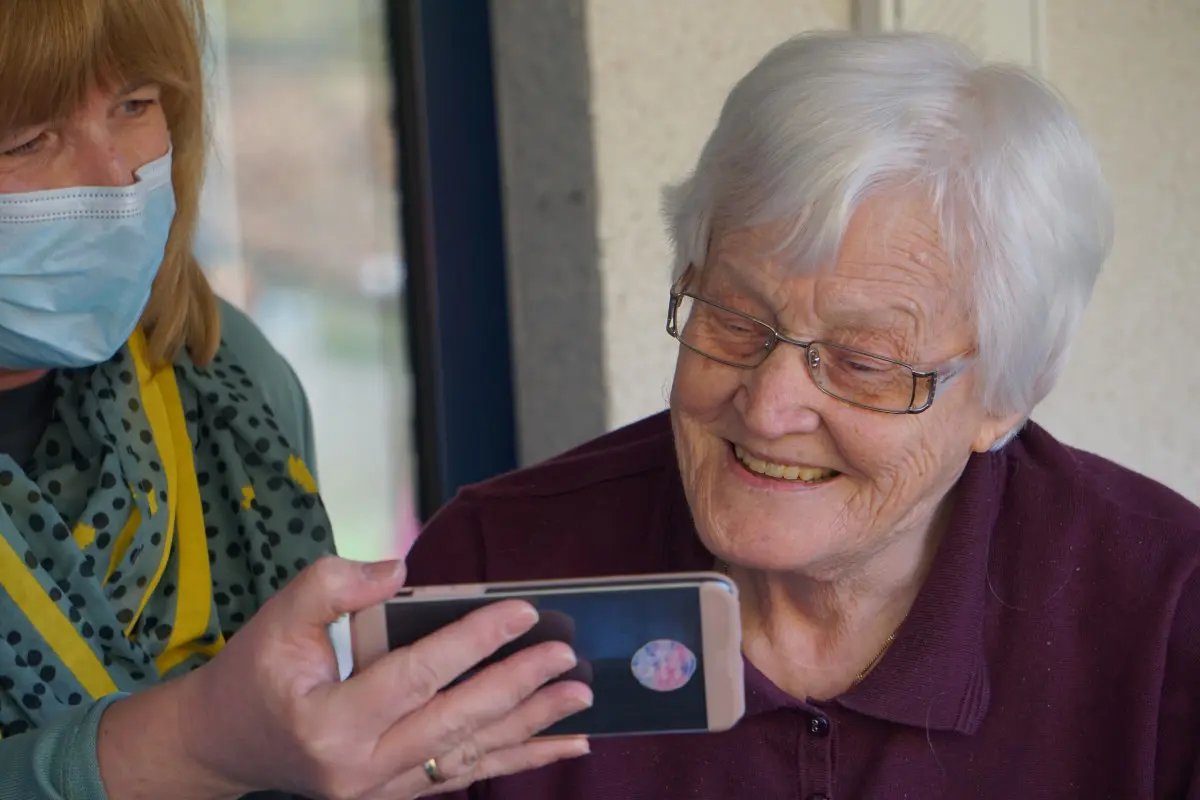
Technology can promote connections: video calls or group chats can keep them in touch with distant friends or family members. Regular socialization can inspire seniors to participate in various activities, thereby improving their quality of life. Keeping seniors socially active can lead to longer, healthier lives.
Encouraging Physical Activity
Encouraging them to engage in regular exercise can improve cardiovascular health and mobility, reduce the risk of chronic diseases, and create a positive mindset. Some resources highlight the health benefits of staying active as you age, and how even simple walking or gardening can make a difference. Tailor the activities to the interests and capabilities of your senior family member so that they remain engaged and motivated.
Participation in local community classes can provide additional social interaction. Gentle exercises such as yoga or Tai Chi focus on the mind-body connection, suitable for all fitness levels. Incorporating physical activity into daily routines can significantly improve their quality of life.
Nutrition and Healthy Eating Habits
As metabolism slows and nutritional needs change with age, promoting healthy eating habits becomes a priority. Encourage a diet rich in fruits, vegetables, whole grains, lean proteins, and healthy fats. Familiarize them with the concept of ‘my plate’ from the USDA in a way that each meal is balanced.
Home-cooked meals can allow family members to share recipes and cooking tips. Encouraging seniors to drink plenty of water can prevent a host of health issues. Collaborating on meal planning can empower seniors to make healthier choices and keep them involved in family meals. Recognizing any dietary restrictions and adjusting meals accordingly guarantees their nutritional needs are met without sacrificing flavor or enjoyment.
Engaging in Hobbies and Interests
Hobbies stimulate the brain, enabling seniors to remain mentally agile while providing them with long-term goals and projects. This could include anything from painting, gardening, or knitting to learning a new language or musical instrument. Finding what they love and supporting their engagement in those activities can lead to immense joy and accomplishment.
Take classes together or incorporate family activities around their interests. Involvement in community groups or clubs can present opportunities to meet others with similar interests and friendships. Sharing hobbies with family members further strengthens emotional bonds and creates shared experiences. Passionate engagement in hobbies keeps minds sharp and spirits high, providing fulfillment and happiness throughout the years.
Accessing Professional Support and Resources
Utilizing available resources guarantees comprehensive support for senior family members. Assess if they require additional assistance, from healthcare professionals to social workers, or home care aides. Employing the help of professionals can provide seniors with the necessary daily living assistance, freeing family members to focus on quality time together.
Research local resources, such as senior centers or community programs, that offer workshops, health screenings, or social events. Many organizations focus specifically on improving the well-being of seniors, providing physically and socially engaging activities. A better knowledge of current governmental benefits for healthcare can alleviate some financial burdens.
When seniors feel supported by professional resources, they experience an increased quality of life, as they thrive knowing a safety net is in place. Connecting with professional support highlights a collaborative effort in promoting senior health and happiness.
Establishing a Safe Living Environment
Senior family members must reside in a safe and comfortable environment to improve their quality of life. Examine their living space for potentially hazardous areas such as stairs, loose rugs, or inadequate lighting. Making home modifications can reduce the risk of falls, a leading cause of injuries among older adults.
Installing grab bars in the bathroom, non-slip mats in the kitchen, and adequate lighting in hallways can help create a safer atmosphere. Regular maintenance of electrical or plumbing systems can prevent potential emergencies. Involve senior family members in discussions about their living environment, as their unique insights will allow for mutually agreeable modifications. A safe living environment contributes to better physical health.
Open Communication and Family Involvement
Open lines of communication within the family must understand the needs and concerns of senior members. Frequent conversations about their feelings, preferences, and any difficulties they may be facing provide insight into improving their quality of life. Encourage family members to express their thoughts openly, promoting a spirit of collaboration and respect.
Seniors feel heard cultivates trust and strengthens family bonds. Regular family discussions could address necessary adjustments or any fears that may arise as they age. Providing an avenue for discussion eliminates potential frustration so that they are genuinely cared for.
Engaging family members in decision-making about their daily lives, health, and social activities encourages transparency and supports mental well-being. Creating a family dynamic that emphasizes empathy and understanding will emotionally enrich the lives of your senior loved ones.
Celebrating Milestones and Achievements
Celebrating the achievements and milestones of senior family members helps affirm their value within the family structure. Acknowledge birthdays, anniversaries, or personal accomplishments, making sure these events are cherished and commemorated. Small gestures, like surprise parties or heartfelt cards, remind them of their importance to the family.
You could create a scrapbook or photo album that reflects their life journey with meaningful moments and family connections. These celebrations give seniors opportunities for social gatherings and participation in family traditions, which improves their sense of belonging and significance.

Promoting the quality of life for our senior family members requires thoughtful approaches that encompass various facets of living. With these tips in mind, families can create a supportive atmosphere. Involving them in hobbies, utilizing professional resources, and maintaining open communication promotes emotional health. Celebrating their milestones reinforces their sense of belonging and importance.