
Table of Contents
This is a collaborative post.
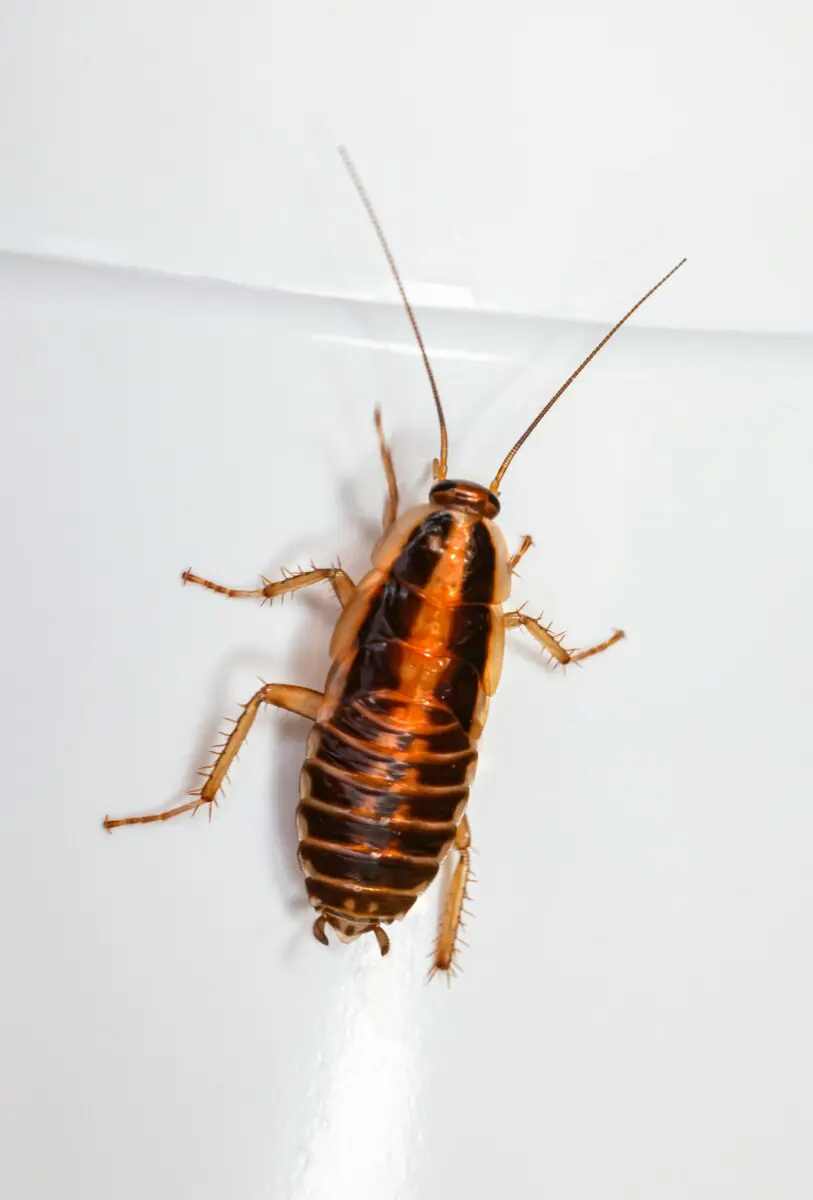
Roaches in the cupboards? Disgusting. Fleas in the carpet? Worse. And while you’re probably quick to reach for whatever gets the job done, the truth is, most chemical treatments do more than just kill bugs. They’re dangerous, and they hang around long after the treatment. And if you’ve got kids, pets, or anyone with asthma or skin sensitivities at home, that is a very real health risk.
As a reader of our blog, you probably already know that pesticides are designed to be toxic. That’s their job. But that toxicity doesn’t always stay neatly confined to the insect world. In fact, some of the same neurotoxic ingredients used to kill ants have been linked to developmental delays in children and hormone disruption in pets. The EWG and other public health organizations have raised red flags about this for years, and it’s not just theoretical. Residue from indoor pesticide use can stick to household surfaces for weeks (sometimes longer), according to studies.
So where does that leave you if you still want your home pest-free?
Why Green Pest Control Is Healthier
Green” and “eco-friendly” get thrown a lot, sometimes without any merit, but when it comes to pest control, this is not just a label slapped on a milder spray.
True eco-conscious pest management focuses less on bombarding your home with toxins and more on strategy: preventing infestations in the first place, using targeted treatments only when needed, and leaning on naturally-derived ingredients that don’t stick around to cause trouble later.
Some of the terms you’ll see:
- Botanical-based: Ingredients like thyme oil or geraniol (found in plants) that repel or disrupt pests,
- Reduced-risk pesticides: Registered with the EPA, these tend to break down quickly and pose lower health risks,
- Physical controls: Barriers, sealing entry points, or using substances like diatomaceous earth to cut into insect exoskeletons—no chemistry involved.
Traditional treatments, on the other hand, use synthetic chemicals designed to destroy pests’ nervous systems. This makes them highly effective at their job, sure, but also very dangerous. They’ve been linked to respiratory irritation, skin reactions, hormone disruption, and in some cases, long-term developmental issues in children. For example, research has even linked early pesticide exposure to increased behavioral disorders in kids with developing brains.
What Makes Green Pest Control Actually “Green”?
Let’s demystify the language first. When a pest control solution is labeled green, non-toxic, natural, or eco-friendly, it doesn’t always mean the same thing. Some are marketing terms. Others are backed by certifications (like EPA’s Safer Choice or OMRI for organic products). The key differences usually boil down to three things:
- Origin of Ingredients: Are the active compounds synthetic or plant/mineral-based?
- Mode of Action: Do they kill indiscriminately, or target pests in biologically specific ways?
- Environmental Persistence: How long do residues stick around? Will they contaminate soil, water, or air over time?
For instance, essential oil-based sprays that use active ingredients like thyme oil or rosemary oil would be considered green. These are natural but scientifically proven repellents that break down quickly after doing their job. Diatomaceous earth, on the other hand, is a natural powder that slices into the exoskeletons of insects. So there are no chemicals involved, just physical disruption.
Now, what if you don’t have time to play home scientist but still want a plan that’s both thorough and safe? In that case, you want to look for experts who specialize in safer treatments. For example, Axiom Pest Control offers customized green pest control plans that utilize eco-certified materials
Professionals using these types of treatments often incorporate multiple control strategies, like baits that are sealed away from kids and pets, targeted dusting in cracks and crevices, and follow-up inspections instead of high-dose chemicals. Axiom is just one example, but there are lots of other eco pest control options out there.
The Benefits of Green Alternatives for Families and Pets
So what do you actually gain by choosing green over conventional methods? Beyond the obvious (fewer toxins in your home), there’s a practical side:
- Peace of Mind: No need to board your pets or evacuate your house after a treatment.
- Fewer Side Effects: No headaches, skin irritations, or weird lingering smells.
- Long-Term Effectiveness: Many green solutions focus on prevention so you deal with fewer infestations over time.
- Environmental Responsibility: Runoff pesticides end up in streams, soil, and wildlife systems. Green methods reduce that impact significantly.
Plus, you’re not trading efficacy for safety. Many botanical-based products perform nearly as well as synthetics, especially when used as part of an integrated system.
What to Look for When Choosing a Green Pest Control Service
Okay, but how do you know a company is actually safe? We recommend looking for options that:
- Explain exactly what products they’re using (including active ingredients)
- Offer alternatives to spraying (like sealing, traps, or habitat changes)
- Use certified materials (EPA Safer Choice, OMRI, or GreenPro Certified)
- Tailor treatments to your home’s layout and needs, not just offer a generic package
Also, consider companies that do follow-up visits and monitor over time. After all, green pest control isn’t about killing everything fast (that’s how traditional strategies work), but about keeping your space inhospitable to pests permanently.