
Table of Contents
This is a collaborative post.
The ubiquitous nature of cockroaches has led to their wide-ranging infamy. These small but highly adaptable common pests tirelessly infiltrate residential and commercial environments, proving to be an enduring nuisance. Irrespective of season, cockroaches persist; their resistance to fluctuating weather patterns and varying ecosystems makes their year-round presence quite the conundrum.
Unravelling the complexity of their lifecycle, habits, and survival traits is paramount for effective pest control. Knowledge of their biology helps develop methods that can control their infestation in the long term rather than just temporarily dislodge them.
The problem is further complicated by the health risks they pose. These resilient beings are significant carriers of allergens and infectious pathogens that can cause many health complications. They’re not just an annoyance – their environmental and health implications are profound, so their presence in human environments needs urgent attention.
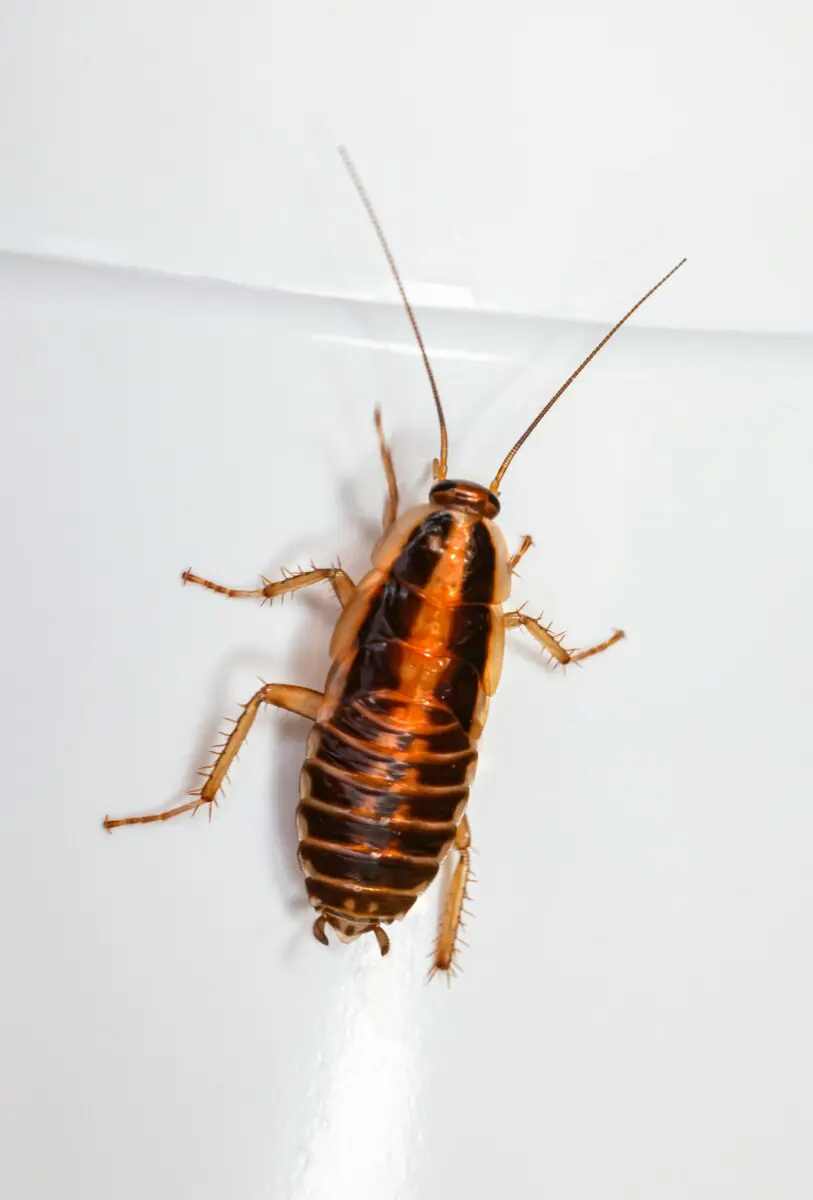
The Cockroach Lifecycle: Why They Persist Year-Round
The relentless presence of cockroaches, despite severe control efforts, is typically attributed to their intricate lifecycle and exceptional adaptability. Cockroaches undergo three critical stages: egg, nymph, and adult. The ability to transition from one stage to another in various environments ensures their survival and steadies their proliferation.
Female cockroaches produce egg cases, also known as oothecae. Each ootheca contains multiple eggs, ensuring a successive generation of cockroaches. Once the eggs hatch into nymphs, these immature cockroaches seek food and shelter aggressively. Depending on the species, the full lifecycle, from egg to adult, can be completed in as little as a month, which indicates a swift and steady growth in population. This rapid rate of reproduction creates unfaltering infestations around the year.
Indeed, cockroaches have gained notoriety for their adaptability. While they predominantly prefer warmth and humidity, they’ve also displayed a remarkable ability to adjust to cooler climates. Certain species have even evolved the capability to slow their metabolic rate, thereby enhancing their survival even in harsher climates. Their diverse diet and minimal water requirements contribute to their resilience. Feeding on a sweeping range of food materials and requiring negligible amounts of water ensures that they can survive and thrive under most circumstances.
Environmental Factors Contributing to Year-Round Infestations
Environmental factors significantly influence the behavioural trends of cockroaches and, in turn, their population growth. As the weather warms up, cockroaches spread out, hunting for fresh food and water sources. However, the arrival of cooler weather sends them scurrying to favour indoor locations where they seek warmth and shelter.
Regrettably, human settings and activities provide prime conditions for cockroach infestations. Urban and suburban areas generate high quantities of food waste and water leaks. These elements, combined with a plethora of potential hiding spots in our homes and commercial centres, provide an ideal environment for these pests to establish their colonies. It’s no surprise that indoor pests like cockroaches are so commonly found in kitchens, bathrooms, and utility areas—spaces that offer both shelter and sustenance throughout the year.
Furthermore, the gradual warming caused by climate change and the subsequent changes in weather patterns contribute to increased survival and proliferation of cockroach populations.
Moisture levels and humidity play an instrumental role in attracting and sustaining cockroach populations. Cockroaches prefer humid environments and are frequently found in damp areas of homes and workplaces, such as basements, pipes and bathrooms.
Common Myths and Misconceptions About Cockroach Infestations
An accurate understanding of cockroach infestations is often hindered by mistaken beliefs and misconceptions. A prevalent myth is that cockroaches inhabit only unclean spaces. The reality, however, is that even the cleanest of households can unknowingly provide adequate nourishment for these creatures, resulting in an infestation.
Another widespread misunderstanding is that cockroaches have developed immunity to most conventional pest control methods. While it is true that they have evolved a high level of resistance to certain chemicals and pesticides, their seeming immunity is often due to ineffective or mishandled pest control practices.
There’s also a misconception of correlating the sighting of cockroaches to the level of infestation. Seeing a single cockroach may not necessarily imply an outbreak, but it’s often a strong indicator of a larger, unseen population. They are known to thrive in dark, concealed locations and only come out when the population has expanded and they are searching for food. Finally, some rely entirely on DIY pest control methods, underestimating the complex nature of these pests. While some home remedies and over-the-counter treatments can provide temporary relief, integrated and professional approaches are required for long-term control.
Effective Strategies for Year-Round Cockroach Management
Managing a cockroach infestation requires consistent vigilance and the employment of a variety of pest control strategies. Keeping an eye on early warning signs through regular inspections and monitoring is the first step. Feces, egg cases, and moulted exoskeletons can be an early alert of an underlying infestation.
The technique of Integrated Pest Management (IPM) takes a holistic approach, combining biological, cultural, physical, and chemical tools to address pest problems. The structured approach of IPM targets all potential breeding grounds, reducing dependency on any single method, proving to be a sustainable and eco-friendly option.
The expertise and experience offered by professional pest control services are indispensable in dealing with infestations. They identify the root of the problem, implement tailored action plans that suit the unique requirements of individual sites, and ensure efficient and lasting solutions.
Preventative measures, once implemented, undoubtedly need to be maintained year-round. Actions, such as thorough cleaning, fixing leaking taps, and sealing possible entrance points, can significantly mitigate the risk of an infestation.
Health Risks and How to Minimise Them Amidst a Cockroach Infestation
Cockroaches are often carriers of significant health hazards. These irritants can cause allergies and asthma attacks, especially in children and individuals with respiratory complications. They harbour several bacteria, such as E. coli and Salmonella, that can result in a range of illnesses, including food poisoning and diarrhoea.
Minimising these health risks starts with maintaining high levels of cleanliness and sanitation. Frequent cleaning, specifically of kitchen areas, and placing traps or baits in strategic locations can deter the pests from dwelling and breeding in residential places.
Safeguarding vulnerable family members, particularly children and the elderly, from possible exposure to these pests is imperative. Using airtight containers for food storage and promptly discarding trash will significantly restrict the food access for these pests.
Standing up to the Cockroach Challenge
Cockroaches indeed pose a challenging foe, posing both health risks and causing significant distress. Their resilience and adaptability outline the importance of comprehensive measures that focus on understanding their lifecycle, habits, and environmental influences as the first step in managing the pervasive problem they pose.
Only through a combination of proactive measures, greater awareness, and professional help can we effectively address and control their population in our living spaces. Should an infestation persist or seems to be getting out of hand, it is always recommended to seek expert advice. Inculcating a holistic approach that focuses on ecological balance is essential to manage cockroaches in the long term while also ensuring we inhabit a healthy, pest-free environment.