
Table of Contents
This is a collaborative post.
Water activities and water sports are great fun and they will help you to stay fit and mindful, connecting with nature. With countless options available—ranging from paddleboarding to adrenaline-pumping adventures like jet skiing—it is a big question that remains: which one to choose? This guide will help you choose the perfect water activity or water sport going by your interests, fitness and skill level, and goals.
Ask Yourself What Are Your Interests And Goals?
Start by identifying what you hope to gain from your water activities perth experience. Getting fitter, the adventure of it, or maybe a social outing? Understanding your objectives will help you to narrow your options down a little bit.
- For the least sporty: Activities like kayaking, paddleboarding, or snorkeling will help you to get outside and to enjoy the water and nature.
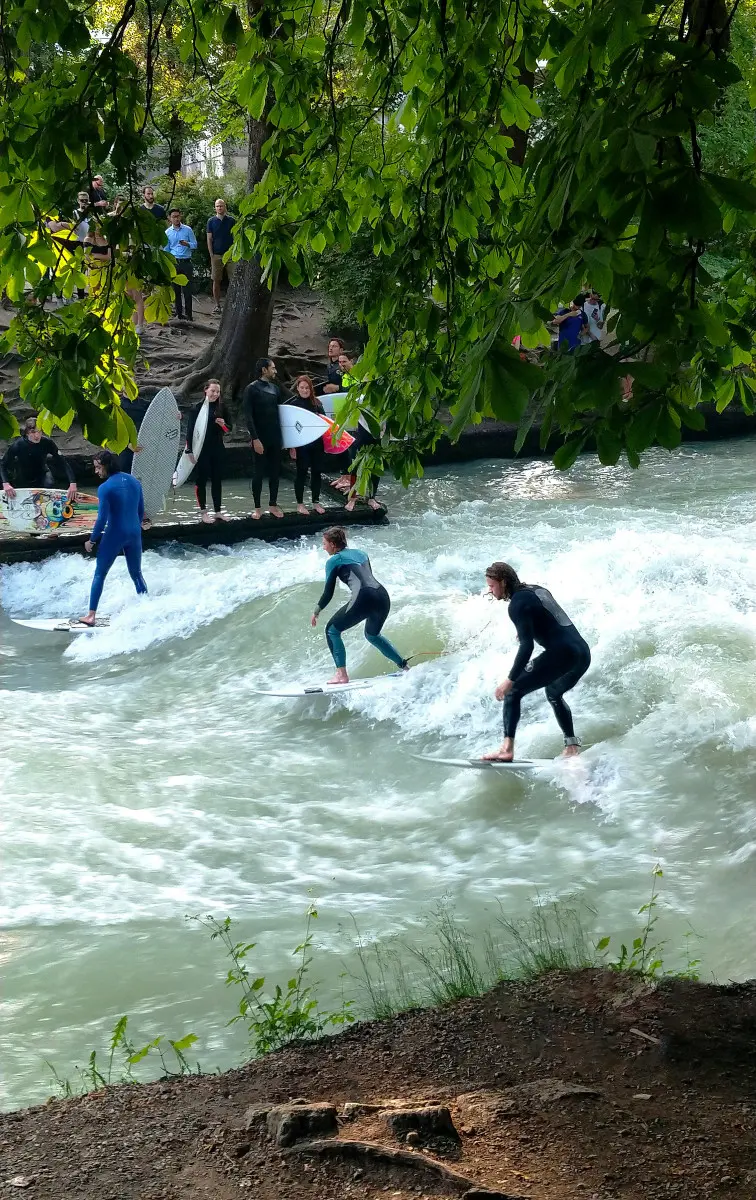
- For fitness: Swimming, surfing, and rowing are excellent choices for building strength and endurance.
- For adventure: Jet skiing, scuba diving, and white-water rafting are perfect for thrill-seekers.
- For social interaction: Group activities like sailing, water polo, or group snorkeling tours can be a fun times spent with friends, family or a corporate outing.
Weigh Up Your Skill and Fitness Level
Your experience and comfort in the water need to be taken into account when choosing a water activity or water sport. Some activities, like swimming or snorkeling, require basic skills, while others, like kiteboarding or scuba diving, may need specialized training.
Beginners
- Low-risk activities such as paddleboarding, tubing, or canoeing.
- Look for training sessions or beginner-friendly classes if you’re unfamiliar with an activity.
Intermediate
- If you have some experience, you can also consider activities like kayaking on mild rivers, surfing easy waves, or snorkeling.
- Choose activities that challenge your skills but without being overwhelming for you.
Advanced
- For seasoned adventurers, activities like wakeboarding, deep-sea diving, or windsurfing can provide the excitement and skill challenge you seek.
Accessibility and Location
The availability of water activities depends largely on your location. For instance, coastal areas offer opportunities for surfing and scuba diving, while lakes and rivers are ideal for kayaking, canoeing, and paddleboarding.
Consider these factors:
- Local Options: Research what’s available in your area to make the most of nearby resources.
- Travel Requirements: If a specific activity isn’t locally available, consider whether you’re willing to travel.
- Seasonality: Some water activities are seasonal, so ensure the timing aligns with your plans.
Factor in Physical Requirements
Water activities can range from leisurely to physically demanding. Choose an activity that matches your fitness level and abilities:
- Low Impact: Activities like paddleboarding, snorkeling, and fishing are suitable for people of all ages and fitness levels.
- Moderate Impact: Swimming, kayaking, and surfing provide a balanced mix of exertion and fun.
- High Impact: Activities like white-water rafting, wakeboarding, and scuba diving may require more stamina and strength.
Safety First
Safety is paramount when participating in water activities. Here are some key considerations:
- Skill Assessment: Be honest about your abilities and choose activities within your comfort zone.
- Equipment: Ensure you have access to quality safety gear, such as life jackets, helmets, or wetsuits.
- Training: Take lessons or safety briefings, especially for high-risk activities like scuba diving or windsurfing.
- Supervision: Choose guided activities if you’re new to water sports or unfamiliar with the location.
Budget (They All Cost Money!)
Water activities vary widely in cost. Some, like swimming at a local pool, are affordable, while others, like scuba diving, can be more expensive due to specialized equipment and training. Consider your budget when deciding:
- Low-Cost Options: Swimming, fishing, or paddleboarding can be done with minimal investment.
- Mid-Range Options: Renting kayaks, taking surfing lessons, or joining snorkeling tours.
- High-Cost Options: Scuba diving, sailing, or chartering a boat may require a more significant financial commitment.
Try Out Before Committing
If you’re unsure about a particular activity, try it on a trial basis before fully committing. Many organizations offer introductory classes or equipment rentals to let you test the waters.