
Table of Contents
This is a collaborative post.
Embarking on an arctic tour is a transformative journey into one of Earth’s last pristine wildernesses. Covering one-sixth of our planet’s surface, the Arctic region remains home to just four million people, making it an ideal escape from the modern world’s constant connectivity. This vast polar realm offers travelers an opportunity to truly disconnect, reset, and rediscover their place in the natural world. From the ethereal Northern Lights to close encounters with polar bears, five premier destinations stand out for adventurous souls: Greenland, Spitsbergen, the North Pole, the Northwest Passage, and the Arctic Watch Wilderness Lodge.
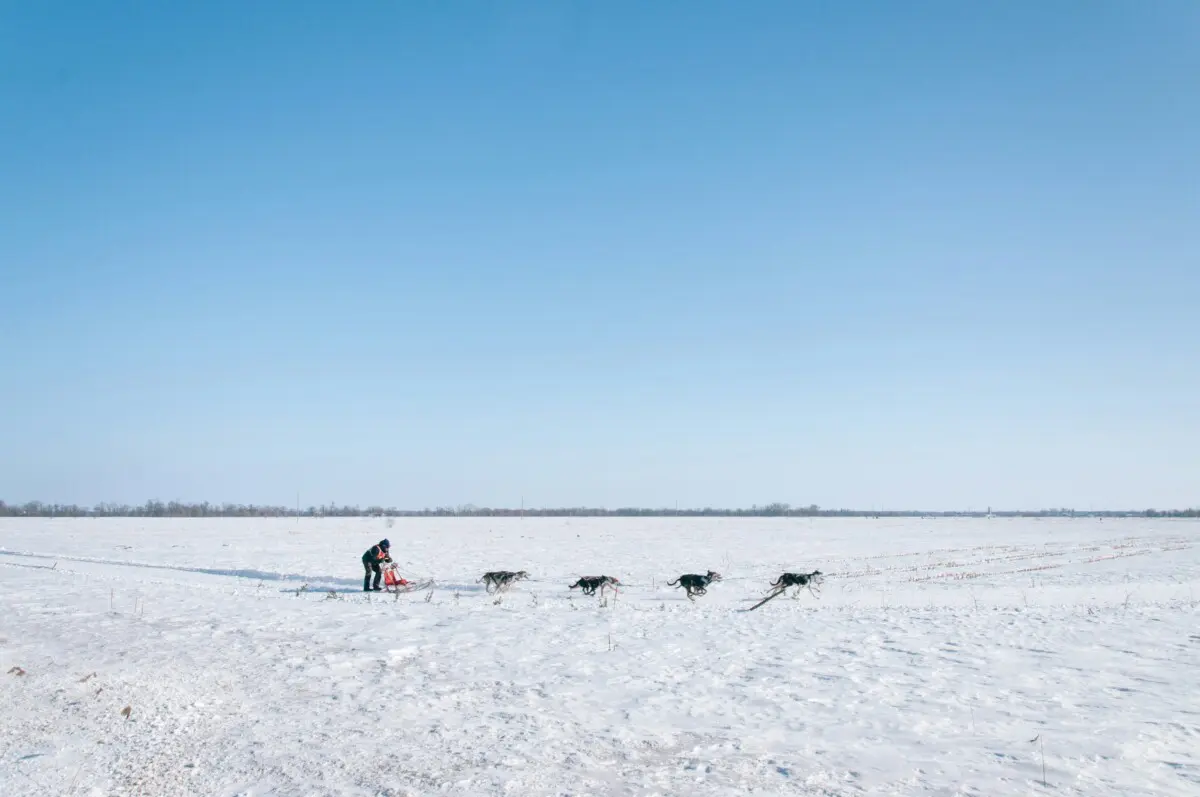
Planning your perfect Arctic expedition
The prospect of planning an Arctic adventure can feel overwhelming, whether you’re a first-time visitor or returning for your twentieth expedition. The key to success lies in addressing three fundamental questions before embarking on your journey. First, consider what experiences you want to prioritize – wildlife photography, cultural immersion, or active adventures? Second, determine your ideal timing and destination based on these priorities. Finally, tackle the logistics of reaching your chosen Arctic location.
Many travelers find themselves excited yet uncertain about where to begin. This is perfectly normal, as Arctic travel requires careful consideration of multiple factors. The region’s seasonal changes dramatically affect wildlife viewing opportunities, accessibility, and available activities. Understanding these patterns helps ensure your expedition aligns with your expectations.
What can I see and do in the Arctic?
The Arctic offers an incredible diversity of experiences, each destination providing its own unique highlights. Spitsbergen, part of the Svalbard archipelago, stands as the premium destination for wildlife enthusiasts, offering unparalleled opportunities to observe polar bears, walrus, whales, and seabird colonies in their natural habitat.
For those drawn to celestial spectacles, Greenland’s late-season tours (September to early October) provide optimal conditions for viewing the mesmerizing Northern Lights against increasingly dark skies. The Northwest Passage beckons cultural explorers with its rich Inuit heritage and dramatic landscapes, including the spectacular Sam Ford Fjord.
Adventure seekers find their paradise at Arctic Watch Wilderness Lodge, where activities range from fat biking to kayaking. Meanwhile, the North Pole represents the ultimate bucket-list achievement, offering the rare opportunity to stand at 90 degrees north, where all lines of longitude converge.
What can I see and do in these different areas of the Arctic?
Greenland
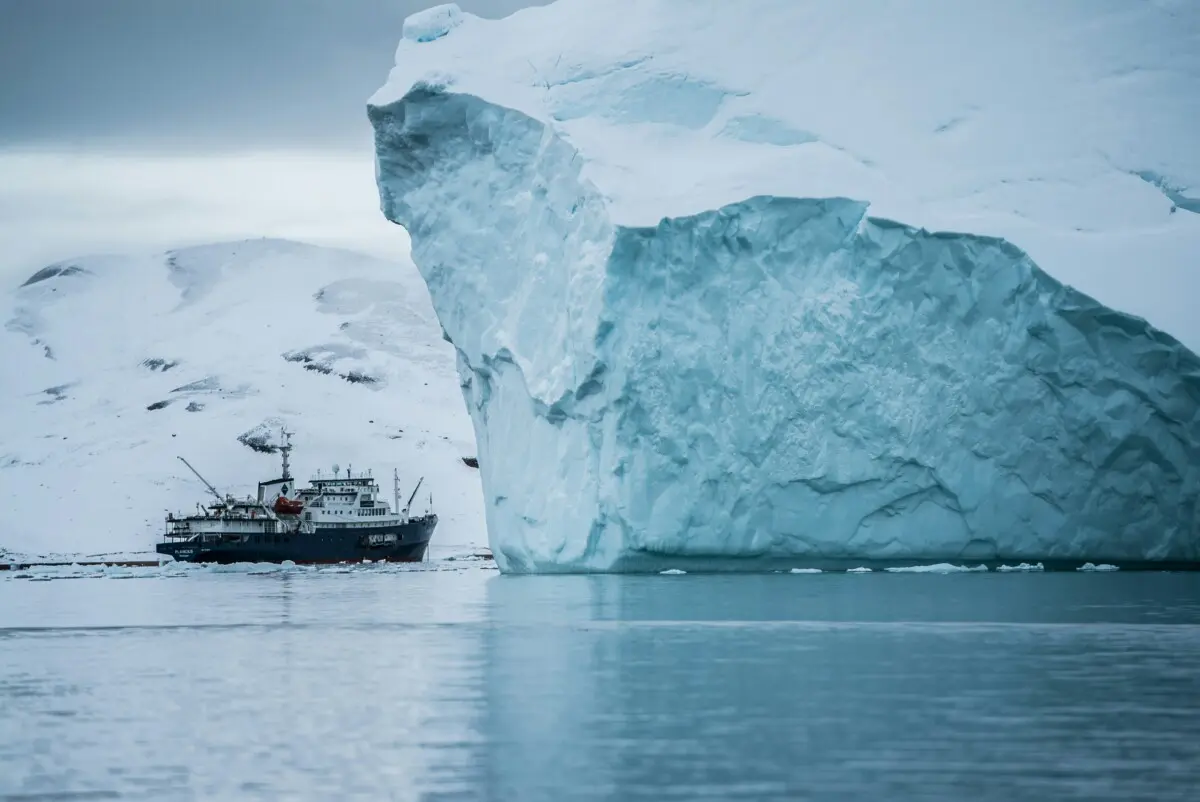
Greenland’s massive fjords create an otherworldly setting for expedition cruising. Here, apartment-sized icebergs drift silently through crystal-clear waters, while curious seals investigate passing kayakers. The best time to visit falls between August and October, with later months offering prime Northern Lights viewing opportunities. The region perfectly combines natural wonders with authentic Inuit cultural experiences, allowing visitors to explore both the physical and cultural landscapes of the Arctic.
Spitsbergen
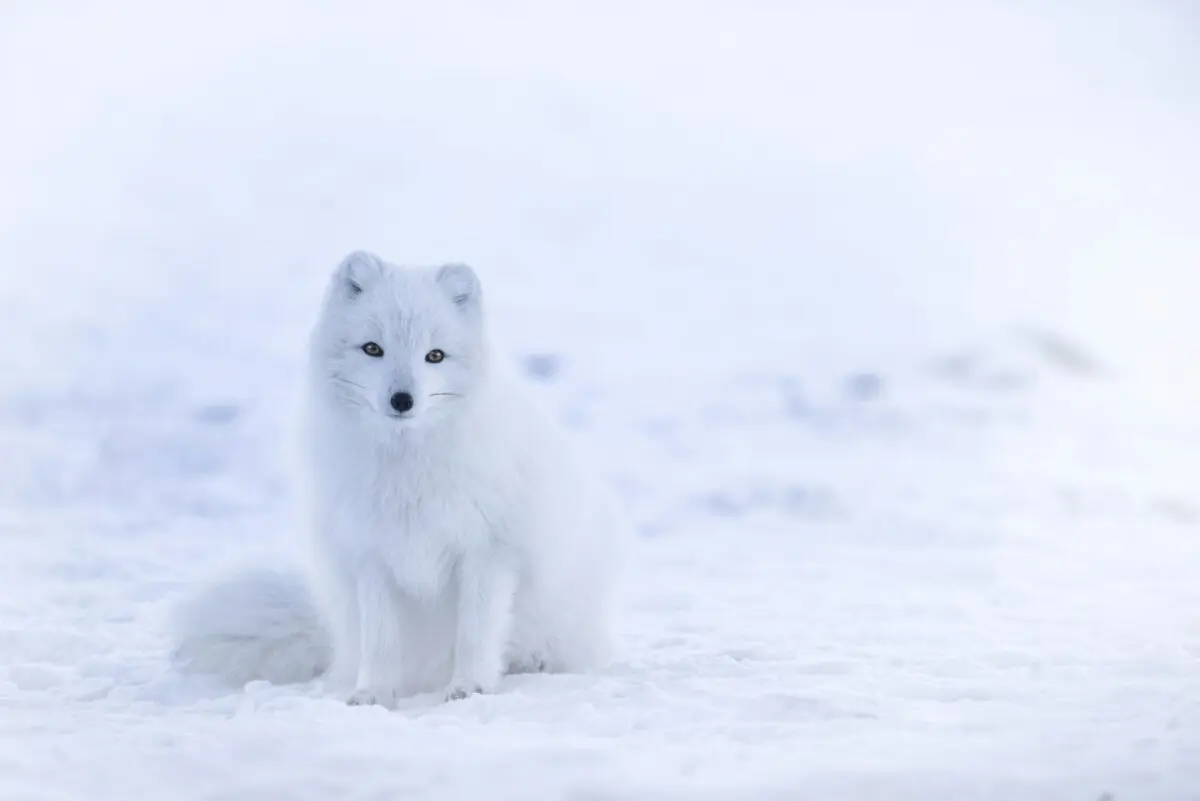
As the wildlife capital of the Arctic, Spitsbergen offers the most reliable opportunities for polar bear sightings, especially during June and July when sea ice conditions are optimal. This Norwegian territory, part of the Svalbard archipelago, hosts an impressive array of Arctic species including walrus, whales, seabird colonies, reindeer, and arctic foxes. The landscape itself provides a dramatic backdrop for wildlife photography, with towering glaciers and pristine polar desert.
Northwest Passage
Following the historic routes of legendary explorers, the Northwest Passage combines high adventure with rich cultural heritage. Late August and September visitors can explore remote communities, witness diverse wildlife including muskoxen and wolves, and experience the colorful autumn tundra. The passage offers opportunities to visit significant sites like Beechey Island while learning about both historical expeditions and contemporary Inuit life.
North Pole
Reaching the geographic North Pole aboard a powerful nuclear icebreaker represents the pinnacle of polar exploration. June and July expeditions offer unique experiences including hot air balloon rides over the ice, polar bear spotting, and the rare opportunity to stand at the top of the world. The midnight sun creates surreal lighting conditions, perfect for photography and extended observation of Arctic wildlife.
Arctic Watch Wilderness Lodge
This land-based expedition base provides the most diverse range of active adventures in the Arctic. From late June to mid-August, visitors can fat bike across the tundra, ATV through dramatic landscapes, and observe wildlife including arctic foxes, muskoxen, and thousands of beluga whales. The lodge offers a perfect balance of comfort and wilderness immersion, making it ideal for active families and adventure seekers.
Arctic Climate and Weather Phenomena
Understanding Arctic weather patterns and phenomena is crucial for both safety and appreciation of this unique environment:
Distinctive Weather Patterns
Summer Conditions
- Midnight sun phenomenon
- Temperature fluctuations (0°C to 15°C)
- Fog formation patterns
- Wind dynamics
- Precipitation characteristics
Atmospheric Phenomena
- Sun dogs (parhelia)
- Light pillars
- Arctic mirages
- Noctilucent clouds
- Corona effects
Microclimate Zones
Coastal Areas
- Sea ice influence
- Temperature moderation
- Fog frequency
- Wind pattern
- Precipitation variations
Inland Regions
- Temperature extremes
- Valley weather systems
- Mountain effects
- Vegetation impacts
- Permafrost influence
-
Weather Impact on Activities
Activity Planning
- Optimal viewing conditions
- Safety parameters
- Equipment requirements
- Alternative schedules
- Emergency protocols
Photography Considerations
- Light conditions
- Atmospheric clarity
- Time of day effects
- Special phenomena
- Equipment protection
-
This understanding of Arctic weather not only enhances safety but also allows visitors to better appreciate and photograph the unique atmospheric phenomena that make the Arctic such a remarkable destination. Weather patterns directly influence wildlife behaviour, creating a complex interplay between climate and ecosystem that visitors can observe firsthand.
Wait, how do I get there?
Gateway cities and embarkation points vary by destination, with detailed information available through expedition operators. Each route offers unique advantages and considerations for travellers.
Ready to start planning your Arctic expedition?
With over two decades of polar travel expertise available through leading operators, your Arctic adventure can be both ambitious and achievable. Whether you’re drawn to Greenland’s towering fjords, Spitsbergen’s abundant wildlife, or the ultimate achievement of reaching the North Pole, professional expedition teams ensure every detail is managed with precision. Explore virtual tours, detailed guides, and firsthand accounts to better understand each destination’s unique character and choose the perfect Arctic adventure for your interests.
Did you enjoy reading this post? Why not read my article about Iceland or sustainable travel in Japan?